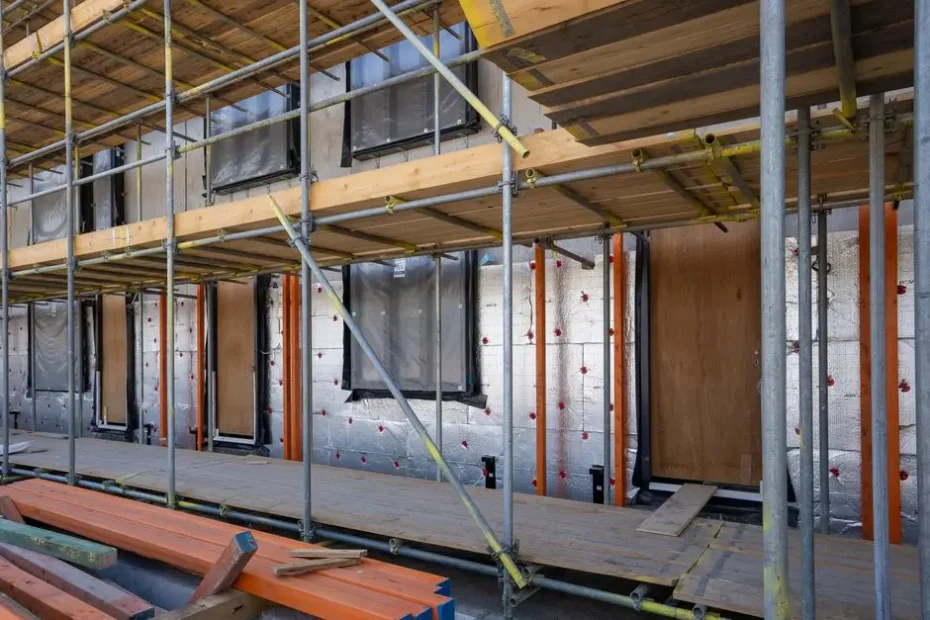
In an era where sustainability is more essential than ever, improving your home’s insulation can significantly reduce energy consumption and lower utility bills. Discover the twelve innovative insulation solutions that not only make your home more energy-efficient but also do wonders for the environment. Let’s explore these practical, eco-friendly options together!
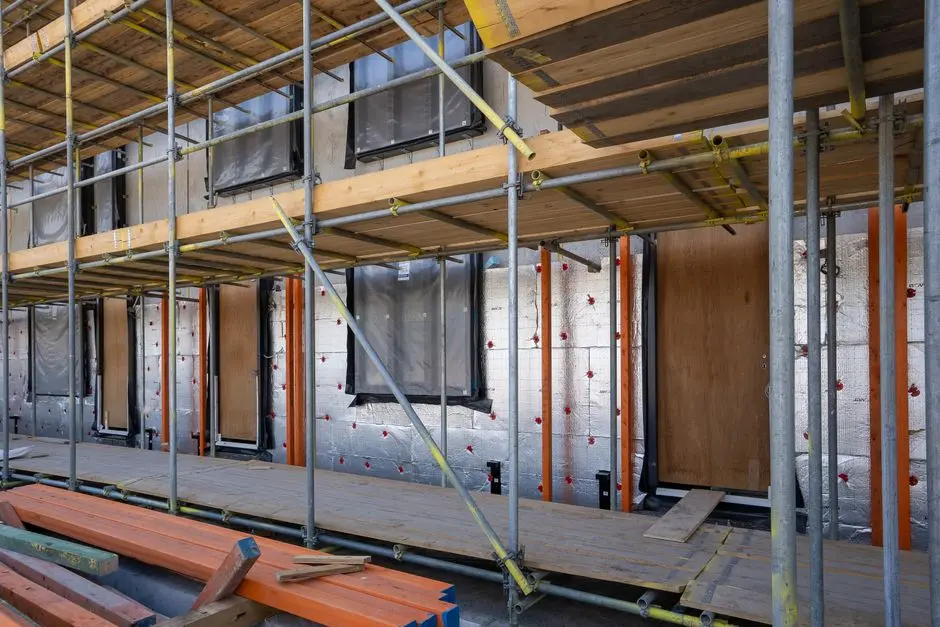
1. The Benefits of Insulation for Your Home
Understanding the fundamental advantages of insulation allows homeowners to make better choices. Insulation not only keeps your home comfortable but it also minimizes energy waste. One of the most impressive benefits is the reduction in heating and cooling costs, which can amount to a significant savings over time. More importantly, better insulation contributes to a decreased reliance on fossil fuels, fostering a lighter ecological footprint.
But the benefits don’t end there. Quality insulation can also enhance indoor air quality by preventing moisture accumulation, which can lead to mold and other unhealthy conditions. Furthermore, certain insulation materials act as sound barriers, providing a quieter home environment. With all these advantages, investing in insulation is not merely a home improvement; it is a conscientious step toward environmental stewardship.
2. Spray Foam Insulation: A Modern Marvel
Spray foam insulation is a fantastic solution that expands on application, sealing gaps and providing superior thermal performance. It’s particularly effective in irregular spaces where other forms of insulation might fall short. Understanding its benefits and potential applications in your home can be a game-changer when it comes to energy efficiency.
In addition to its insulating properties, spray foam helps guard against air leaks and moisture infiltration, creating a more stable indoor climate. This powerful material is also resistant to mold and pests, adding another layer of protection for your living space. It’s essential, however, to hire a professional for installation to ensure it achieves optimal performance and safety.
3. Cellulose Insulation: The Eco-Friendly Choice
Made from recycled paper products, cellulose insulation stands out as a sustainable and highly effective option for eco-conscious homeowners. Its manufacturing process not only reduces waste but also ensures excellent thermal resistance, helping to keep your home cozy during the winter and cool in the summer. Discover how cellulose insulation can help reduce your carbon footprint while maintaining comfort.
Moreover, cellulose is treated with a fire retardant, making it a safe choice for residential use. Its dense structure also offers superior soundproofing qualities, enhancing the tranquility of your home. Given these benefits, it’s no wonder that cellulose is gaining popularity among those looking to insulate their homes in an environmentally responsible way.
4. Fiberglass Insulation: A Time-Tested Solution
Fiberglass insulation has been a staple in homes for decades and continues to be a reliable choice for many homeowners. Its effectiveness is well-documented, and it is available in various forms, including batts, rolls, and loose-fill, making it a versatile option for different applications. Explore its benefits, proper installation techniques, and why it remains a popular choice among homeowners.
One of the key advantages of fiberglass is its affordability, along with its exceptional thermal performance. Additionally, it does not support mold growth, making it a safe insulation material. However, installation should be approached with care, as fiberglass can irritate the skin and lungs. With care in installation, fiberglass can definitely be part of achieving a more energy-efficient home.
5. Reflective or Radiant Barrier Insulation
Reflective insulation is designed to keep your home cooler by reflecting radiant heat away from living spaces. Often installed in attics, these barriers work best in warmer climates where they can significantly reduce cooling costs. Learn when and where to use these barriers effectively, and how they can complement other insulation types.
With rising temperatures becoming a common concern, radiant barrier insulation stands out as a valuable addition to any energy-efficient home. It’s worth considering as a part of a whole-home insulation strategy, especially if you’re striving for improved energy savings and comfort.
6. Mineral Wool: Fire-Resistant Insulation
Mineral wool insulation is known for its fire resistance and soundproofing qualities. Made from natural or recycled materials, this type of insulation does an excellent job of maintaining temperature control while also providing superior fire safety. Understanding its advantages and where it can be best applied in your home may just lead you to rethink your insulation options.
Above all, mineral wool permits excellent airflow, which can prevent moisture buildup. This feature helps ensure that your home remains both safe and comfortable throughout different seasons. It’s particularly useful in areas like walls, attics, and even sound-sensitive spaces like home theaters.
7. Sheep’s Wool Insulation: Natural and Sustainable
For those looking for a natural option, sheep’s wool insulation is indeed renewable and offers great thermal performance. Unlike synthetic materials, wool is a sustainable product that not only insulates but also absorbs moisture, helping to regulate humidity levels in your home. Discover its unique benefits and applications that can contribute to a more eco-friendly lifestyle.
Moreover, sheep’s wool is naturally resistant to mold and pests, making it a safe choice for your home. Its hypoallergenic properties are particularly appealing for families with sensitivities, adding an extra layer of comfort. As more homeowners gravitate towards sustainable options, sheep’s wool is carving out a niche in the insulation market.
8. Cotton Batts: Eco-Friendly Fabric Insulation
Made from recycled cotton, this insulation is a safe and effective option for anyone concerned about chemical exposure. It’s a smart, sustainable choice that delivers solid performance for insulating walls and ceilings. Learn how cotton batts can improve your home’s efficiency while reflecting your values for health and environmental stewardship.
Not only does cotton insulation keep your home comfortable, but it is also easy to handle and install. Most importantly, it contains no harmful chemicals, making it an air-quality safe option for families. With a variety of shapes and sizes available, cotton batts can seamlessly fit into your home’s existing structures and contribute to a greener living space.
9. Rigid Foam Board Insulation: Versatile and Effective
Often used in new construction, rigid foam board insulation offers excellent insulation value and moisture resistance. One of its standout features is its versatility; it can be applied in walls, roofs, and even foundation areas. Discover the best uses and installation tips for this product to maximize its energy-saving potential.
This insulation type doesn’t just save on energy bills; it also helps maintain a more consistent indoor temperature. Proper installation is crucial for creating an airtight seal, so if you’re considering rigid foam, ensure that you follow the guidelines closely for maximum benefit.
10. Green Insulation Alternatives: Unconventional Materials
Explore unique and eco-friendly insulation alternatives, such as straw bales, mycelium, and recycled denim, that challenge the traditional insulation norms. These innovative materials often provide excellent insulation properties while being sourced from sustainable practices, making them worth considering for your eco-friendly home renovations.
Each of these alternatives presents its own unique benefits; for instance, straw is a renewable resource that offers excellent thermal mass while mycelium can be grown using agricultural waste. By choosing unconventional materials, you not only enhance your home’s efficiency but also support sustainable economies. It’s a win-win!
11. Installation Tips for Maximum Efficiency
Proper installation is key to achieving optimal insulation performance. Get practical tips on how to insulate your home effectively to maximize energy savings. Begin by assessing which areas of your home need the most attention, and don’t overlook the importance of an airtight seal; even the smallest gaps can lead to significant heat loss or gain.
Additionally, consider hiring professionals for complex areas like attics or crawl spaces, ensuring that the correct materials are used in accordance with local building codes. Remember, maintaining consistent temperature control is what truly makes insulation work for you—effective installation is the first step in that journey.
12. Maintaining Your Insulation: A Seasonal Guide
Learn how to maintain your insulation throughout the seasons to ensure it continues to provide maximum efficiency, comfort, and savings year-round. Regular checks and necessary repairs can prevent larger issues down the line, such as moisture accumulation or pest infiltration. Don’t wait until it’s too late; seasonal inspections can save you both time and money.
Also, keep in mind that different types of insulation may require varying care and maintenance. Stay informed about the specific needs of your insulation materials, and adjust your maintenance routine accordingly. By doing so, you ensure that your home not only remains energy-efficient, but also a safe and comfortable haven.