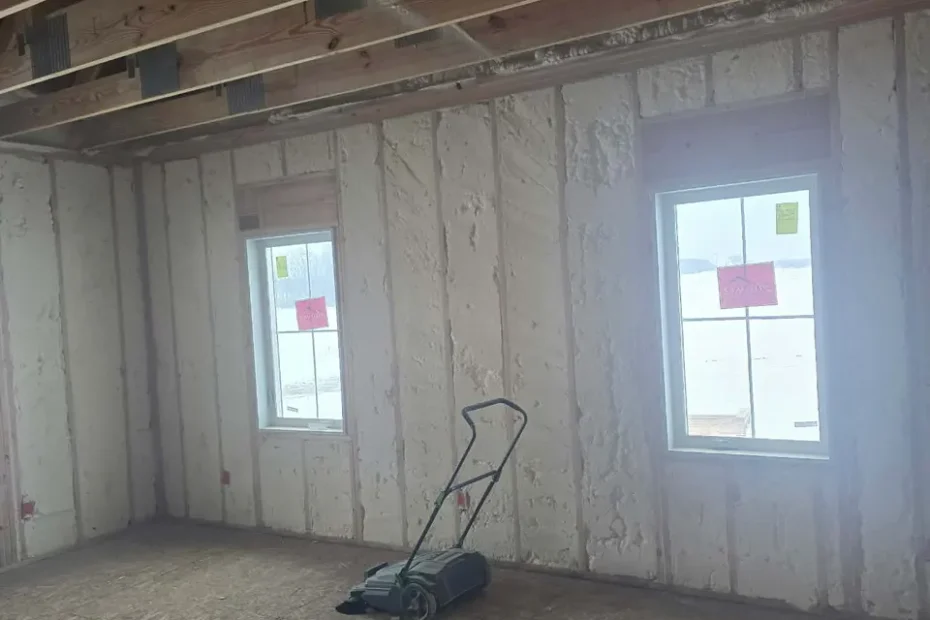
Have you ever noticed that your master bedroom feels like a chilly retreat compared to the cozy warmth of the rest of your home? You’re not alone! Many people experience this baffling phenomenon, which can be caused by a variety of factors. In this blog, we’ll explore some common reasons why your master bedroom might be colder and what you can do to fix it. Let’s dive in!
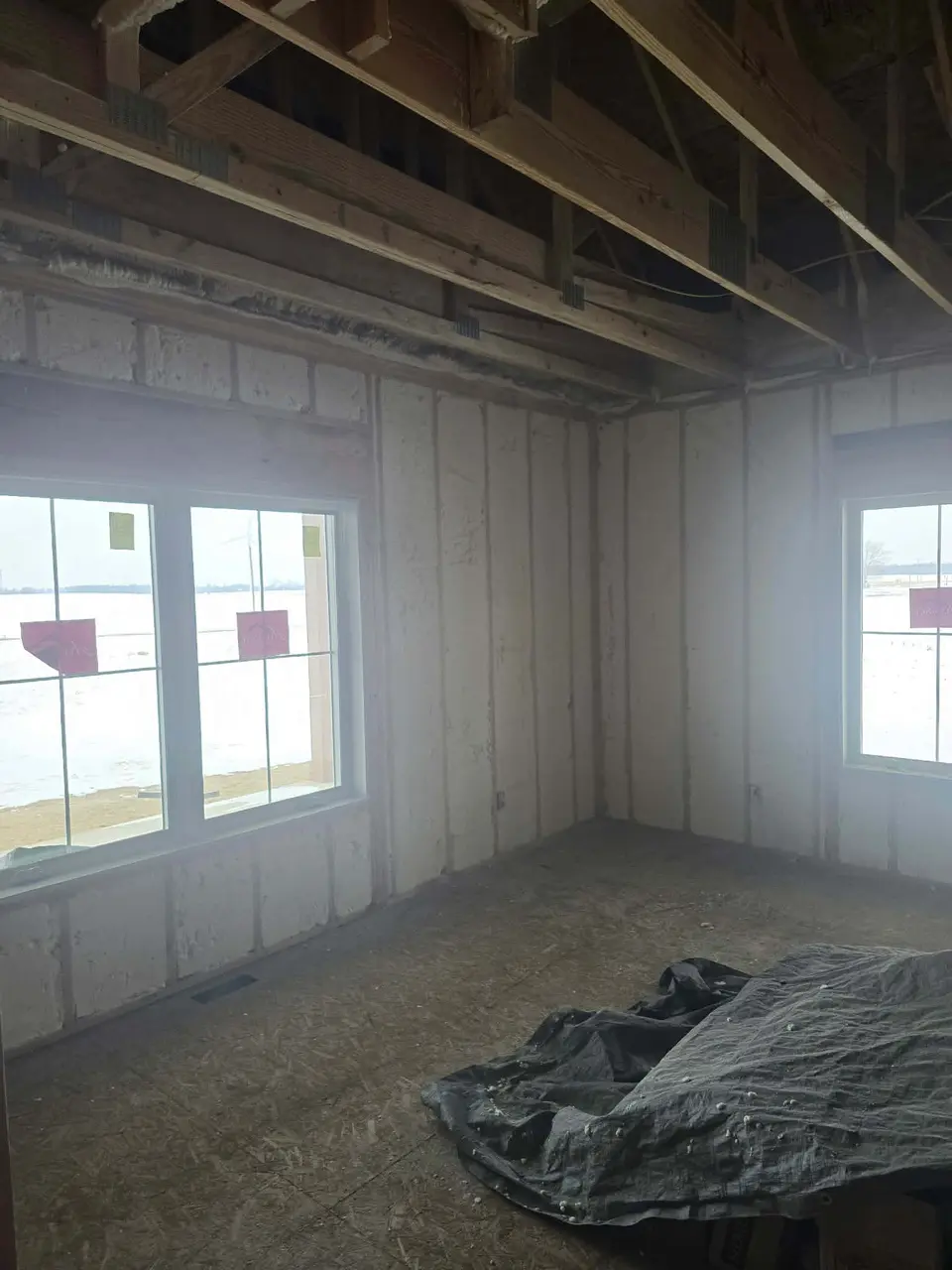
Insulation Mysteries Unveiled
One of the main culprits behind a colder master bedroom could be inadequate insulation. Let’s explore how walls, windows, and even roofs can impact the temperature in your space. Inadequate insulation creates what can only be termed ‘heat leaks,’ where warmth escapes through unprotected areas, leaving you shivering. Have you checked the thickness and condition of the insulation in your walls and attic? If your insulation isn’t up to snuff, investing in proper insulation could lead to significant improvements in comfort and energy efficiency.
Moreover, older homes often have outdated insulation materials or techniques. It’s essential to be proactive about maintaining and updating these features. If you notice drafts or chilly spots, consider adding insulation to walls or even reinvesting in current trends like spray foam, which offers exceptional sealing properties. Understanding where your home might be losing heat is key to creating a warmer environment in your master bedroom.
Lastly, don’t forget about your windows! Single-pane glass, a common feature of older homes, can lead to major heat loss. Upgrading to double-pane glass or employing window films serves as a great strategy to keep warmth in. So, pay attention to these insulation mysteries that might leave your master bedroom feeling like a winter wonderland!
Challenges with Heating Systems
Your heating system might not be distributing warmth evenly throughout your home. Discover how to check your heating vents, thermostats, and radiators to ensure your bedroom receives the cozy heat it deserves. Often, homeowners overlook the placement of their thermostat, which can significantly affect how their heating system works. If it’s located away from the master bedroom, it may cause the system to stop heating before the bedroom reaches a comfortable temperature.
Remember to inspect your heating vents too! If they’re blocked by furniture or dust, they won’t function properly—leading to colder spots. A simple solution is to ensure all vents are open and free from obstructions. Additionally, consider investing in a zoning system. This allows you to control temperatures in different areas of your home independently and can be particularly beneficial if your master bedroom consistently feels colder.
Lastly, don’t underestimate the significance of regular maintenance for your heating system. A well-maintained furnace or boiler not only lasts longer but also works more efficiently. Schedule annual check-ups to ensure everything is working properly. With the right attention, your heating system can transform your master bedroom into a cozy sanctuary.
The Role of Windows and Doors
Drafty windows and doors can lead to a significant temperature drop in your master bedroom. Learn about effective ways to seal these areas and improve your room’s comfort. For starters, simple weather stripping can make a world of difference. Installing it around doors and windows can drastically reduce the amount of cold air seeping in. Plus, it’s a quick fix for anyone looking to tackle temperature discrepancies.
In addition to sealing drafts, consider using thermal curtains. These specially designed window treatments not only add to your bedroom’s aesthetic but also provide extra insulation, keeping the warmth inside where it belongs. On particularly cold nights, closing these curtains can create a layer of protection against the chill. Investing in quality window treatments is both stylish and practical!
Finally, if you find that your windows are excessively old or damaged, it may be time for an upgrade. Modern windows are designed with energy efficiency in mind and can retain heat much more effectively than their older counterparts. Even if it requires a more significant investment upfront, the return in comfort and energy savings can be well worth it in the long run.
Airflow Dynamics Explained
Airflow plays a crucial role in how heat is distributed in your home. We’ll investigate ways to enhance airflow and prevent cold pockets in your master bedroom. A common issue many people face is obstructed airflow, which can create cold spots in any room. To remedy this, take a stroll through your home and ensure that furniture, curtains, and other items aren’t blocking vents or radiators.
Additionally, utilizing fans can help circulate warm air more effectively. A ceiling fan, used in reverse (clockwise), can help push warm air down from the ceiling into the room. This simple technique can be particularly effective in winter months, ensuring that heat doesn’t just collect at the top. Keeping air moving is crucial in combating cold air buildup.
Furthermore, consider the overall placement of your HVAC system. If it isn’t ideally located or if ducts are poorly constructed, it could lead to uneven heating patterns in your home. Consulting with an HVAC professional ensures that your system is optimized for the layout of your home, allowing for even airflow and temperature. Addressing these airflow dynamics may just be the solution to elevating the comfort level in your master bedroom.
Humidity’s Hidden Impact
Did you know that humidity levels can affect how cold or warm a space feels? Let’s discuss how to balance humidity in your home to enhance comfort in your bedroom. Higher humidity can make warm air feel even warmer, and conversely, drier air can make your bedroom feel cooler than it actually is. Ideally, maintaining a comfortable humidity level between 30-50% can help you feel cozier.
One of the best tools at your disposal is a hygrometer, which measures humidity levels in your home. If you notice that your master bedroom is running on the drier side, consider using a humidifier, particularly in the winter months when the air tends to be drier. This not only can make your space feel warmer but can also be beneficial for your skin and respiratory health.
On the flip side, if you find that your bedroom is too humid, a dehumidifier may be necessary to remove excess moisture from the air. This not only helps with temperature control but can also prevent mold and mildew growth. Finding the right balance is essential in ensuring that your master bedroom is a comfortable haven year-round.