
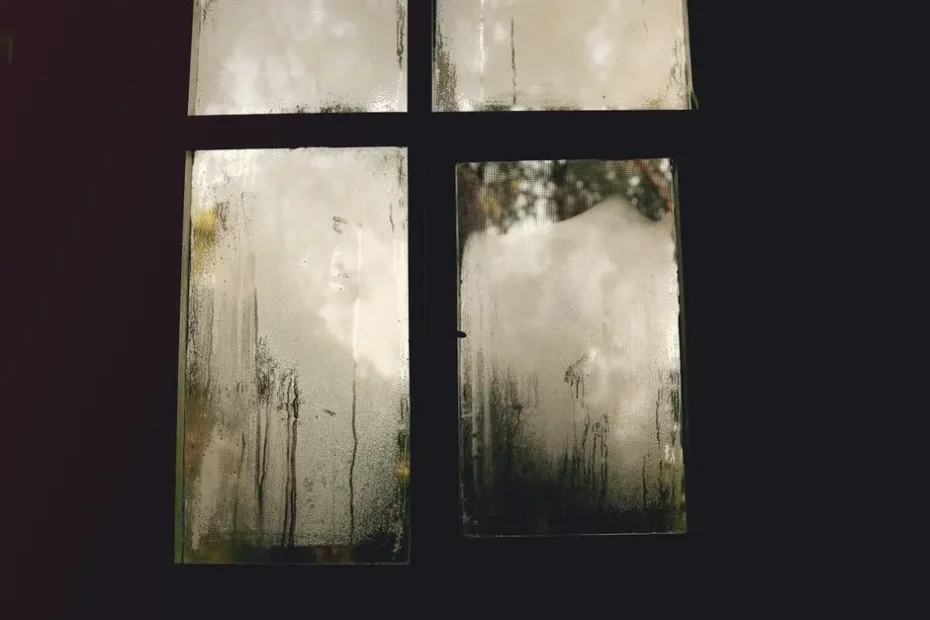
Finding water droplets on a wall, window, pipe, roof panel or piece of ductwork can immediately make you think something is leaking.
Sometimes, that is exactly what is happening.
However, water on a surface does not always come from a roof, plumbing or foundation leak. It may be condensation caused by humid air contacting a cold surface.
Understanding the difference matters. Repairing a leak, installing more insulation, sealing air gaps and reducing indoor humidity are all different solutions. Choosing the right one starts with identifying where the moisture is coming from and how it is moving through the building.
What Is Condensation?
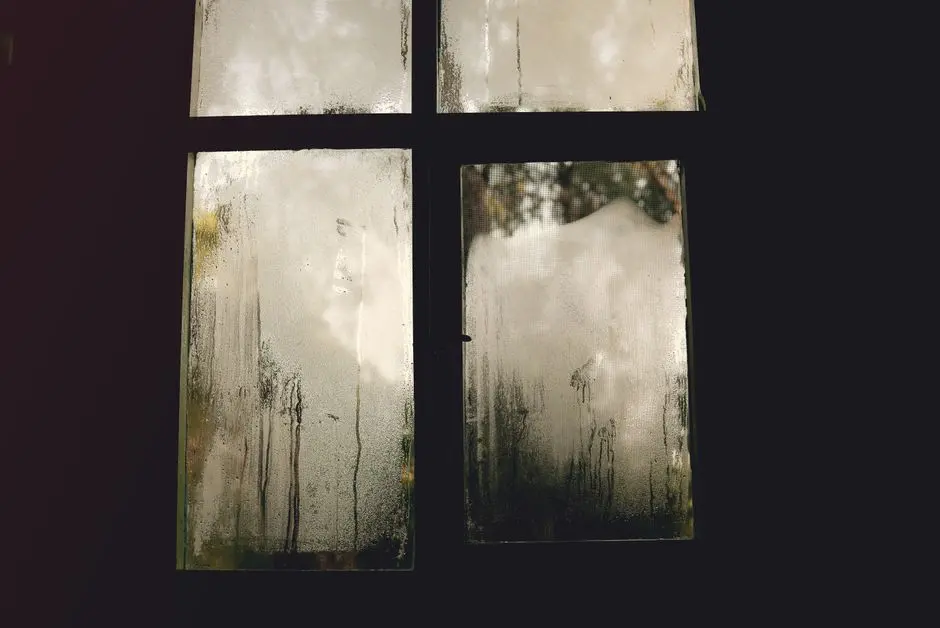
Condensation occurs when moisture in the air changes from water vapor into liquid water.
This happens when humid air contacts a surface that is cold enough for the air to reach its dew point. The dew point is the temperature at which the moisture in the air begins forming liquid droplets.
You may see this happen when:
- Water forms on the outside of a cold drink
- A bathroom mirror fogs after a shower
- Moisture collects on a cold basement wall
- Metal roofing appears to “sweat”
- Condensation forms on ductwork
- Frost or moisture develops on cold attic surfaces
The same building-science principle is involved in each example: moist air meets a surface below its dew point.
Condensation Does Not Always Mean Something Is Leaking
An active roof, plumbing or foundation leak should always be investigated first. However, condensation can create many of the same visible symptoms as a leak.
These may include:
- Water droplets
- Damp insulation
- Staining
- Musty odors
- Wet framing
- Moisture on metal surfaces
- Mold or mildew growth
- Peeling paint
- Rust or corrosion
The important question is not simply, “Where is the water?”
It is:
How did the moisture get there?
The answer may involve liquid water, water vapor, moving air or a combination of all three.
The Three Main Ways Moisture Moves Through a Building
Moisture can enter and travel through homes and buildings in several ways.
1. Bulk Water
Bulk water is liquid water entering the building directly.
Common examples include:
- Roof leaks
- Plumbing leaks
- Foundation leaks
- Groundwater
- Flooding
- Rain entering around windows or doors
- Improper drainage
- Water entering through damaged siding or roofing
Insulation and air sealing are not substitutes for repairing these problems. Active leaks and exterior drainage issues should be corrected before insulation is installed over the affected area.
2. Vapor Diffusion
Water vapor can move through certain building materials because of differences in vapor pressure.
This process is known as vapor diffusion.
Vapor retarders, insulation materials, coatings and the overall design of the wall or roof assembly can affect how easily water vapor moves through the structure.
Vapor diffusion is one reason material selection matters. An insulation system that works well in one type of building assembly may not be appropriate for another.
3. Moisture Carried by Moving Air
Moisture can also travel with air as it moves through cracks, gaps, penetrations and open building cavities.
Common air-leakage pathways include:
- Attic accesses
- Plumbing penetrations
- Electrical openings
- Rim joists
- Open wall cavities
- Gaps around ductwork
- Utility penetrations
- Connections between walls, floors and ceilings
- Openings around doors and windows
- Gaps where different building materials meet
When humid air moves through one of these openings and reaches a colder surface, condensation may form.
This is why moisture management is closely connected to air sealing.
How Air Leakage Contributes to Condensation
Air is constantly being pushed and pulled through buildings by temperature differences, wind, exhaust equipment, HVAC systems and pressure differences.
As the air moves, it carries moisture with it.
During winter, warm indoor air may leak upward through ceiling penetrations and enter a cold attic. If that moisture-laden air contacts cold roof decking or framing, condensation or frost may develop.
During summer, hot and humid outdoor air may enter a cooled basement, crawl space, wall cavity or metal building. When it reaches colder surfaces, water droplets may form.
This moisture movement may occur even when there is no visible hole in the roof or crack in a plumbing line.
What Causes Attic Condensation?
Attic moisture is often blamed entirely on roof leaks. While the roof should always be inspected, moisture can also enter the attic from inside the building.
Warm, humid indoor air may escape through:
- Recessed lights
- Attic access panels
- Open wall cavities
- Plumbing vents
- Electrical penetrations
- Exhaust-fan openings
- Gaps around chimneys and flues
- Connections between interior walls and the attic floor
When that air reaches cold roof decking during winter, the moisture may condense or freeze.
Possible signs include:
- Frost on roofing nails
- Damp roof decking
- Dark staining
- Wet or compressed insulation
- Musty odors
- Mold growth
- Water appearing after temperatures rise
Adding more blown-in insulation may improve thermal performance, but it will not necessarily stop humid air from passing through an unsealed opening.
That is why accessible attic air leaks should be evaluated before additional insulation is installed.
What Causes Crawl-Space Humidity?
Crawl spaces can receive moisture from several sources, including:
- Exposed soil
- Groundwater
- Poor exterior drainage
- Foundation leaks
- Plumbing leaks
- Humid outdoor air
- Open crawl-space vents
- Air leakage from the home
- Unsealed ductwork
During warm weather, humid air can enter a crawl space and contact cooler framing, ductwork, pipes or foundation surfaces. This can lead to condensation and elevated moisture levels.
A damp crawl space may contribute to:
- Musty odors
- Mold growth
- Wood deterioration
- Wet insulation
- Sagging fiberglass batts
- Rusted ductwork
- Uncomfortable floors
- Humid conditions inside the home
The right solution may involve drainage improvements, ground-moisture control, encapsulation, dehumidification, air sealing or insulation. The source of the moisture should be identified before deciding which improvement is appropriate.
Why Do Basements Develop Condensation During Summer?
Basement condensation is especially common during humid Midwest summers.
Basement walls, floors, pipes and other surfaces often remain cooler than the outdoor air. When warm, humid air enters the basement and contacts those surfaces, condensation may form.
This can make a basement feel damp even when the foundation is not actively leaking.
Common signs include:
- Moisture on foundation walls
- Damp concrete floors
- Water on cold pipes
- Musty odors
- Condensation around rim joists
- Damp cardboard or stored belongings
- Elevated indoor humidity
A dehumidifier may help control the humidity, but it does not necessarily address the air-leakage pathways or moisture sources allowing humid air into the space.
Closed-cell spray foam may be appropriate for certain accessible rim joists or foundation assemblies, particularly during new construction or a basement remodel. However, spray foam should not be presented as a repair for foundation leaks, flooding or groundwater pressure.
Why Do Pole Barns and Metal Buildings Sweat?
Condensation is especially noticeable in pole barns and metal buildings because metal surfaces can change temperature quickly.
When humid air inside the building reaches cold roof or wall panels, moisture may form on the metal and drip onto equipment, vehicles, stored materials or the floor.
Factors that may contribute include:
- Uninsulated metal roofing
- Inadequate ventilation
- High indoor humidity
- Moisture rising from an uncovered floor
- Livestock or agricultural activity
- Temperature swings
- Air leakage
- An insulation system that does not control airflow
- Improper vapor management
The correct insulation strategy depends on the building’s use, climate, existing materials, ventilation and moisture sources.
Open-cell and closed-cell spray foam do not manage vapor in the same way. The right product and assembly should be selected based on building science—not simply price or the amount of foam being installed.
Condensation in Commercial and Industrial Buildings
Condensation is not limited to houses, basements and barns.
Commercial and industrial facilities may also experience moisture problems caused by:
- Building-pressure differences
- Exhaust equipment
- Large temperature differences
- Process-generated humidity
- Roof and wall air leakage
- Large doors opening frequently
- Unsealed structural connections
- Mechanical-system imbalances
- Moist air moving into cooled areas
In larger buildings, uncontrolled air movement can affect more than comfort. It may interfere with equipment, product storage, dust containment, ventilation and operational requirements.
This is why commercial air sealing should begin with understanding how the building is being used and how pressure is moving air through the facility.
Why Insulation Alone May Not Solve Condensation
Insulation and air sealing perform different jobs.
Insulation slows heat transfer.
Air sealing reduces uncontrolled air movement.
Insulation can help keep interior surfaces warmer or reduce temperature differences within a building assembly. However, insulation may not stop humid air from moving through cracks and penetrations.
For example, additional attic insulation may improve R-value while leaving air-leakage pathways underneath it.
Similarly, fiberglass insulation installed in a rim joist may slow heat transfer but still allow humid air to move around or through the material.
Depending on the building, a complete solution may require a combination of:
- Repairing active leaks
- Improving drainage
- Controlling ground moisture
- Air sealing
- Adding or replacing insulation
- Managing indoor humidity
- Correcting ventilation
- Repairing ductwork
- Selecting the appropriate vapor-control strategy
No single insulation product is the answer to every moisture problem.
Air Sealing and Ventilation Must Work Together
Air sealing does not mean eliminating fresh air from a building.
It means reducing random, uncontrolled airflow through attics, crawl spaces, wall cavities and other undesirable pathways.
A building should receive fresh air intentionally through an appropriate ventilation system—not through gaps around the foundation, attic or roofline.
Depending on the property, ventilation may include:
- Bathroom exhaust fans vented outside
- Kitchen exhaust
- Mechanical fresh-air systems
- Crawl-space dehumidification
- Agricultural or industrial ventilation
- Properly designed attic ventilation
- HVAC humidity control
Air sealing, ventilation, insulation and moisture management should be evaluated as parts of the same building system.
How Insulation HUB Identifies Moisture Problems
At Insulation HUB, we do not assume that every moisture problem requires more insulation or spray foam.
We look at how heat, air and moisture are moving through the entire building.
Depending on the property, an evaluation may include examining:
- Existing insulation
- Attic air-leakage areas
- Roof decking and framing
- Attic access panels
- Bathroom exhaust ductwork
- Basement and crawl-space conditions
- Rim joists
- Foundation surfaces
- Utility penetrations
- Ductwork
- Metal roofing and walls
- Existing spray foam
- Signs of active water entry
- Areas with condensation, staining or mold
Once the likely moisture source is understood, we can recommend an improvement based on the actual building, not simply sell a predetermined product.
The solution may involve blown-in attic insulation, air sealing, crawl-space improvements, rim-joist insulation or a properly designed spray-foam application.
Frequently Asked Questions About Condensation
Can condensation occur without a leak?
Yes. Condensation can form when humid air contacts a surface that is at or below the air’s dew point. This may create water droplets even when the roof, plumbing and foundation are not leaking.
What is the difference between condensation and a water leak?
A leak involves liquid water entering from a specific source, such as damaged roofing, plumbing or foundation cracks. Condensation forms when water vapor in the air changes into liquid on a cold surface.
Can insulation prevent condensation?
Insulation may help by controlling surface temperatures, but the result depends on the building assembly. Air leakage, indoor humidity, vapor movement, ventilation and active water sources must also be considered.
Does spray foam stop moisture?
Spray foam can provide air-sealing and insulating benefits when selected and installed correctly. However, it does not repair roof leaks, foundation leaks, flooding or drainage problems. Different foam products also have different vapor-control characteristics.
Why is my basement dampest during summer?
Warm, humid outdoor air may enter the basement and contact cooler walls, floors, pipes or ductwork. When those surfaces are below the dew point, condensation can form.
Why is there moisture in my attic during winter?
Warm indoor air may leak into the attic through ceiling penetrations and open cavities. When that air contacts cold roof decking or framing, condensation or frost may develop.
Solve the Source of the Moisture, not Just the Symptom
Water inside a building should never be ignored, but it does not always mean something is leaking.
Condensation may be caused by humid air moving through the building, cold surface temperatures, inadequate ventilation, missing insulation or a combination of several factors.
The right solution begins with understanding how the building is performing.
Insulation HUB helps homeowners, builders, agricultural operations and commercial facilities identify the source of comfort, air-leakage and moisture problems and develop solutions grounded in building science.