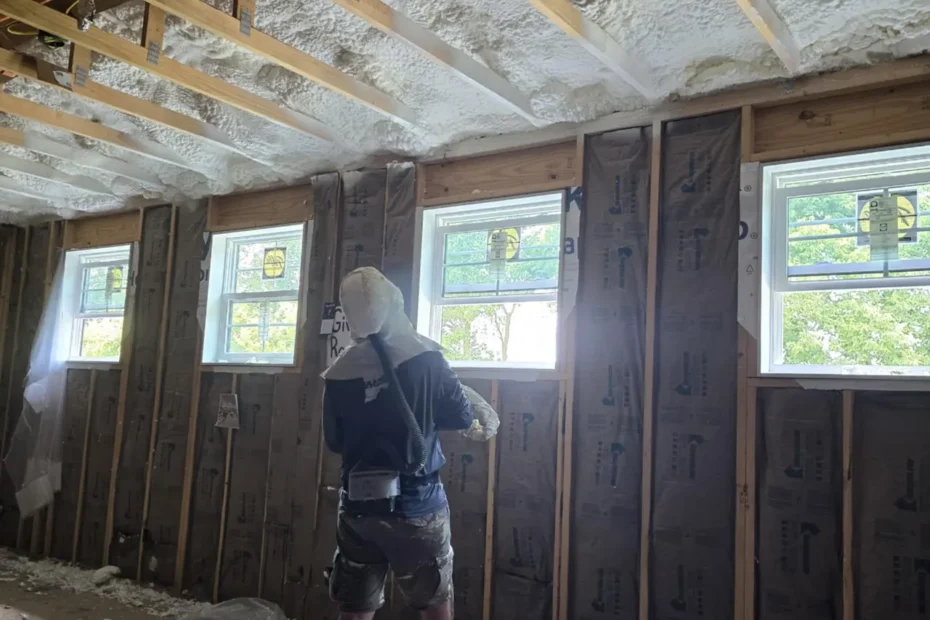
Spray foam insulation has earned a reputation as one of the most effective insulation products available today. Homeowners use it to make drafty homes more comfortable, reduce energy costs, improve moisture control, and create a tighter building envelope. It’s also a popular choice for pole barns, workshops, commercial buildings, and new construction projects because of its ability to insulate and air seal at the same time.
But here’s something many homeowners don’t realize: while spray foam is an exceptional product, the quality of the installation plays a major role in the results.
Two contractors can install the same type of spray foam in two similar buildings and achieve very different outcomes. That’s why choosing the right spray foam contractor is just as important as choosing the insulation itself.
The good news? Spray foam has a long track record of success when installed properly. Understanding what separates a professional installation from an average one can help you make a more informed decision when comparing contractors and quotes.
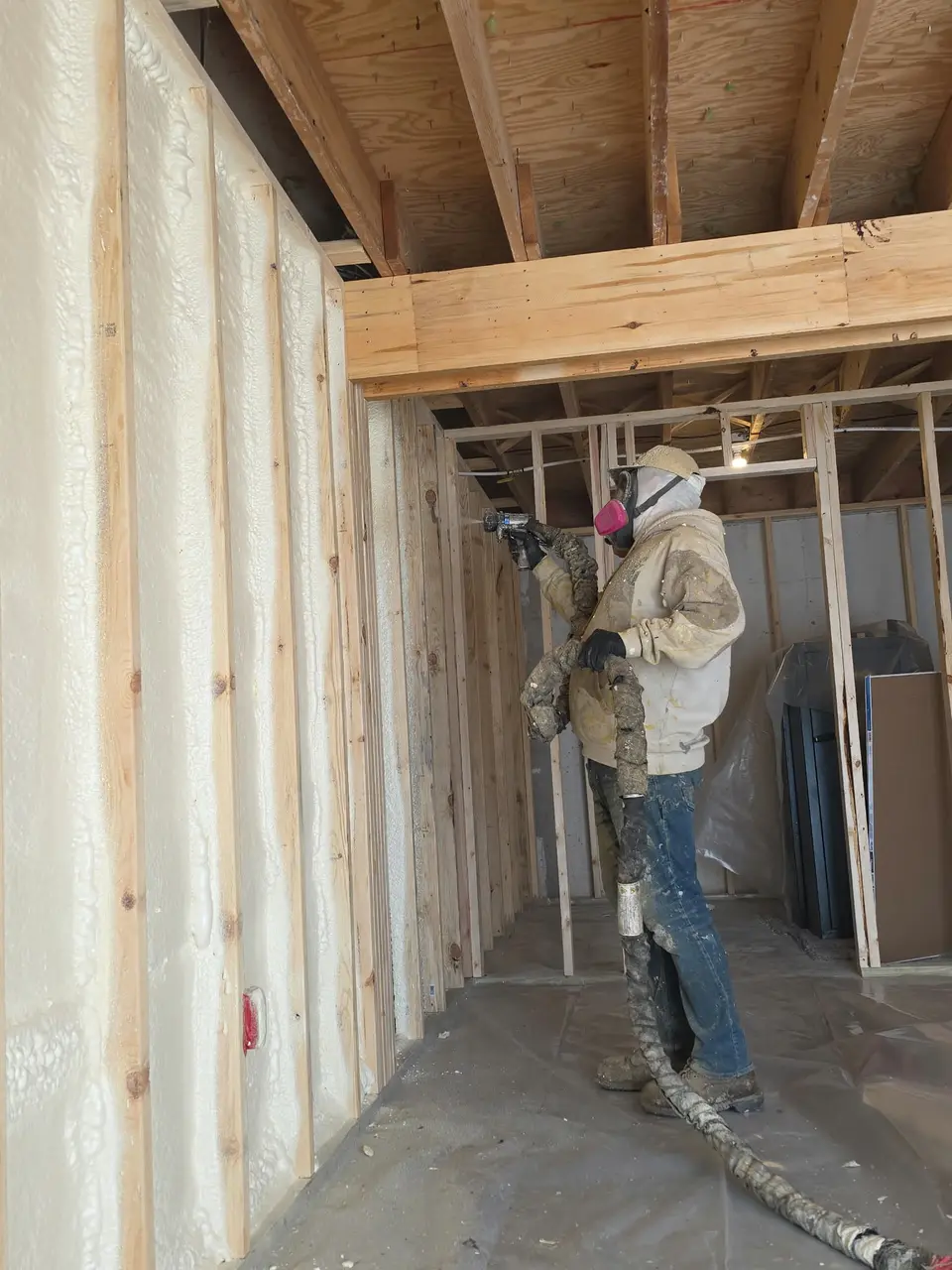
Why Homeowners Choose Spray Foam Insulation
Most people don’t start researching spray foam because they’re interested in insulation. They start because they’re frustrated with a problem.
Maybe the upstairs is always hotter than the rest of the house. Maybe the furnace seems to run constantly during the winter. Maybe a pole barn is difficult to heat, or a workshop is uncomfortable year-round.
Spray foam is often recommended because it addresses two issues at the same time:
- It provides insulation.
- It creates an air seal.
Traditional insulation slows heat transfer, but air can often move around or through it. Spray foam expands into gaps, cracks, and hard-to-reach areas, helping stop unwanted air movement that contributes to drafts, uneven temperatures, and energy loss.
That’s why spray foam is frequently used in:
- Attics
- Crawlspaces
- Rim joists
- Pole barns
- Workshops
- Commercial buildings
- New construction homes
When installed correctly, it can improve comfort, reduce energy consumption, and help control moisture issues.
A Good Spray Foam Project Starts Before the Foam Is Applied
One of the biggest differences between contractors has nothing to do with the spray foam itself.
It has to do with the planning.
Before recommending a spray foam solution, a professional contractor should understand how the building is being used and what problem the insulation is supposed to solve.
For example:
A homeowner struggling with a hot upstairs bedroom may need a completely different approach than a farmer trying to stop condensation inside a pole barn.
Likewise, a commercial building with high heating costs may require a different insulation strategy than a detached workshop used only on weekends.
A quality spray foam contractor evaluates:
- Existing insulation levels
- Air leakage pathways
- Ventilation
- Moisture conditions
- Building usage
- Comfort concerns
- Energy efficiency goals
The goal isn’t simply to spray foam everywhere. The goal is to create the right insulation strategy for the building.
Not All Buildings Need the Same Spray Foam Strategy
One of the reasons spray foam has become so popular is its versatility.
However, different buildings often require different solutions.
Attics
Attics are one of the most common locations for spray foam. Depending on the home’s design, foam may be installed along the attic floor or along the roof deck.
Crawlspaces
Spray foam can help reduce air infiltration and moisture issues in crawlspaces while improving overall comfort inside the home.
Pole Barns and Workshops
Many pole barn owners choose spray foam because it helps control condensation while creating a more comfortable environment year-round.
Commercial Buildings
Commercial structures often have unique energy and moisture challenges. Proper insulation design can help reduce operating costs while improving comfort for occupants.
A contractor who understands building science can determine which approach makes the most sense for your specific situation.
What Separates a Professional Spray Foam Contractor?
Not all spray foam contractors bring the same level of experience and expertise to a project.
Professional installers focus on:
Proper Preparation
The quality of a spray foam installation starts with preparation. Surfaces should be evaluated, building conditions reviewed, and project goals clearly defined before spraying begins.
Building Science Knowledge
Insulation does not work in isolation.
Air movement, moisture, ventilation, and temperature all affect building performance. A contractor should understand how these factors work together.
Attention to Detail
Some of the most important areas in a building are also the easiest to overlook.
Transitions, penetrations, corners, rim joists, and difficult-to-access areas often have a major impact on overall performance.
Clear Communication
Homeowners should understand why a particular recommendation is being made.
A quality contractor explains the process, answers questions, and helps homeowners make informed decisions.
Questions Every Homeowner Should Ask Before Hiring a Spray Foam Contractor
Before moving forward with a project, consider asking:
- How long have you been installing spray foam?
- What types of buildings do you typically work on?
- Can you provide references or project photos?
- What is included in the quote?
- How do you determine how much foam is needed?
- Will you evaluate ventilation and moisture conditions?
- What type of spray foam are you recommending and why?
The answers often reveal far more than the price alone.
Why the Cheapest Spray Foam Quote Isn’t Always the Best Value
It’s natural to compare prices.
However, spray foam projects can vary significantly based on:
- Thickness
- Coverage area
- Building conditions
- Preparation requirements
- Scope of work
A lower quote doesn’t always mean you’re getting the same project.
The better question is:
“What am I getting for the investment?”
A properly designed spray foam project can provide comfort and energy savings for decades.
The Goal Is Better Building Performance
One misconception about spray foam is that more foam automatically equals a better result.
In reality, successful projects focus on performance.
The goal is to create a building that is:
- More comfortable
- More energy efficient
- Better protected from moisture
- Easier to heat and cool
That requires more than simply applying insulation. It requires understanding how the entire building works together.
Final Thoughts
Spray foam insulation has become one of the most effective insulation solutions available for homes, pole barns, workshops, and commercial buildings.
When installed correctly, it can deliver outstanding comfort, efficiency, and long-term performance.
That’s why choosing the right contractor matters.
The best spray foam projects start with a thorough evaluation, a clear understanding of the building, and a contractor focused on solving problems rather than simply selling insulation.
If you’re considering spray foam for your home, pole barn, workshop, or commercial building, the first step is understanding your options.
Get a Detailed Spray Foam Quote
Our team will evaluate your building, discuss your goals, and recommend a spray foam solution designed for long-term performance and comfort.