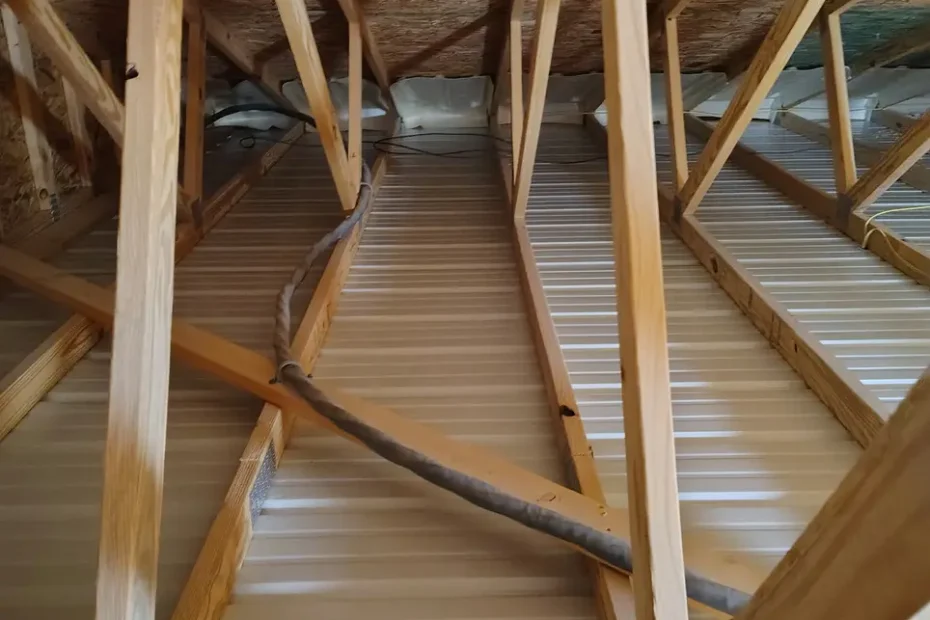
Are you wondering if it’s time to replace the insulation in your home? Insulation plays a crucial role in maintaining energy efficiency and comfort, but it doesn’t last forever. In this blog post, we’ll explore the key signs that indicate you might need insulation removal. Let’s dive in and ensure your home stays cozy and energy-efficient!
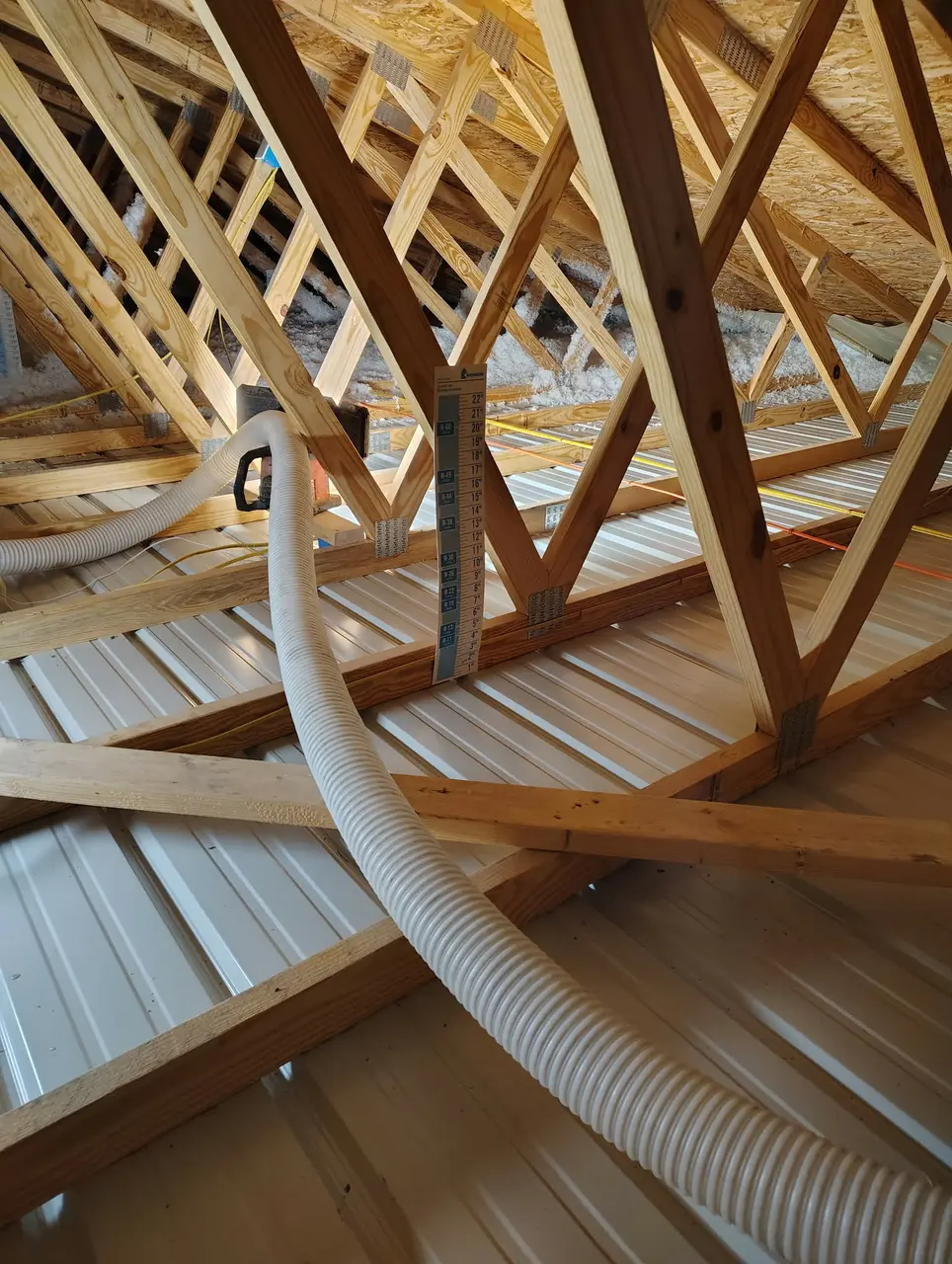
1. Increased Energy Bills
If your energy bills are on the rise without any noticeable changes in usage, it might be a sign that your insulation is no longer performing effectively. Think about it: when your home isn’t insulated properly, your HVAC system works overtime to keep the temperature just right, leading to those unwelcome spikes in your utility bills. How much longer can your budget take this strain? Not only does this increased expenditure hit your wallet, but it also indicates that your insulation may be allowing air to escape or enter. It’s crucial to analyze your bills closely, identifying any significant shifts over a few months, as persistent increases might signal the need for insulation removal.
Getting a professional energy audit or even a DIY check can reveal just how much energy is leaking due to poor insulation. The good news? Addressing the issue not only optimizes your energy use but also provides a more stable temperature inside your home.
2. Uneven Temperatures
Experiencing cold spots in winter or overheated areas in summer? This inconsistency can indicate that your insulation is failing. Ideally, your home’s temperature should be consistent throughout—comfort should not be a luxury. If it feels like you need to play an endless game of hide and seek with your thermostat, this might be a clear indicator that insulation removal should definitely be on your radar.
Consider how difficult it is to enjoy your home when one room feels like a freezer while another resembles a sauna. The symptoms of poor insulation can manifest in more than just discomfort; they can affect everything from the lifespan of your HVAC system to your overall mood. Don’t wait until the next season kicks in; take note of these uncomfortable spots right away, as they may prompt you to reassess your home’s insulation needs.
3. Dampness and Mold Growth
If you notice mold or a musty smell, it could mean moisture is trapped in your insulation, leading to both health risks and reduced effectiveness. Humidity and insulation simply don’t mix! When insulation becomes damp, it loses its ability to keep your home insulated effectively, and then you have a bigger problem on your hands. Mold can wreak havoc on your health if left unchecked. Not to mention, fixing mold problems can quickly become expensive, with potential damage to walls, ceilings, and even structural components of your home.
If any visible mold growth is spotted or if unpleasant odors persist, have a professional assess the situation immediately. This step not only protects your health but also ensures your home maintains its integrity. Don’t let damp insulation be a hidden danger; recognizing the signs early can save you time, money, and health concerns in the long run.
4. Pest Infestations
Rodents and insects love to nest in old insulation—if you find evidence of pests, it’s time to consider removing and replacing your insulation. The presence of things like droppings or the sounds of scuttling in the walls is not just unsettling; it’s often the first sign that your insulation has become a welcome mat for critters seeking comfort. Think about the implications this brings not only for the structural integrity of your home but also for your family’s health.
If furry occupants are finding a cozy spot in your insulation, it’s absolutely critical to act swiftly. Besides the creepy factor, they can chew through wiring and carry diseases. Ensuring you have clean, pest-free insulation is vital for a safe and healthy home environment. Prioritize a thorough inspection after identifying pest activity; insulation removal may be the immediate solution needed to keep unwanted guests at bay.
5. Sagging or Displacement
If your insulation appears to be sagging or has moved out of place, its ability to insulate effectively will be compromised and likely needs to be removed. Insulation’s job is to fit snugly within your walls or attics but when it starts to sag, you can bet it’s not just a cosmetic issue; it’s affecting your home’s efficiency. Pay attention—this could lead to drafts and further elevated energy bills.
Moreover, old insulation that has become displaced signifies simply that it has reached the end of its line. If left unaddressed, this problem could escalate into more significant areas of loss for your otherwise comfortable home environment. Trust your eyes; if your insulation doesn’t look right, it’s probably time to let it go.
6. Age of Insulation
Most insulation materials have a lifespan of about fifteen to twenty years. If yours is older, it is prudent to consider replacement. Aging insulation becomes less effective over time, compromising its ability to regulate your home’s temperature. So, before you shrug off those slightly drafts or fluctuating temperatures, take a moment to think about when your insulation was last renovated.
It’s ideal to keep track of when you last updated your insulation. A little preparation goes a long way in maintaining a comfortable living environment. If your insulation is approaching or surpassing that two-decade mark, you may want to prioritize an inspection, as it might just be time to embrace an upgrade.
7. Health Concerns
If you or your family members are experiencing respiratory issues, it could be related to poor insulation quality or the presence of harmful materials, making removal necessary. Symptoms like unexplained allergies, asthma attacks, or persistent coughs can often be traced back to your home’s environment, particularly aspects as crucial as insulation.
Don’t overlook the possibility that your indoor air quality is being compromised due to outdated or damaged insulation materials. It’s essential to pursue clean air for a healthy home environment. Prioritizing insulation removal not only comforts your home but also directly supports your well-being. A safe and comfortable living space is worth the effort!