
Many homeowners assume insulation projects should wait until spring or summer. Cold weather feels like the worst possible time to open attics, crawl spaces, or basements.
But is winter actually a bad time to add insulation, or is that just a common misconception?
The short answer is no. In many cases, insulating in winter is not only possible, it can be one of the most effective times to improve comfort and energy efficiency.
This guide explains when winter insulation makes sense, what areas of the home matter most, and how to know if winter is the right time for your home.
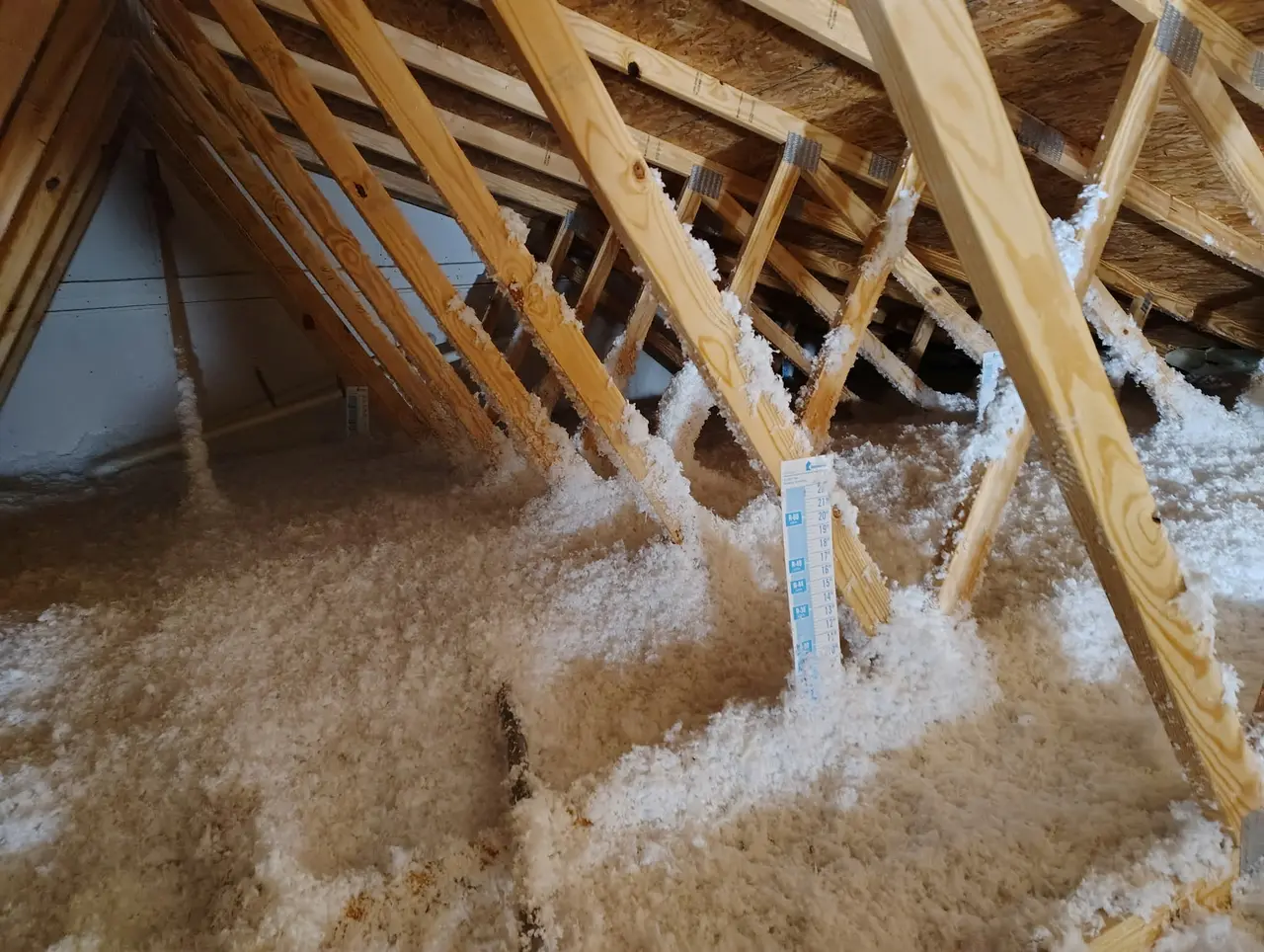
Signs of Insulation Problems in Winter
Winter is often when insulation problems become impossible to ignore. Cold temperatures exaggerate heat loss, making weak spots easier to identify.
Common signs of insulation problems in winter include:
- Cold floors or rooms that never warm up
- Drafts near windows, doors, or attic access points
- Ice dams forming along roof edges
- Heating systems running constantly
- Condensation on windows
If you are noticing these issues, winter may actually be the best time to address them.
Does Attic Insulation Help in Winter?
Yes. Attic insulation plays a major role in winter comfort.
Heat naturally rises, and without proper attic insulation, warm air escapes quickly during cold weather. This forces your heating system to work harder and creates uneven temperatures throughout the home.
For many homeowners, winter attic insulation delivers immediate benefits because:
- Heat loss is easier to identify
- Air leaks are more noticeable
- Comfort improves quickly
Many homeowners also ask whether attic insulation helps more in summer or winter. The answer is both, but winter makes the problem easier to feel and diagnose.
Window Insulation in Winter: What It Helps and What It Does Not
A large number of winter insulation searches focus on windows, and for good reason. Windows are common sources of drafts and heat loss.
Insulation for Windows in Winter
Temporary window insulation solutions can help reduce drafts, including:
- Sealing gaps around frames
- Adding interior window film
- Addressing air leaks near trim
These options can improve comfort but they do not replace proper wall or attic insulation.
If you are searching for the best way to insulate windows in the winter, it is important to understand that window issues often point to larger insulation or air sealing problems elsewhere in the home.
Insulation for Doors and Sliding Doors in Winter
Drafty doors are another common winter complaint.
Sliding door insulation in winter often focuses on sealing air gaps and improving door alignment. Like windows, doors are usually part of a larger air leakage pattern rather than the only problem.
Insulating doors in winter works best when combined with:
- Air sealing
- Attic insulation improvements
- Crawl space or basement insulation
Addressing the whole system leads to better long term results.
Why Winter Is Often a Good Time to Add Insulation
Winter Makes Problems Easier to Diagnose
Cold weather creates a strong contrast between indoor and outdoor temperatures. This makes thermal imaging, air leakage testing, and physical inspections more accurate.
Immediate Comfort Improvements
Unlike waiting until spring, winter insulation allows homeowners to:
- Reduce drafts right away
- Improve room to room comfort
- Lower heating costs during the coldest months
Materials Can Be Installed Year Round
Modern insulation materials such as blown in insulation, fiberglass, cellulose, and professionally installed spray foam are designed for year round installation when handled correctly.
When Winter Insulation May Not Be the Right Choice
Winter insulation may not be ideal if:
- Severe weather makes access unsafe
- Major roof or structural repairs are planned soon
- A large remodel is scheduled in the near future
A professional assessment helps determine whether insulating now or waiting makes more sense for your situation.
Winter Insulation FAQs
Can insulation be installed in winter?
Yes. Most insulation materials can be installed year round when proper techniques are used.
Does attic insulation help in winter?
Yes. Attic insulation significantly reduces heat loss and improves winter comfort.
Does attic insulation help more in summer or winter?
It helps in both seasons, but winter makes the benefits easier to feel immediately.
How do you insulate windows in winter?
Sealing air leaks, improving trim gaps, and adding temporary window insulation can help, but full insulation issues often extend beyond windows.
Is insulation for doors in winter worth it?
Yes, especially when combined with air sealing and attic insulation improvements.
Should I wait until spring to add insulation?
Waiting often means continued discomfort and higher energy bills. Winter assessments can identify whether installing now is beneficial.
Get a Detailed Insulation Recommendation This Winter
If you are wondering whether winter is a bad time to add insulation, the best answer comes from a professional evaluation of your home.
We help homeowners understand:
- Where heat loss is actually occurring
- Whether winter installation makes sense
- What improvements will have the biggest impact
👉 Get a detailed quote to see if insulating in winter can improve your comfort now instead of later.