
As the chill of December sets in, many homeowners experience a startling rise in their heating bills. The combination of colder weather and higher energy demand can be frustrating. However, understanding why these spikes occur and how proper insulation can help can make all the difference. Let’s explore the reasons behind your heating bill increases and how insulation can save you money.
The Chill of December: What Causes the Spike
Every December, as temperatures drop, everyone feels the need to turn up the heat. This sudden increase in demand for heating directly impacts energy prices, making your bills climb. Let’s dive deeper into the factors contributing to this seasonal hike.
Along with the cold weather, reduced daylight hours mean your heating system has to work extra hard to keep your home warm. This simultaneous increase in demand puts a strain on energy resources, which can lead to higher costs. Moreover, many energy providers adjust their rates based on anticipated demand during the winter months, which means consumers often end up paying more than expected.
But, what other factors might be at play? Besides the natural drop in temperature, holiday festivities can also lead to higher occupancy in your home. With guests visiting and cooking going on, your heating needs increase, resulting in higher energy consumption. Understanding these seasonal impacts is the first step in adjusting your strategies to handle those climbing bills.
Common Heating System Inefficiencies
Many older heating systems can struggle to keep up with the increased demand during cold months. From inefficiencies in the furnace to poor distribution of warm air, these issues can significantly inflate your heating costs. Understanding these problems can help you take corrective measures.
One major issue might be a lack of maintenance. Dust and debris can accumulate in your furnace or heating ducts, causing your system to work harder without effectively warming your home. A simple annual check-up can improve efficiency drastically. Additionally, check your thermostat; an inaccurate reading can lead to unnecessary heating or cooling, further increasing your bills.
It’s also crucial to consider the insulation surrounding your heating vents. If there are gaps, warm air may escape before reaching the desired rooms, causing the system to run longer than necessary. Awareness of these inefficiencies not only helps you understand your heating bill but also empowers you to make informed decisions about system upgrades and necessary repairs.
How Insulation Plays a Critical Role
Proper insulation acts as a barrier against the cold, ensuring that the heat generated in your home stays there longer. We’ll explore how good insulation can drastically reduce heating bills by minimizing heat loss.
When there’s insufficient insulation, as much as 30% of your home’s heat can escape through the walls and attic. This means your heating system has to work overtime to maintain comfortable temperatures, resulting in those dreaded high bills. Understanding the R-values—thermal resistance ratings—can help you choose the right materials to improve your home’s insulation.
By investing in quality insulation, you not only lower your heating costs but also create a more consistent indoor climate. This consistency can significantly improve your comfort level, allowing you to enjoy the winter months without feeling chilly in your own home. Let’s take a closer look at how implementing various insulation options can provide substantial long-term benefits.
The Importance of Checking for Drafts
Drafts can be a sneaky culprit behind high heating bills. Areas around windows and doors often let cold air in while allowing warm air to escape. We’ll discuss effective ways to spot and seal these drafts to keep your heating costs down.
Start by conducting a simple draft test: on a windy day, light a candle and move it around doors and windows. If the flame flickers, you have a draft. Quick fixes include weather stripping and caulking to seal those gaps. Remember, stopping drafts isn’t just about comfort; it’s about maximizing the efficiency of your heating system.
Additionally, you might want to pay attention to less obvious culprits like electrical outlets and vents. Insulating these areas can create a more robust barrier against cold air intrusion, keeping your energy costs down. By being proactive in identifying and sealing drafts, you can effectively combat high heating bills this December.
Investing in Quality Insulation: What You Need to Know
Not all insulation is created equal. Understanding the different types of insulation and their benefits can help you make an informed decision that leads to long-term savings. We’ll break it down and show you the best options for your home.
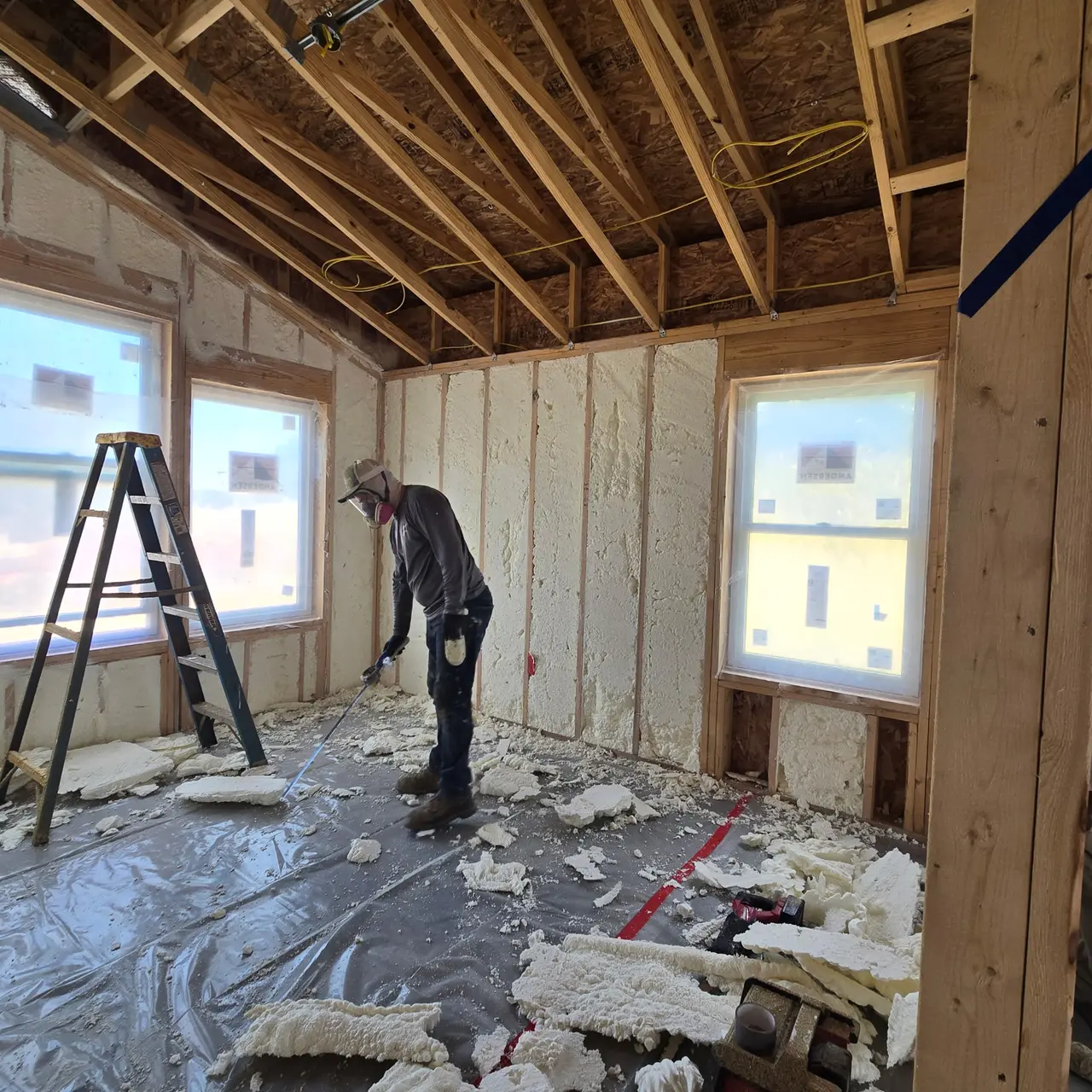
Common types of insulation include fiberglass, foam, and cellulose. Each has its advantages and disadvantages, like cost, efficiency, and ease of installation. For instance, fiberglass insulation can be cost-effective but may require a professional for proper installation, while foam can provide superior energy efficiency but might be pricier upfront.
Furthermore, consider future energy savings when choosing insulation. A higher initial investment in quality insulation can lead to substantially lower heating bills over time. It may even increase your home’s value, not to mention the comfort it brings during those cold winter months. When deciding on insulation, ponder how it will fit into your long-term savings goals.