
As winter approaches, keeping your home warm and comfortable becomes a top priority. But do you know the real difference between air sealing and insulation? While many people use these terms interchangeably, they play distinct roles in maintaining your home’s energy efficiency. Understanding how each function can help you save money and stay cozy during the colder months is essential. Let’s dive into what sets them apart and why you need both!
What Is Air Sealing?
Air sealing involves closing up gaps and cracks in your home’s envelope to prevent drafts and unwanted air flow. This might mean sealing holes around windows, doors, and plumbing fixtures. Learn how a tight seal can lead to significant energy savings.
But it’s not just about sealing the obvious leaks. Don’t forget about less noticeable areas, such as electrical outlets, attic hatches, and the spaces where different building materials meet. These hidden gaps can become major culprits when it comes to losing warm air. Sealing them could be the missing piece of your winter comfort puzzle.
Utilizing materials like caulk or spray foam can effectively tackle the gaps you can’t see. Moreover, engaging a professional for a blower door test can provide an accurate assessment of air leaks in your home. They’ll identify the best strategies to enhance your home’s air sealing, ensuring every last draft is accounted for. An airtight space not only enhances comfort but also prolongs the longevity of your heating system by reducing strain.
Understanding Insulation
Insulation works differently from air sealing. It acts as a barrier that slows down heat transfer, keeping the warmth inside your home during winter. Explore various types of insulation materials and their unique benefits.
From fiberglass to spray foam, each type has its advantages based on your home’s specific needs. For instance, fiberglass is widely used due to its easy installation and budget-friendly price. On the other hand, spray foam insulation provides superior air sealing properties along with heat retention, making it a popular choice for many homeowners. When you combine different types of insulation, you can achieve better results tailored to your home.
Additionally, insulation helps not just in keeping your home warm, but also in better acoustic control. If you live in a noisy area or simply want to minimize sound between rooms, proper insulation can be key. Consider this aspect when evaluating your insulation needs.
Why Air Sealing Matters in Winter
During the colder months, untreated gaps can become a source of cold air, making your heating system work overtime. Discover how air sealing can enhance your comfort level and reduce your heating costs.
In many cases, homeowners are unaware of just how much energy they waste through unsealed leaks. If you’ve ever felt a draft by your front door or noticed chilly spots in your home, you understand that those drafts can significantly increase your heating bills. By efficiently managing air leakage, you not only create a cozier environment but also contribute to less energy consumption, which is both environmentally friendly and economically beneficial.
Moreover, air sealing has an added benefit of improving indoor air quality. By decreasing the number of drafts, you reduce the influx of external air pollutants and allergens, making your home not just warmer but also healthier. This is particularly significant for families with young children or individuals with respiratory conditions.
The Role of Insulation in Your Home
Insulation is crucial for maintaining a consistent indoor temperature. It helps keep your home warm without requiring excessive energy consumption. Uncover how insulation not only protects against the cold but also plays a vital role in soundproofing your living spaces.
When winter rolls in, having quality insulation can mean the difference between a snug home and a chilly environment. It plays a paramount role during not just winter, but all seasons by mitigating heat retention during the summer months too. This can reduce the need for air conditioning during the hot months, resulting in year-round energy savings.
Moreover, effective insulation can often lead to fewer drafts, creating a more stable home environment that everyone can appreciate. When you think about insulation, it’s not just about keeping heat in; it’s an investment in your comfort and a proactive step towards enhanced home efficiency.
The Perfect Combination for Energy Efficiency
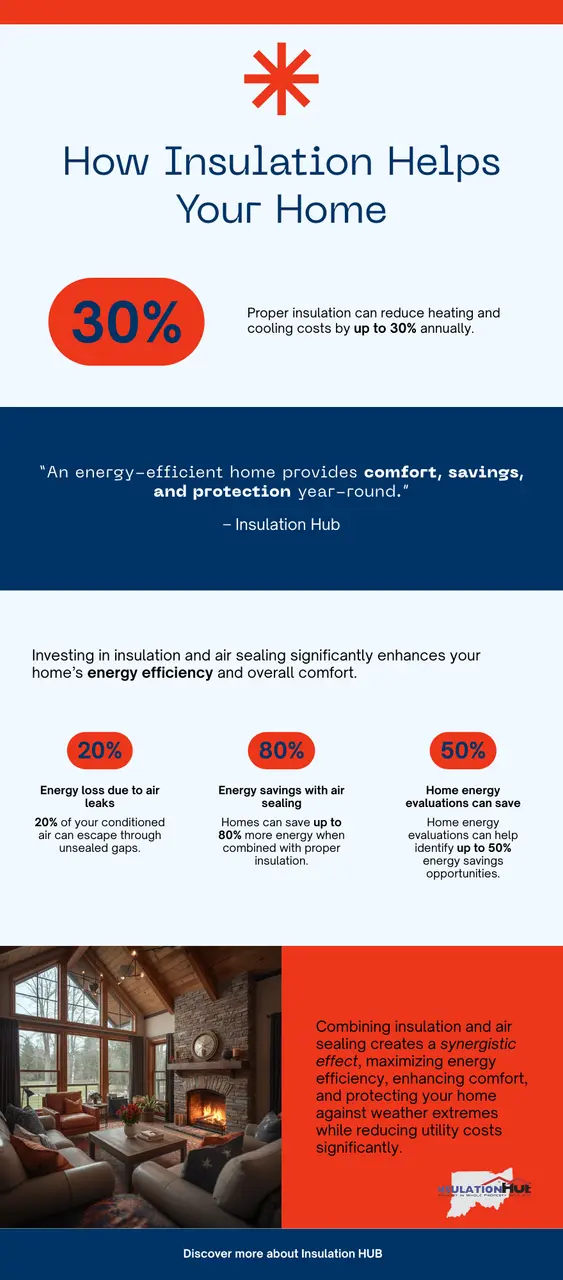
For optimal energy efficiency, air sealing and insulation should work together harmoniously. Understand how combining the two can lead to maximum energy savings and create a more comfortable living environment throughout winter.
Imagine a home where drafts are curtailed, heat is retained, and energy bills are lower. That’s the power of addressing both air sealing and insulation. When they function together, they create a formidable barrier against the cold, ensuring that your heating system operates efficiently.
Furthermore, consider scheduling regular maintenance checks to ensure that your air sealing and insulation remain effective over time. Seasonal inspections can uncover new vulnerabilities created by settling or weather changes, making it necessary to refresh your home’s protective layers. This proactive approach not only extends the life of your systems but also guarantees that you stay warm and comfortable all winter long.