
Are you looking to save on your energy bills? One effective way to do this is by installing loft insulation. In this article, we will explore how loft insulation works, its benefits, and why it’s a smart investment for any homeowner. Let’s dive into the world of energy efficiency and see how loft insulation can help you keep those bills in check!
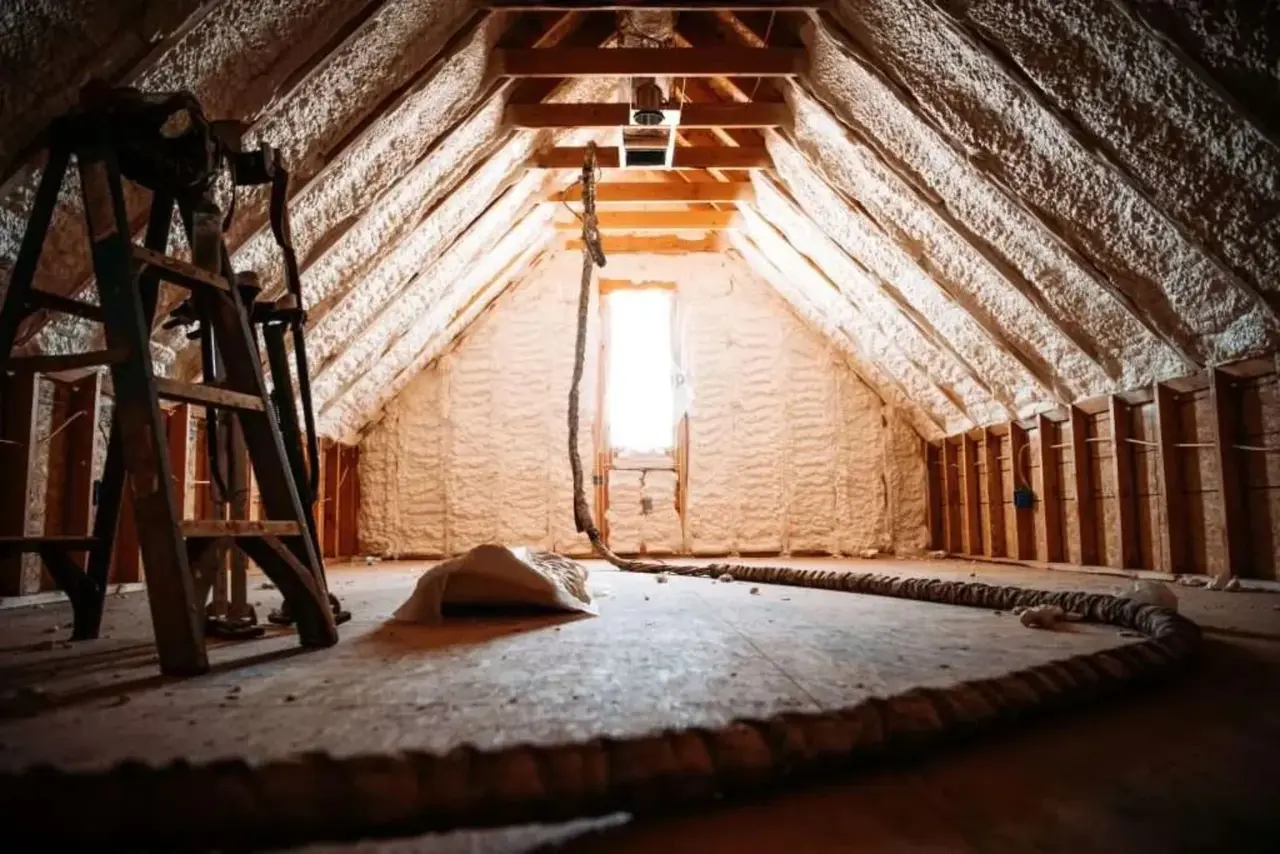
1. Understanding Loft Insulation and How It Works
Loft insulation serves as a barrier to prevent heat from escaping through the roof of your home. By trapping warm air inside during the colder months, it significantly reduces the need for heating, leading to lower energy bills.
But how does it work? Basically, materials like fiberglass, cellulose, or mineral wool are used to fill the gaps and spaces in your loft. These materials are designed to have high thermal resistance, which means they effectively slow down the transfer of heat. When properly installed, loft insulation can create a cozy environment, making those chilly winter nights much more comfortable.
Imagine curling up on your sofa, warm and snug, while snowflakes flutter outside your window. This comfort is possible thanks to effective loft insulation. Not only does it contribute to a delightful indoor atmosphere, but it can also prolong the lifespan of your heating system, as it does not have to work as hard.
2. The Financial Impact: How Much Can You Save?
Research shows that homeowners can save a substantial percentage on their annual energy bills through effective loft insulation. Understanding these savings helps make the case for investing in this green technology. In fact, many surveys suggest savings of 20% to 30% on heating costs, which translates into real money in your pocket.
Let’s put this into perspective. If your annual energy bill is about £1,500, then a 30% reduction could save you around £450 each year. Over time, this adds up significantly. Considering the average cost of installing loft insulation ranges between £300 to £1,500 depending on the size of your loft and the insulation type, the return on investment becomes clear. Think of it as a small, one-time payment for long-lasting benefits.
Furthermore, the savings don’t just stop at your energy bills; the added efficiency can enhance your property’s market value. With more buyers seeking energy-efficient homes, your investment in loft insulation could pay off when it’s time to sell.
3. The Environmental Benefits of Insulating Your Loft
By reducing your energy consumption, loft insulation not only cuts your costs but also lowers your carbon footprint. Every small step towards energy efficiency contributes to a healthier planet. This is especially significant in a world increasingly focused on sustainability.
Did you know that homes contribute significantly to carbon emissions? By insulating your loft, you’re playing an active role in combatting climate change. An efficient home requires less energy, which means fewer fossil fuels burned, leading to a cleaner atmosphere.
In addition, many insulation materials are made from recycled products, thereby further minimizing environmental impact. This makes loft insulation not only a sound financial decision but also an eco-friendly one—an investment for both your household and the planet!
4. Choosing the Right Loft Insulation Installer
Selecting a qualified loft insulation installer can make a world of difference in the effectiveness of your investment. Learn the key criteria to look for and the questions to ask potential installers. First and foremost, ensure they are accredited by a recognized industry body. This ensures that they adhere to specified standards and best practices.
Moreover, don’t hesitate to ask for references or case studies from previous projects. Speaking directly to past clients can provide insights into the quality of work you can expect. It’s a vital step, as the installation method and material used can significantly impact the insulation’s effectiveness.
Lastly, consider getting multiple quotes. Not only does this help you gauge the market rate, but it can also spark discussions about what different companies bring to the table. Transparency, honesty, and a commitment to quality should be the pillars of your choice.
5. Common Myths About Loft Insulation Debunked
There are many misconceptions surrounding loft insulation, like it being too expensive or unnecessary. Let’s dispel those myths and provide you with facts to encourage your decision. One common myth is that loft insulation is a luxury that most homeowners can do without. In truth, it’s a critical component of any home that offers substantial long-term savings.
Another myth is that installation is a difficult and time-consuming process. Most reputable installers can complete the job in just a few hours, providing immediate benefits once it’s done. The process is straightforward and typically doesn’t disrupt your daily routine.
Lastly, some people believe that insulation will make their home too hot in the summer. In reality, effective loft insulation helps keep homes comfortable year-round, assisting in maintaining a cool indoor temperature during those scorching summer days.