
Are you considering insulation for your home but unsure where to start? A home energy audit is a perfect first step! It highlights areas for improvement, ensures effective insulation, and ultimately leads to energy savings. Let’s break down how to get started.
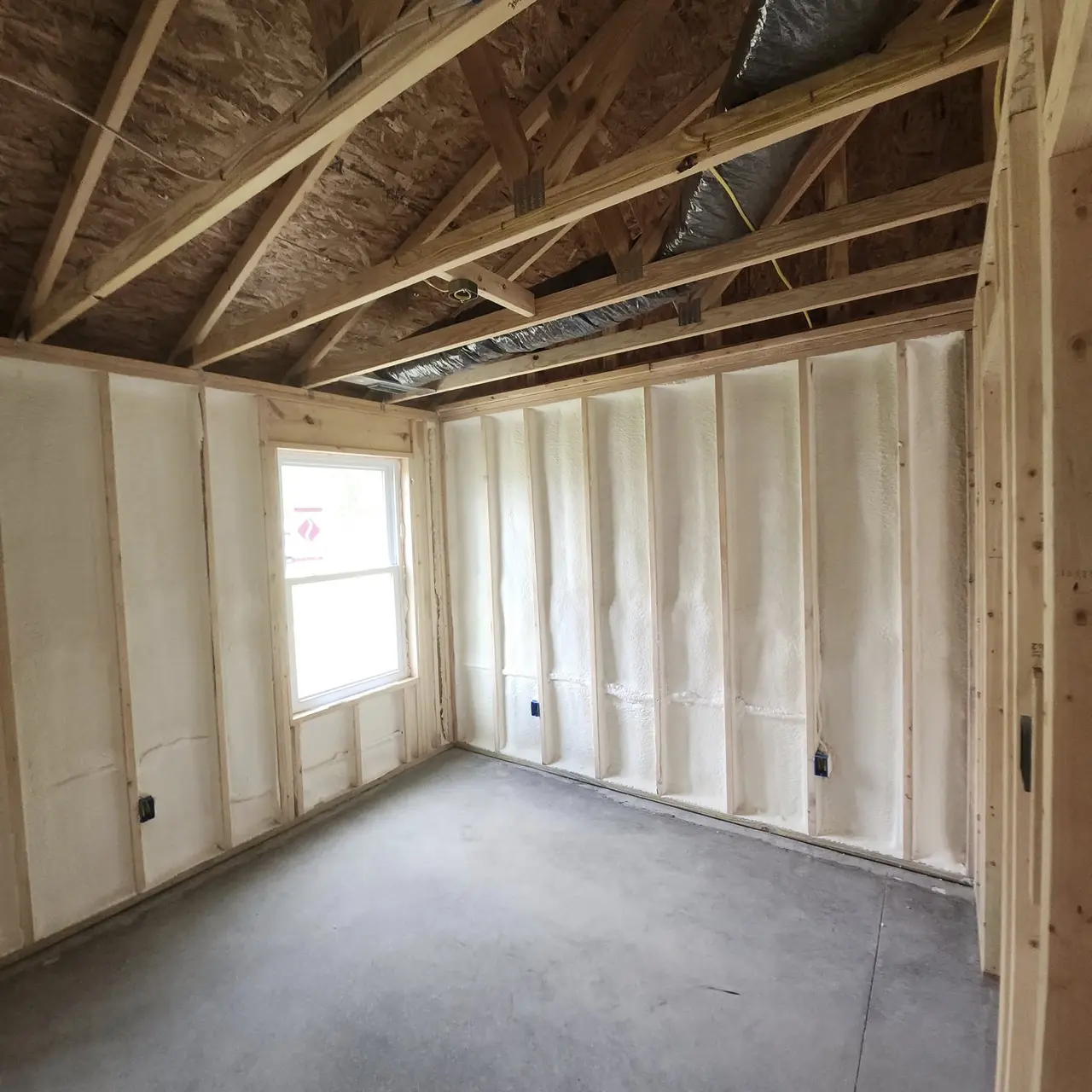
Understand the Importance of a Home Energy Audit
A home energy audit reveals valuable insights about your energy usage and identifies areas where insulation can make a significant impact.
You might be surprised to learn that even small gaps around windows and doors can result in substantial energy loss. Through an audit, these hidden leaks are exposed, allowing you to address them before investing in insulation.
Moreover, knowing your home’s energy performance leads to smarter choices not just about insulation, but also regarding heating and cooling systems.
This deeper understanding of your home’s energy dynamics isn’t only about comfort; it’s about sustainability. By maximizing efficiency, you contribute to a healthier environment.
In essence, a home energy audit serves as your energy blueprint—it outlines where you are losing energy and highlights the potential savings you can achieve.
Find a Qualified Auditor
Look for certified energy auditors or companies that specialize in home assessments to ensure you receive a thorough evaluation.
But how do you know which auditor to choose? Start by checking their qualifications and customer reviews. A good auditor will have credentials that provide confidence in their expertise.
Think of this as selecting a guide for a journey—you want someone who knows the route well. A qualified auditor will not only identify the areas needing insulation but will also recommend energy-efficient practices tailored to your specific needs.
Ask for referrals from friends or family who have undergone the process. Their experiences can lead you to reliable professionals and save you from potential pitfalls.
Remember, the goal is a thorough and accurate assessment, so take your time to find someone who meets these criteria.
Prepare Your Home for the Audit
Remove obstructions and ensure the auditor has access to all areas of your home, including attics and basements, to provide an accurate assessment.
Preparation might also require a bit of decluttering; after all, we all have areas that could use a tidy-up! Clear out any boxes or items that could block access to critical inspection points.
It’s also a good idea to document your current energy use. Knowing your average monthly energy costs can help the auditor give you better insights.
Additionally, make sure to communicate any specific concerns you have with energy efficiency in your home. This can help the auditor focus on areas you feel are problematic.
Preparing your home not only accelerates the process but also allows for a comprehensive evaluation, saving time and resulting in a more acutely tailored energy plan.
Review the Audit Results and Recommendations
Once the audit is complete, go through the findings with your auditor and understand which insulation solutions will benefit your home the most.
This is the moment where all the insights come together. The auditor will present key details and prioritize recommendations according to the highest potential for energy savings.
Sometimes, the solutions can be surprisingly straightforward, such as sealing gaps or adding insulation to underinsulated areas. Understanding the rationale behind these recommendations will empower you to make informed decisions.
Ask questions during this review; clarity is vital. The more you learn about your home’s performance, the better equipped you will be to implement the recommended changes.
Ultimately, this process is mutually beneficial. While you gain knowledge and insight, auditors refine their strategies to suit your unique situation more effectively.
Taking the First Step Towards Energy Efficiency
Conducting a home energy audit is an essential step towards improving your home’s energy efficiency, especially when thinking about insulation. By understanding where your home loses energy and how to address these issues, you can make informed decisions about insulation that lead to greater comfort and savings. So, don’t wait—start your audit today!