
Cellulose insulation is a fantastic choice for eco-conscious homeowners looking to enhance energy efficiency. However, like any other home improvement, it requires some upkeep to ensure it performs at its best. In this guide, we’ll explore the best practices for maintaining cellulose insulation, addressing potential settling issues and tips for longevity that can save you money and boost your comfort.
Understanding the Basics of Cellulose Insulation
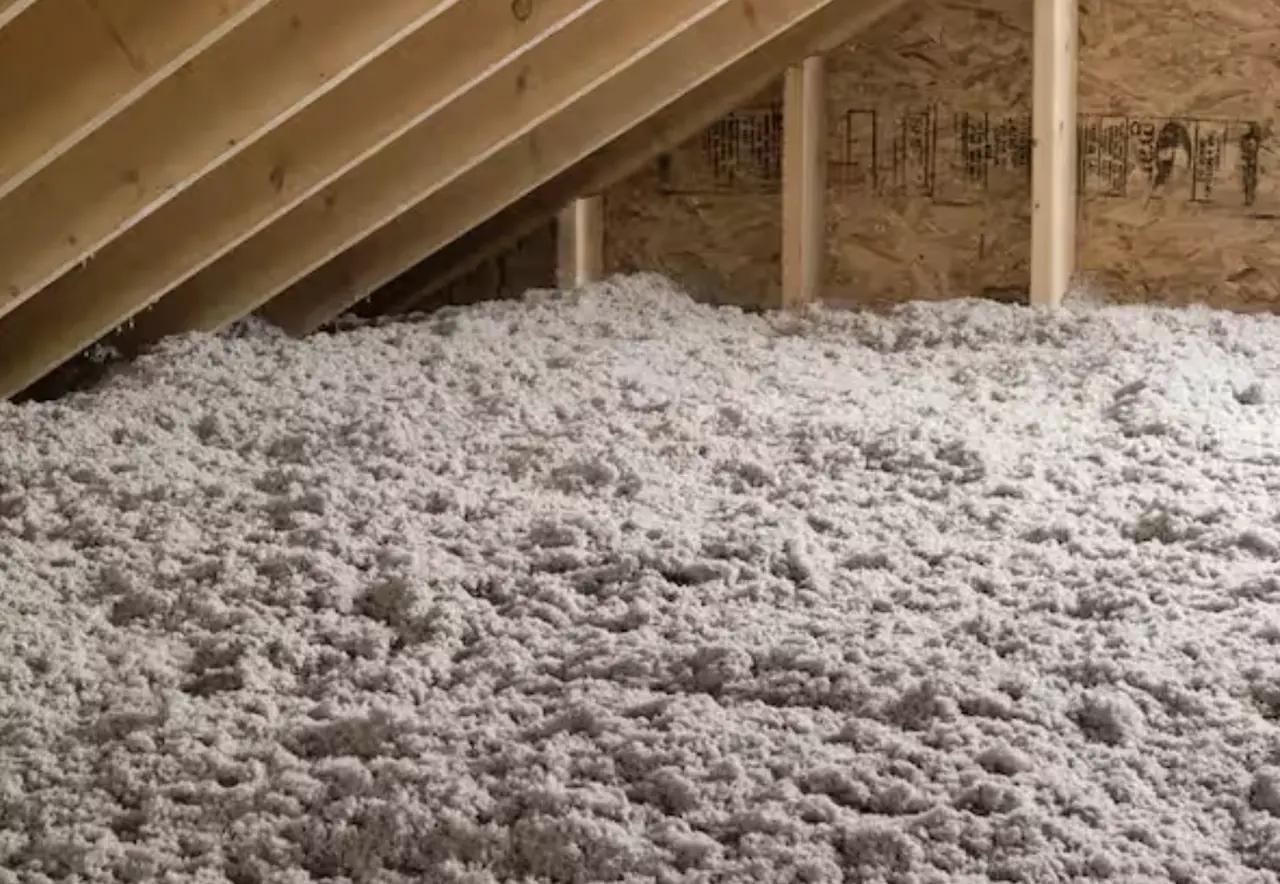
Before diving into maintenance tips, it’s essential to understand what cellulose insulation is and how it works. Made from recycled paper products, cellulose insulation is both effective and environmentally friendly. It typically comes in loose-fill or batt forms and is designed to reduce heat loss and improve energy efficiency.
But why should you choose cellulose over other materials? The answer lies not only in its performance but also in its sustainability. You see, cellulose insulation has a lower carbon footprint compared to traditional fiberglass insulation. Plus, it tends to fill gaps and voids more effectively, ensuring that your home stays cozy during the winter months without breaking the bank on heating costs.
As a homeowner, understanding these fundamentals sets the stage for effective maintenance. When you grasp how cellulose insulation functions, you’re better prepared to recognize when things aren’t quite right and how to take action. This knowledge empowers you not only to help the planet but also to save on energy bills!
Recognizing Settling: Signs to Look For
Over time, cellulose insulation can settle, which may affect its performance. Look for signs such as cold spots in your home, reduced airflow, or visible gaps in coverage. Recognizing these signs early can help you address issues before they escalate.
While some settling is normal, excessive compression can lead to significant drops in insulation value. Pay close attention to your energy bills too—if you notice an unexpected spike, it might indicate that your insulation isn’t doing its job effectively. Also, don’t forget about the technique; using a thermal camera can help detect hidden issues that might not be visible to the naked eye!
Addressing these problems promptly is crucial. A simple phone call to Insulation Hub can get you on the right track, ensuring that your cellulose insulation continues to perform optimally. Being proactive in maintaining your insulation not only saves energy but also keeps your space comfortable year-round.
Regular Inspections: A Key to Longevity
Conducting regular inspections of your insulation can help you catch potential problems early on. Check your attic and crawl spaces periodically for signs of settling or moisture. A quick glance can save you time and money in the long run.
But what exactly should you be looking for during these inspections? Keep an eye out for changes in texture, dampness, or even signs of pest activity. Pests can be a hidden adversary to your cellulose insulation, as they may create gaps or chew through the material, compromising its effectiveness.
Make it a routine to inspect every six months or at least once a year, especially before the heating season. Regular touch-ups can keep your home energy-efficient, and you’ll be able to spot any issues before they turn into costly repairs. Consider hanging a calendar reminder or even jotting it down in your home maintenance checklist!
Combatting Moisture Issues: Protecting Your Insulation
Moisture is one of cellulose insulation’s biggest enemies. Ensure your home is equipped with proper ventilation to prevent moisture buildup. Invest in a dehumidifier if necessary, and address any leaks in your roof or plumbing promptly.
A damp environment can lead to mold and mildew, which not only degrade the insulation material over time but also poses health risks for your family. Always check your ventilation fans in bathrooms and kitchens—make sure they are functioning well and venting air outside rather than into the attic!
Consider adding insulation to pipes in unconditioned spaces too. Insulating these pipes can reduce the risk of condensation, keeping your overall insulation dry and highly effective. After all, your goal is to protect your investment and ensure your home remains cozy without excessive energy costs!
Recharging Your Insulation: When and How to Add More
If you notice significant settling, you may need to add more cellulose insulation. It’s relatively easy to do and can be done by a professional or DIY enthusiast. Just ensure you use the right equipment and follow safety guidelines.
When adding insulation, consider hiring a professional to ensure the job is done right. Improper installation can lead to clumping or insufficient coverage, which defeats the purpose of recharging your insulation. But whether you tackle it yourself or call in the experts, know that this quick fix can greatly enhance your home’s energy efficiency.
Ultimately, maintaining your cellulose insulation should be a part of your home upkeep routine. If you’re ever in doubt about the state of your insulation, don’t hesitate to reach out for help. As we always say, a little proactive care goes a long way!