
Weatherization is an essential process that helps improve energy efficiency and comfort in our homes. This blog will delve into what weatherization means and how insulation significantly contributes to its effectiveness. Let’s break it down!
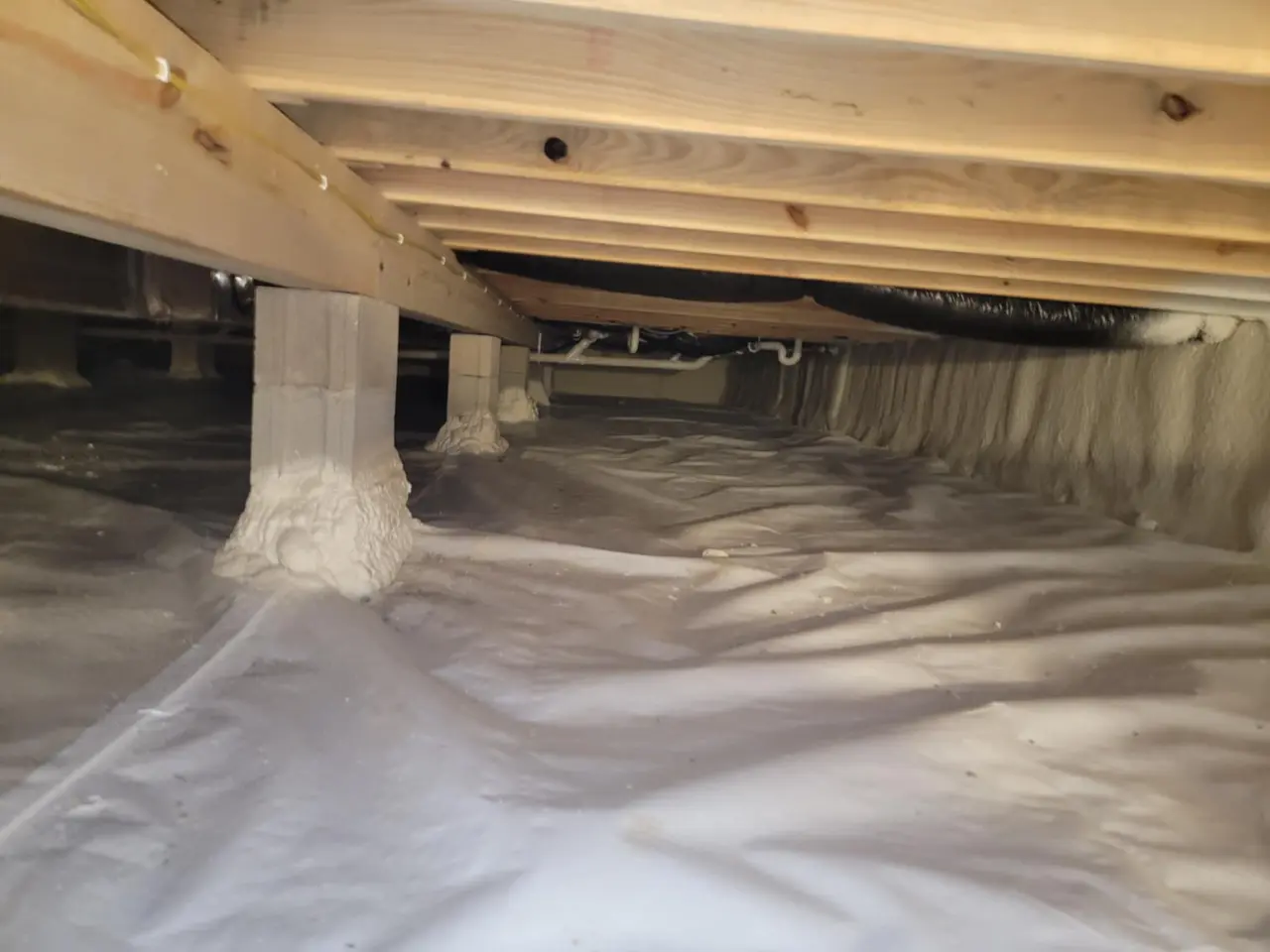
What Is Weatherization?
Weatherization refers to the process of making homes more energy-efficient by reducing air leaks and improving insulation. It involves various methods and materials that help maintain a consistent indoor temperature regardless of external conditions.
In essence, weatherization enhances the comfort of your home. This process ensures that your living spaces remain cozy during cold months and pleasantly cool in the summer heat. It’s about creating a barrier between your comfort and the unpredictable nature outside.
Additionally, successful weatherization can involve a range of services, from caulking and weather-stripping to installing more comprehensive insulation solutions. These actions collectively work together to save energy and reduce greenhouse gas emissions.
Ultimately, when you weatherize your home, you’re not just investing in immediate comfort but also contributing to long-term efficiency and sustainability.
Why Is Weatherization Important?
Weatherization is crucial for several reasons, including energy conservation, cost savings on utility bills, and enhancing the overall comfort of the living space. It also contributes to environmental sustainability by reducing energy consumption.
Consider the impact of rising energy costs on your monthly budget. By implementing weatherization, homeowners can significantly reduce these bills. With reduced energy demands, fossil fuel consumption diminishes, leaving a smaller carbon footprint.
Moreover, a well-weatherized home minimizes the strain on heating and cooling systems, which not only extends their lifespan but also reduces maintenance costs. The benefits compound, leading to an easier, more enjoyable living experience.
On a community level, widespread weatherization efforts can lead to improved air quality and climate resilience. When many homes enhance their energy efficiency, it creates a substantial positive effect on the environment.
The Role of Insulation in Weatherization
Insulation is a key component of weatherization. It helps to trap heat in the winter and keep it out during the summer, significantly impacting a home’s energy efficiency. Different types of insulation materials offer various benefits depending on the climate and building structure.
The type of insulation you choose can make a world of difference. For instance, fiberglass insulation is popular for its affordability and effectiveness, while spray foam offers superior air sealing capabilities. Understanding your specific needs will guide you in selecting the right material.
In addition to temperature regulation, insulation also provides sound dampening benefits. It reduces noise from outside, creating a more peaceful indoor environment. This can be particularly advantageous in bustling neighborhoods.
It’s worth emphasizing that proper installation plays a crucial role in realizing insulation’s full potential. Gaps or improper layering can create weak points, undermining the benefits. This is where consulting experienced professionals can really pay off.
How to Implement Weatherization and Insulation in Your Home
Implementing weatherization techniques involves assessing your home for air leaks, considering insulation upgrades, and possibly consulting professionals. Simple steps like sealing drafts and adding insulation can lead to significant improvements.
Start by conducting a comprehensive energy audit of your home. This can uncover hidden air leaks through windows, doors, and even unsealed joints. The findings will help prioritize what needs attention first.
Don’t overlook simple DIY options as well! Applying caulk to drafty windows and installing weather stripping around doors are inexpensive projects that yield immediate results. You don’t need to undertake a total renovation to make impactful changes.
For larger projects, like adding or upgrading insulation, seeking out professional help might be beneficial. These experts can offer tailored advice based on your specific needs and the unique conditions of your home.
Final Thoughts on Weatherization and Insulation
Understanding weatherization and the role insulation plays can lead to more energy-efficient homes and lower utility bills. By taking the time to weatherize your home, you’re not only enhancing comfort but also making a sustainable choice for the environment.


