
Insulating under your home addition is crucial for energy efficiency and comfort. In this blog, we’ll explore the best insulation options and the steps to successfully insulate underneath your new space.
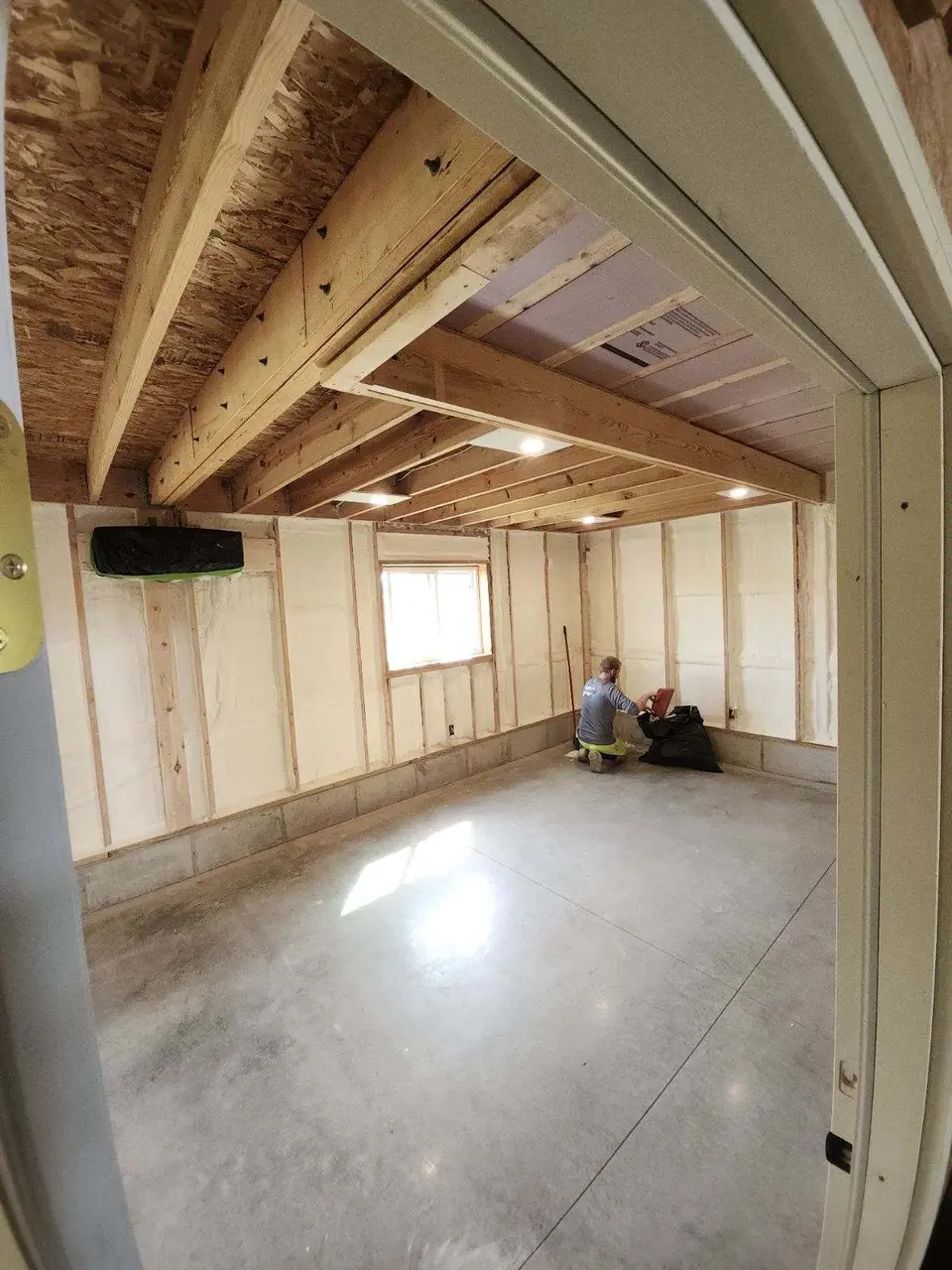
Step 1: Assess Your Space
Before you begin insulating, take a close look at the area beneath your addition. Determine if it’s a crawl space, slab, or basement, as this will influence your insulation choices.
Understanding the type of space you have is foundational. For instance, if you have a crawl space, it might be prone to humidity, requiring specific insulation to handle moisture. On the other hand, a basement setting will have its own challenges and benefits when it comes to insulation.
The existing conditions, such as ventilation and drainage patterns, play a significant role in your insulation strategy. Taking note of these factors early can save you headaches later in the process.
Step 2: Choose the Right Insulation Material
Consider insulation types like fiberglass, foam board, or spray foam. Each has unique benefits depending on your specific needs and the climate in your area.
Fiberglass is often favored for its affordability and effectiveness. However, if you live in an area with extreme temperatures, you might want to consider spray foam insulation for its superior air-sealing properties.
In choosing the right insulation, it’s vital to think beyond just R-value. The application process, moisture resistance, and even eco-friendliness of products can significantly impact your decision.
Make sure to research and perhaps consult with a professional to determine which insulation material will best meet your needs. This step is critical for the long-term performance of your home addition.
Step 3: Prepare the Area
Ensure the area is clean and dry before installation. Remove any debris and assess for moisture issues that may need addressing prior to insulating.
Cleaning the space is more than just tidying up; it involves checking for signs of pests and existing damage. A thorough inspection helps ensure that you don’t cover up problems that could compromise the insulation performance.
If you find moisture, consider investing in a dehumidifier or a drainage system. Addressing these issues now will prevent future complications in the insulation process and maintain a healthy home environment.
Step 4: Install the Insulation
Follow the manufacturer’s instructions for installation. Make sure to secure the insulation properly for maximum performance and avoid any gaps that could lead to energy loss.
Installation can vary greatly depending on the type of insulation chosen. For instance, fiberglass batts will require staples or fasteners, while spray foam will need special equipment.
Pay close attention to the seams and edges, as these are the most common areas where heat may escape. Ensuring a snug fit can make a world of difference in your home’s energy efficiency!
Don’t rush this step. Taking the time for proper installation will pay off in terms of comfort and savings on energy bills in the long run.
Step 5: Seal and Finish
After installation, seal any gaps with caulk or foam sealant. Consider additional barriers or coverings to protect the insulation from moisture and pests.
Sealing is a critical step; even tiny gaps can lead to significant energy loss and moisture problems. Be meticulous in this process to ensure a watertight and air-tight home addition.
Finishing the area is not just about aesthetics. Installing a vapor barrier can add another layer of protection, especially in spaces prone to moisture.
Lastly, remember to keep the area well-ventilated to minimize potential water damage, and check regularly for any signs of moisture or pest intrusion.
Final Thoughts
By understanding your insulation options and following these steps, you can ensure your home addition is comfortable and energy-efficient. Don’t hesitate to reach out to a professional for assistance if needed!