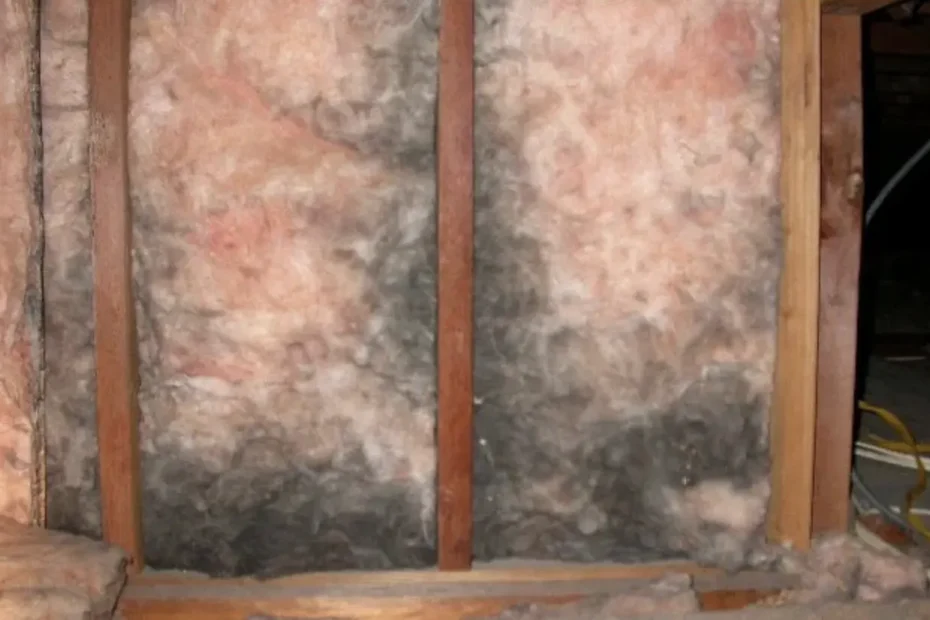
Understanding insulation and its interactions with moisture is crucial for maintaining a safe and comfortable home. In this post, we’ll explore what happens when insulation gets wet, how it can impact your living environment, and the steps to take when moisture intrudes. Let’s delve into this important topic!
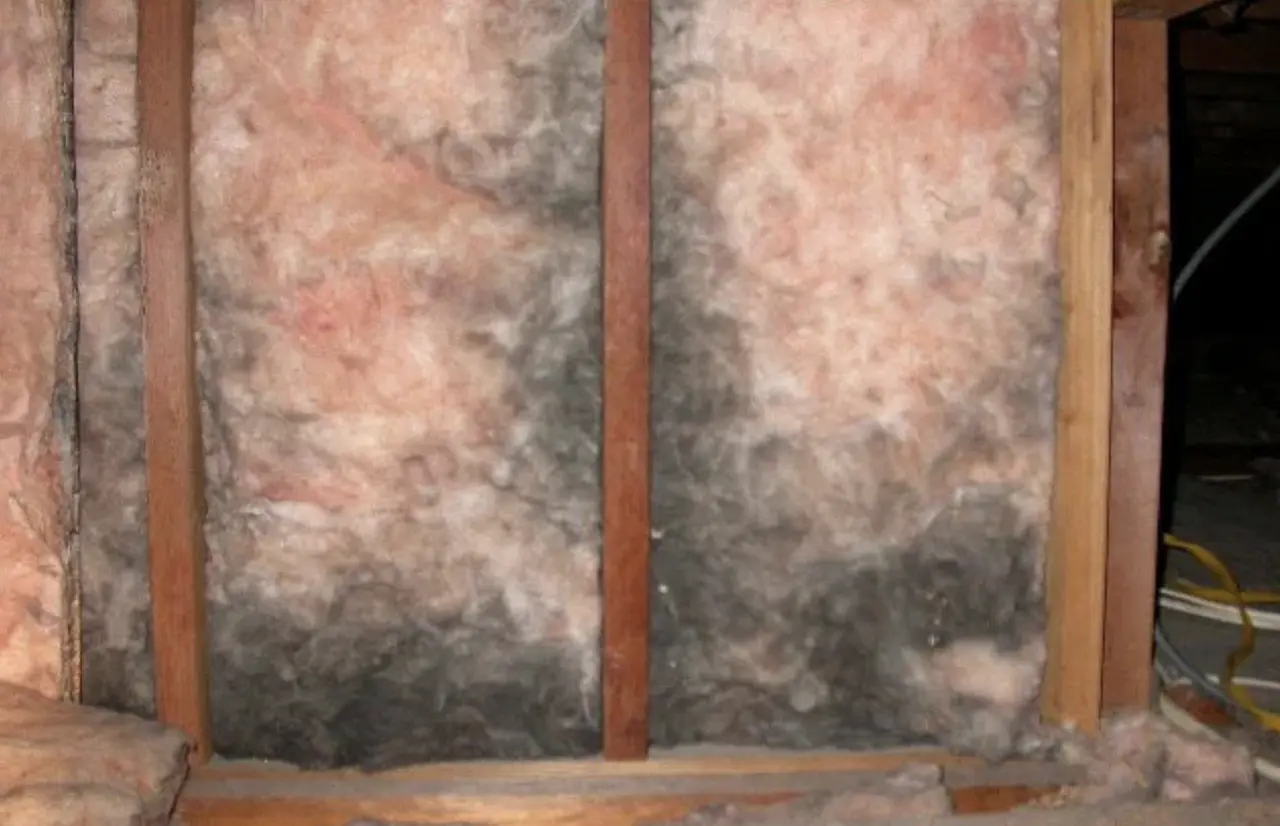
Does Insulation Dry Out?
The honest answer is: sometimes, but not always effectively.
Even when insulation dries:
- It may lose its insulating value
- It may settle or compress
- It may trap moisture in surrounding materials
- It may create conditions for mold growth
Drying does not automatically mean the insulation is still performing the way it should.
What Happens to Different Types of Insulation When Wet
Not all insulation reacts the same way to moisture.
Fiberglass insulation
Fiberglass can dry out, but when wet:
- It loses R-value
- It compresses and settles
- It may trap moisture against wood surfaces
Once compressed, it often does not return to its original performance.
Cellulose insulation
Cellulose is highly absorbent.
When wet:
- It holds moisture for longer periods
- It can clump and settle
- It increases the risk of mold and microbial growth
In many cases, wet cellulose needs to be removed.
Spray foam insulation
Spray foam behaves differently.
- Closed cell foam resists water and can act as a moisture barrier
- Open cell foam can absorb moisture but may dry depending on conditions
Even with spray foam, surrounding materials like wood framing can still be affected.
Common Causes of Wet Insulation (Including High Humidity)
Wet insulation is not always caused by obvious water leaks.
Common causes include:
- Roof leaks
- Ice dams
- Crawlspace moisture
- Plumbing leaks
- Poor ventilation
- High indoor humidity and condensation
How Does High Humidity Cause Water Damage to Insulation?
High humidity is one of the most overlooked causes of wet insulation.
Even without a visible leak, moisture in the air can still lead to water damage through a process called condensation.
Warm air holds moisture. When that warm, humid air comes into contact with colder surfaces, such as roof decking, exterior walls, or metal components, the moisture turns into liquid water.
This is the same reason water forms on a cold glass.
In homes, this commonly happens:
- In attics during winter when warm air rises
- In crawlspaces where moisture enters from the ground
- In poorly ventilated areas where humid air becomes trapped
Once condensation forms, that moisture is absorbed into nearby insulation.
Over time, this can lead to:
- Damp or saturated insulation
- Reduced insulation performance
- Mold growth and musty odors
- Moisture damage to surrounding materials
Humidity-related damage is often gradual and hard to detect, which makes it one of the more serious long-term risks.
Hidden Problems Wet Insulation Can Cause
Wet insulation isn’t just about reduced efficiency.
It can lead to:
Mold and air quality issues
Moist environments create conditions where mold can grow, especially in enclosed areas like attics and crawlspaces.
Structural damage
Moisture trapped against wood can lead to:
- Rot
- Warping
- Long-term deterioration
Reduced energy efficiency
Even slightly damp insulation can lose effectiveness, allowing heat to escape more easily.
Odors
Musty smells often develop when insulation stays damp for extended periods.
When Wet Insulation Needs to Be Removed
In many situations, wet insulation should be replaced rather than left in place.
Removal is typically recommended when:
- Insulation has been wet for an extended period
- There are signs of mold or odor
- The insulation has compressed or settled
- The moisture source was significant (roof leak, flooding, heavy condensation)
Leaving damaged insulation in place can allow problems to continue unnoticed.
Why Dry Isn’t Always “Good”
One of the biggest misconceptions is that once insulation dries, everything is fine.
But insulation performance depends on:
- Thickness
- Air pockets
- Proper installation
Once those are compromised, the insulation may no longer perform as intended, even if it feels dry.
How to Prevent Wet Insulation
The best approach is preventing moisture issues in the first place.
This includes:
- Proper air sealing
- Adequate ventilation
- Managing indoor humidity
- Addressing leaks quickly
- Ensuring insulation is installed correctly
Insulation works best as part of a complete system, not as a standalone solution.
Get a Professional Evaluation
If you suspect insulation has been exposed to moisture, a professional inspection can help determine:
- Whether the insulation is still performing
- If removal is necessary
- What caused the moisture issue
- How to prevent it from happening again
Get a detailed quote
We can evaluate your insulation, identify any moisture-related issues, and recommend the right next steps.
No pressure. Just clear answers.
FAQs
Can insulation dry out and still work?
Sometimes, but not always. Even if insulation dries, it may lose effectiveness or create hidden moisture issues.
Should wet insulation be replaced?
In many cases, yes. Especially if it has been wet for a long time, has settled, or shows signs of mold.
Is wet insulation dangerous?
It can be. Moist insulation can contribute to mold growth and poor indoor air quality.
How do I know if my insulation is wet?
Signs include:
- Musty odors
- Visible staining
- Increased humidity
- Reduced comfort
Can high humidity cause wet insulation?
Yes. High humidity can lead to condensation, which can soak insulation over time even without a visible leak.