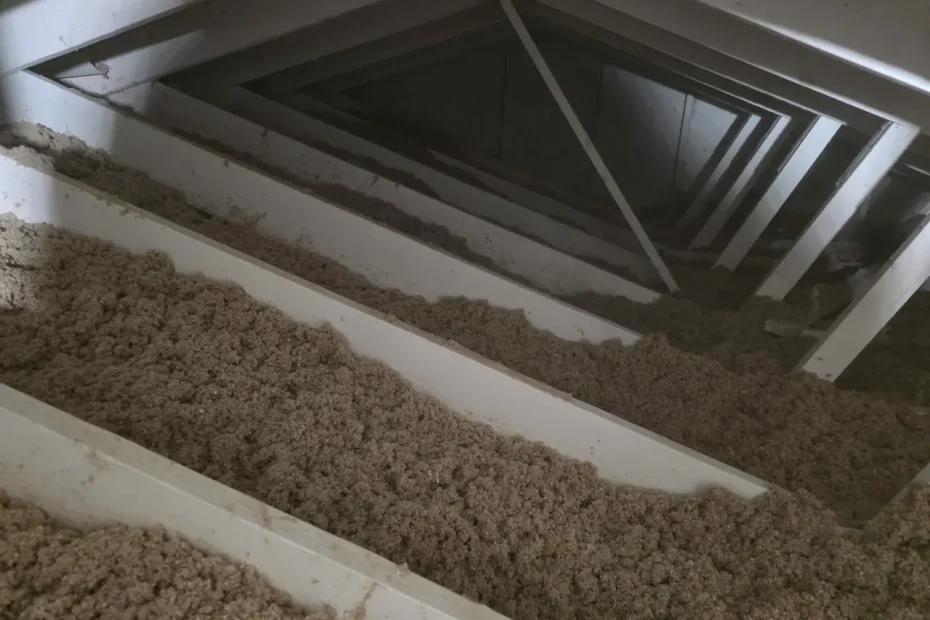
If you’re considering blown-in insulation for your home, you might have questions about the mess it can create during installation. In this article, we’ll explore what you can expect and how to prepare for this process, ensuring your home remains as clean as possible.
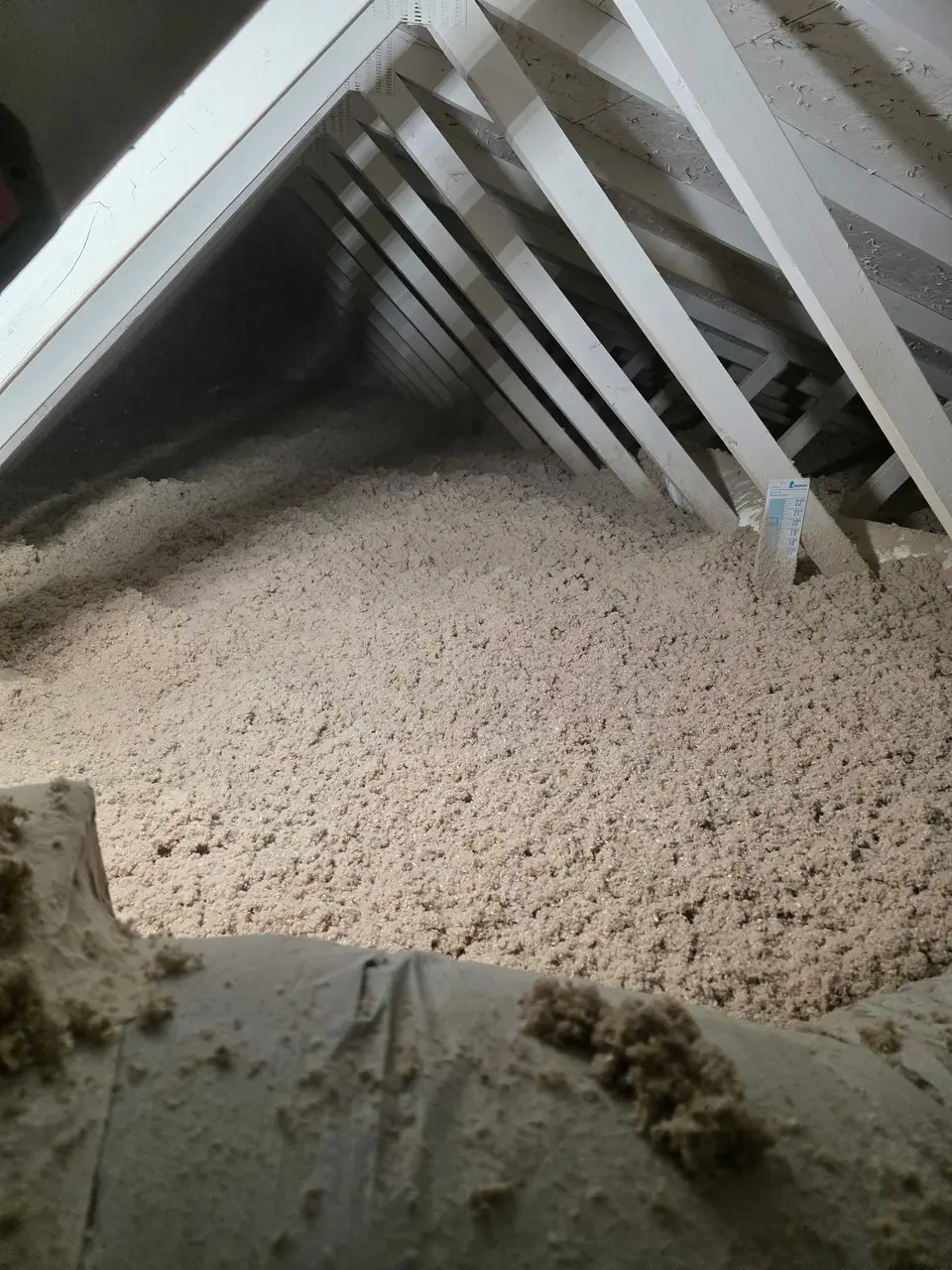
Understanding Blown-In Insulation
Blown-in insulation consists of small particles that are blown into wall cavities or attics. It’s known for its excellent thermal performance and coverage compared to traditional batts of insulation. One of its key advantages is its ability to fill hard-to-reach areas, ensuring that there are no gaps left behind. This characteristic makes it an increasingly popular choice for homeowners.
What many homeowners may not realize, however, is that while blown-in insulation provides superior energy efficiency, it can also be a tad messy during installation. This contrast between benefit and inconvenience is essential to understand before embarking on the journey of insulating your home.
The Installation Process Explained
During installation, professionals use a special machine to blow insulation into spaces. This process, while efficient, is where most of the perceived mess comes from. The machine generates airflow that propels the insulation material, which can cause small particles to escape the targeted areas. While professionals strive to minimize this effect, it’s not uncommon for some insulation to drift into unwanted spaces.
Furthermore, the sound of the machine and the sight of insulation flowing can feel overwhelming. But rest assured, this whirlwind of activity often leads to significant energy savings and a more comfortable home environment—a worthwhile trade-off for a temporary mess.
What Makes It Messy?
Blown-in insulation can create dust and debris, and there’s a risk of some material escaping its intended area. This can lead to a bit of a cleanup after the job is done. The tiny particles may find their way onto surfaces, and you might notice a fine layer of dust in nearby rooms. Although this may seem daunting, knowing this in advance can help you prepare.
Moreover, it’s essential to understand that the mess is often temporary. Once the job is completed, most professionals will conduct a thorough cleanup, but some residual dust may still linger. It’s just a small part of a much larger picture—improved insulation that enhances your home’s energy efficiency.
How to Prepare Your Home
Before the insulation installation, clear the areas around your home where work will be done. Cover furniture and seal off rooms to minimize dust and mess. Moving items out of the way not only protects them but also allows the professionals to work more efficiently.
Additionally, consider placing drop cloths on floors and staircases. This provides an extra layer of protection against the dust and particles that can accumulate during the installation process. Having a clean workspace can also promote a positive atmosphere for the crew, boosting their productivity and efficiency.
Tips for a Cleaner Installation
Hire experienced professionals who will have strategies in place to contain and clean up any mess. Communicate your concerns before the installation begins; this will empower the team to take additional measures to address your specific worries.
Establishing clear communication helps set expectations for both you and the installers. You can ask about their cleanup procedures and ensure they align with your comfort level regarding mess. Many reliable companies have processes to safeguard your home from unnecessary fallout.
Finally, after the insulation is completed, don’t hesitate to check in with the installation team. Ask questions, and be proactive in ensuring that you are satisfied not only with the insulation’s performance but also how clean your home looks post-job.
Is blown-in insulation messy during installation?
Blown-in insulation can create some dust during installation, but experienced installers use hoses, controlled application methods, and cleanup procedures to keep the mess minimal.
Will blown-in insulation get all over my house?
In most attic applications, the insulation is installed directly into the attic space using a hose from outside or through controlled access points. It should not spread throughout your living areas when installed properly.
Do I need to move furniture before blown-in insulation?
Usually no, unless installers need access to a specific attic hatch or wall area. Clearing the immediate work area is often enough.
How long does cleanup take after blown-in insulation?
Most jobs include same-day cleanup. A professional crew should leave the work area clean and ready to use.
Is blown-in insulation dusty afterward?
There may be minor dust during installation, but lingering dust should be minimal when the job is performed correctly.
Does blown-in insulation damage drywall or ceilings?
No. Properly installed blown-in insulation is designed to sit on attic floors or inside wall cavities without damaging finished surfaces.
Can blown-in insulation be installed in finished homes?
Yes. Many blown-in insulation projects are completed in occupied homes with little disruption.
Is blown-in insulation worth the inconvenience?
For many homeowners, yes. The temporary inconvenience is often small compared to the long-term benefits of improved comfort and lower energy bills.
Is blown-in insulation messy compared to spray foam?
Blown-in insulation is typically less invasive than some spray foam projects and often installs quickly, though each home and application is different.