If you’ve ever found yourself sweating upstairs during the hot summer months while your downstairs remains pleasantly cool, you’re not alone. Many homeowners experience this frustrating phenomenon. In this FAQ, we’ll explore the reasons behind this heat disparity and uncover solutions to ensure your upstairs stays comfortable year-round.
Understanding Heat Distribution in Your Home
Learn how heat rises and why your upstairs tends to become a sauna during summer months.
Heat distribution is often misunderstood in homes. The basic principle is that warm air is lighter than cool air, causing it to rise. This is why your upstairs feels significantly hotter during summer. As your home heats up, the warmer air accumulates in the upper levels, where it has nowhere to go. Understanding this natural phenomenon is crucial to tackling the issue effectively.
Additionally, factors like your home’s design and materials can impact how heat moves through spaces. For instance, houses with high ceilings or open staircases may facilitate heat rising, exacerbating the temperature differences between floors.
The Role of Insulation
Explore how inadequate insulation affects temperature and what materials are best for your upstairs.
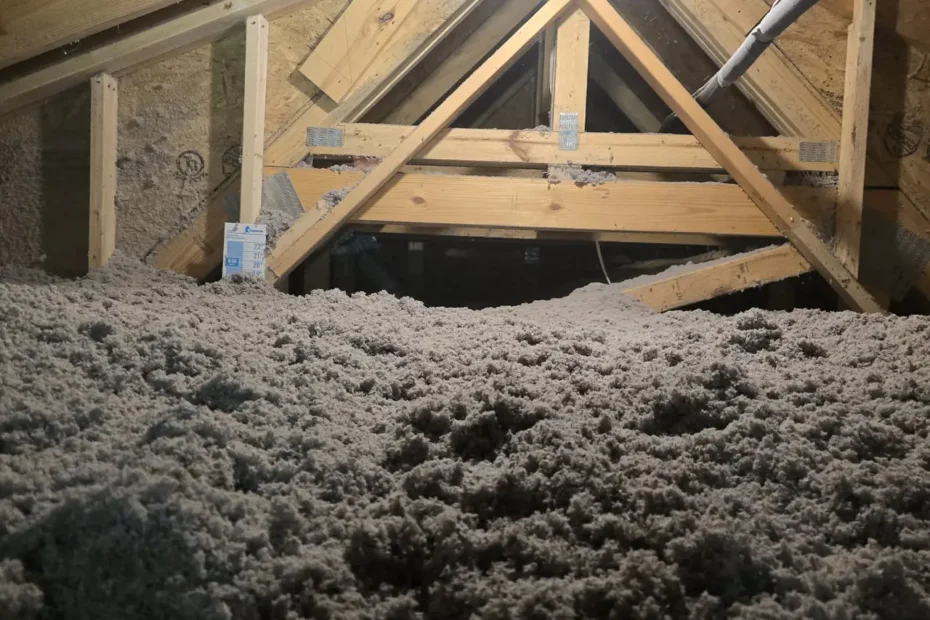
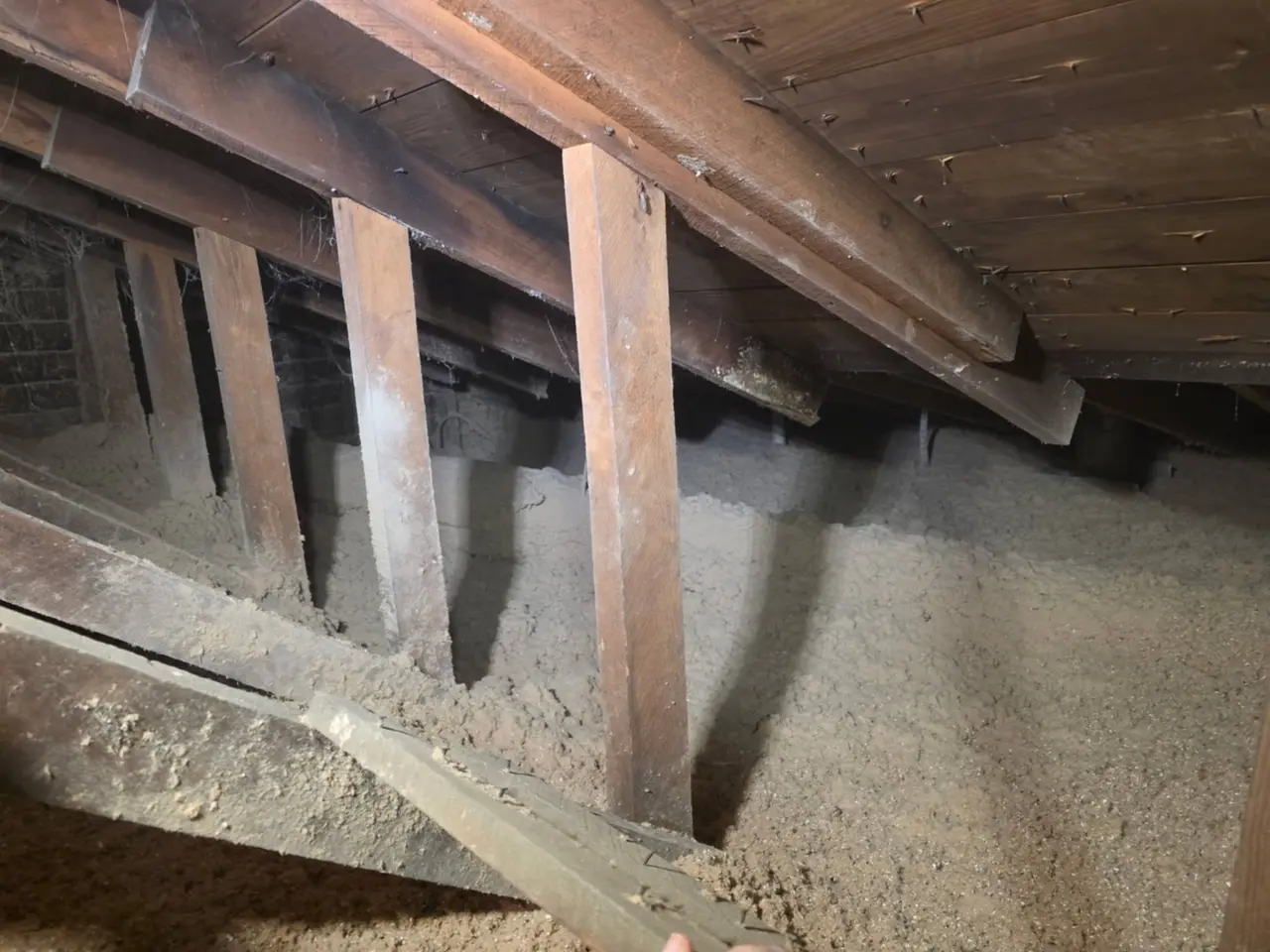
Insulation plays a pivotal role in regulating indoor temperatures. If your upstairs is excessively hot in the summer, it may be a sign that the insulation is insufficient or outdated. Proper insulation keeps the cool air in and the hot air out, maintaining a comfortable environment. Common insulation materials include fiberglass, foam, and cellulose, each with varying levels of effectiveness.
Poor insulation not only affects comfort but can also lead to increased energy bills, as your HVAC system works harder to compensate for the heat loss. Thus, investing in high-quality insulation materials tailored for your upstairs could yield long-term benefits, ensuring your space stays cool in summer and warm in winter.
Furthermore, areas like attics and crawl spaces are often neglected when it comes to insulation. Yet these spaces significantly contribute to heat accumulation. By ensuring adequate insulation in these regions, you can create a more balanced climate throughout your home.
Ventilation Issues
Identify common ventilation problems that can trap heat upstairs and how to rectify them.
Ventilation is another critical factor in maintaining comfortable upstairs temperatures. Poor ventilation can trap heat, resulting in elevated temperatures during hot months. Common ventilation issues may include blocked vents, inadequate airflow, or outdated fans that don’t operate efficiently.
An effective way to enhance ventilation is by installing exhaust fans or ensuring existing ones are functioning properly. Regular maintenance, like cleaning filters and checking for obstructions, can make a significant difference. Also, consider strategies like opening windows during cooler parts of the day to promote airflow.
In addition, you might want to look into whole-house ventilation systems that work to exchange stale indoor air with fresh outdoor air. Good ventilation not only assists in controlling temperatures but also improves indoor air quality, creating a healthier living environment.
Using Fans and Air Conditioning Effectively
Discover strategies for using fans and air conditioning to cool your upstairs more efficiently.
Using fans and air conditioning effectively is key to keeping your upstairs comfortable. Ceiling fans can create a wind-chill effect, making you feel cooler even at higher temperatures. It’s essential to ensure they’re rotating counter-clockwise in the summer to generate a breeze.
Air conditioning systems should be adequately sized for your home. An HVAC system that is too small will struggle to cool an upstairs efficiently, while an oversized unit may cool too quickly, leading to ineffective dehumidification. Additionally, strategically placing window units or portable fans can provide targeted cooling where you need it most.
Another tip is to use programmable thermostats that allow you to set cooling schedules. By programming the system to cool your upstairs during peak heat hours, you can significantly enhance comfort while saving on energy costs.
When to Consider Upgrading Your HVAC System
Find out when it makes sense to invest in a more powerful or efficient HVAC system for your home.
There comes a time when fixing ventilation or adding insulation might not be enough to solve the problem of an overheating upstairs. If your current HVAC system is older, inefficient, or consistently struggles to cool your home, it may be time for an upgrade. Newer models are designed with high energy efficiency in mind, which can lead to substantial cost savings over time.
Furthermore, consider factors like your home’s square footage and layout. If you frequently experience temperature imbalances between floors, an upgraded system may help distribute air more evenly, enhancing overall comfort. Be sure to consult with HVAC professionals to determine the best options tailored to your home’s specific needs.
Lastly, keep in mind that investing in an upgraded HVAC system not only improves comfort but can also increase the value of your home, making it a worthwhile decision for the long run.
Final Thoughts on Keeping Your Upstairs Comfortable
By understanding the factors that cause your upstairs to heat up in the summer, you can take proactive steps to improve insulation and ventilation. This will not only enhance your comfort but also increase your home’s energy efficiency.