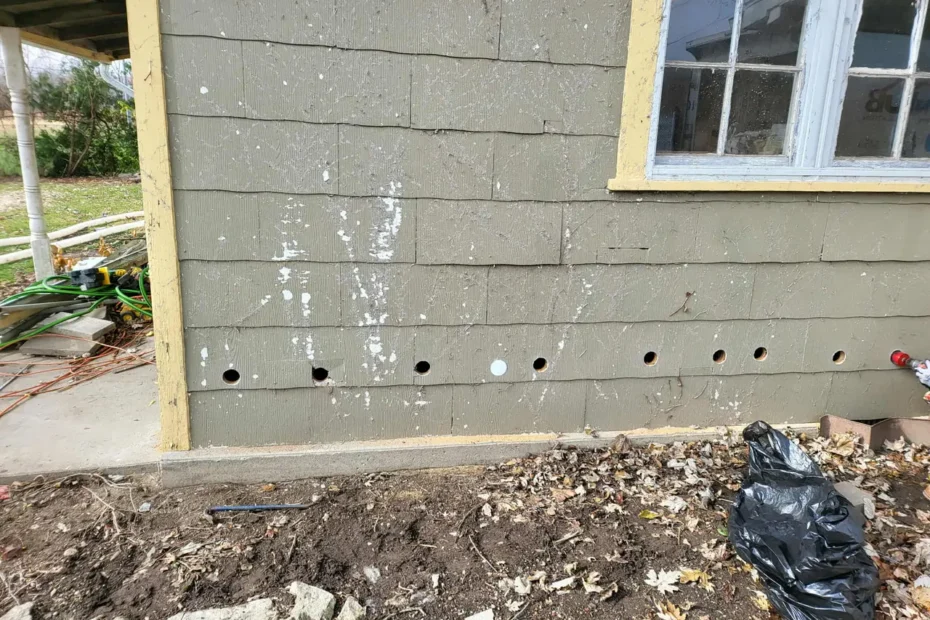
One of the most common questions homeowners ask during an insulation inspection is:
“Can we just add more insulation over what’s already there?”
The answer is often yes—but not always.
In some homes, adding new insulation over existing insulation is a cost-effective way to improve comfort and energy efficiency. In other cases, removal should happen first.
The key is understanding the condition of the insulation already in your home.
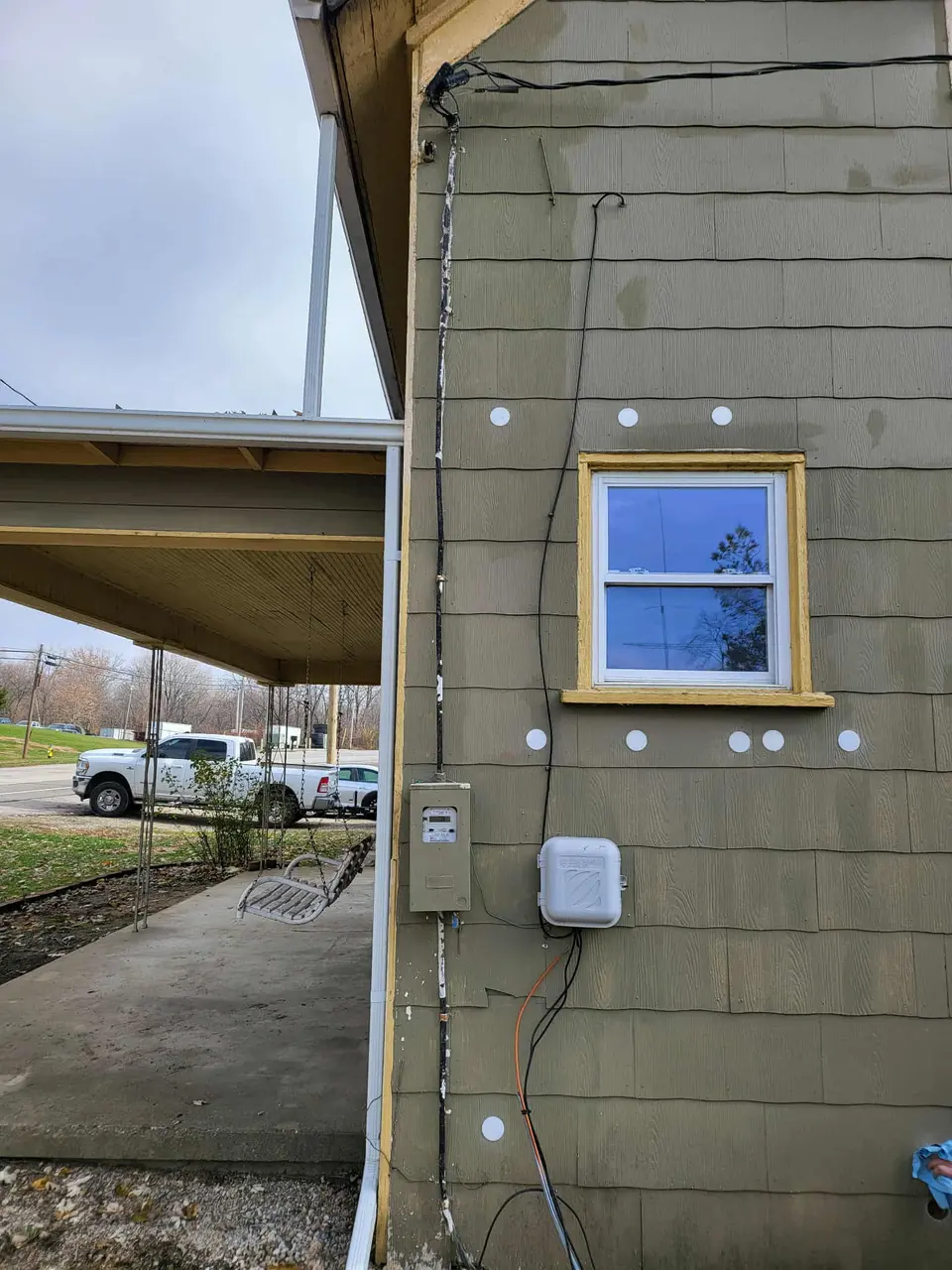
When Adding New Insulation Makes Sense
If the existing insulation is:
- Dry
- Clean
- Free of contamination
- Relatively intact
then adding additional insulation is often a practical option.
Many attic upgrades involve blowing new insulation over existing fiberglass or cellulose to achieve recommended R-values.
This can improve:
- Energy efficiency
- Comfort
- Temperature consistency
- Heating and cooling costs
When Existing Insulation Should Be Removed First
There are situations where covering old insulation is not recommended.
Wet Insulation
Insulation that has been exposed to water often loses effectiveness.
Water damage can result from:
- Roof leaks
- Plumbing leaks
- Condensation issues
Wet insulation should typically be removed and replaced.
Rodent Contamination
Rodent droppings, nesting materials, and urine can contaminate insulation.
In these situations, removal is often the best course of action.
Mold Growth
If mold is present, covering it up does not solve the problem.
The moisture source should be addressed and affected insulation removed.
Severe Compression
Over time, insulation can become compacted and lose performance.
In some cases, removal and replacement may provide better results than simply adding more material.
Why More Insulation Isn’t Always the First Answer
Many homeowners assume comfort problems automatically mean they need more insulation.
Sometimes the issue is actually:
- Air leakage
- Poor ventilation
- Moisture problems
- Ductwork issues
That’s why inspections are so important.
Adding insulation without addressing these issues may produce disappointing results.
The Importance of Air Sealing
Before adding insulation, it’s often beneficial to address major air leaks.
Common locations include:
- Plumbing penetrations
- Electrical penetrations
- Attic access points
- Recessed lighting
- Top plates
Air sealing can significantly improve the effectiveness of new insulation.
How Contractors Evaluate Existing Insulation
During an inspection, contractors typically evaluate:
- Depth
- Condition
- Moisture levels
- Contamination
- Air leakage
- Ventilation
The goal is to determine whether existing insulation can remain or if removal is necessary.
Final Thoughts
Adding insulation over existing insulation is often possible—but every home is different.
The best way to determine the right approach is through a professional inspection that evaluates the condition of the existing material and identifies any issues that should be addressed first.
FAQs
Can I put new insulation over old insulation?
Often yes, provided the existing insulation is dry, clean, and in good condition.
Should old attic insulation be removed?
Not always. Removal is usually recommended when insulation is wet, contaminated, moldy, or severely damaged.
Can wet insulation be covered up?
No. Wet insulation should generally be removed and the moisture source corrected.
Does adding insulation save money?
It can improve efficiency and reduce heating and cooling costs when installed properly.
How do contractors determine whether insulation should be removed?
They evaluate moisture, contamination, condition, performance, and overall project goals.