
Understanding when to replace insulation in your home can save energy and improve comfort. In this guide, we’ll discuss the key signs that indicate it might be time for an insulation upgrade and the steps to take for proper replacement.
Recognizing the Signs of Deteriorating Insulation
Look for signs such as higher energy bills, drafts, or inconsistent temperatures throughout your home.
One of the most telling indicators of failing insulation is noticeably increased energy costs. If you find your heating or cooling bills climbing without a change in usage, it’s wise to investigate.
Often overlooked, drafts can indicate that insulation is no longer doing its job. If you feel cold air blowing through outlets, windows, or doors, it’s time to take a closer look at your insulation.
Inconsistent temperatures between rooms can be frustrating. If certain areas of your home are far warmer or cooler than others, your insulation may be compromised, necessitating replacement.
Lastly, visible signs such as mold or a musty smell can indicate moisture issues linked to poor insulation. This is not just an inefficiency issue; it can also pose health risks.
Identifying Types of Insulation
Different types of insulation such as fiberglass, foam, and cellulose have unique properties that can affect when they need replacement.
Fiberglass insulation is common but may settle over time, reducing its effectiveness. Knowing how long it’s been installed can guide you on its replacement.
Foam insulation, often used for its excellent air sealing properties, can last a long time. However, it may degrade if exposed to moisture, necessitating a replacement sooner than expected.
Cellulose insulation, made from recycled paper, is eco-friendly but can deteriorate with water exposure. Understand its lifespan and the factors that affect it to determine the need for replacement.
By understanding the different types of insulation and their characteristics, you can better assess their lifespan and be proactive in planning for replacements.
Assessing Insulation in Your Home
Conduct a thorough inspection in attics, walls, and crawl spaces to determine the condition and effectiveness of your existing insulation.
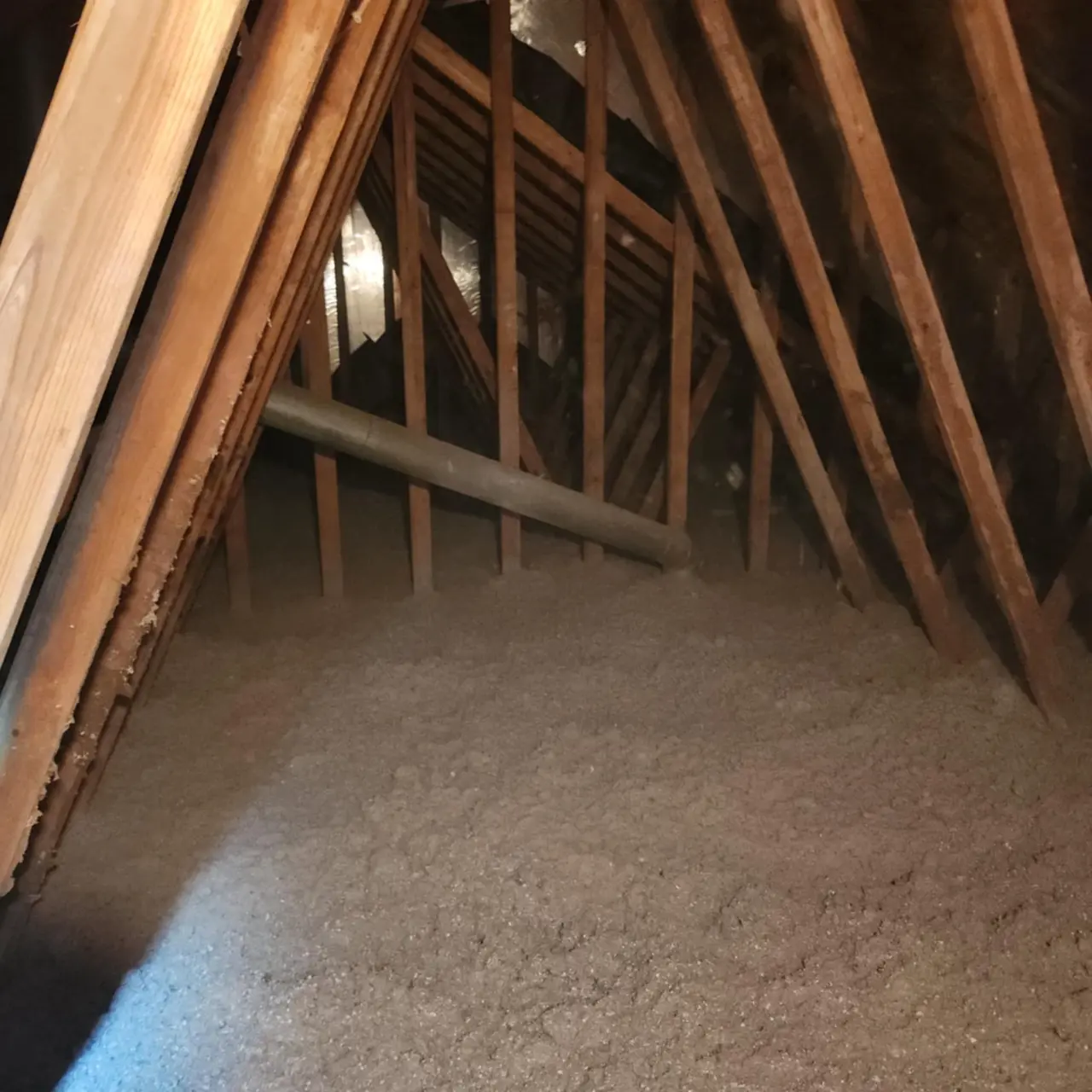
Start with the attic, where insulation often settles and becomes less effective. Make sure to check for any gaps or compression. This is a critical area that can significantly impact your energy efficiency.
Next, examine walls for signs like uneven temperatures or drafts. A thermal imaging camera can help identify hidden insulation issues without invasive checks.
Don’t forget about crawl spaces, where moisture can lead to insulation damage. Ensure that insulation is dry and in the right place; neglected areas can lead to bigger issues.
Regular inspections will help you stay ahead of potential problems. By keeping track of your insulation condition, you can plan for replacement before it affects your comfort.
The Replacement Process: What to Expect
Learn the steps involved in replacing insulation, including choosing materials, preparing the area, and ensuring a proper installation.
The first step in the replacement process is selecting the right insulation for your needs, taking into account factors like R-value, material type, and cost.
Once the materials are chosen, prepare the area. This might involve clearing out old insulation or addressing any issues like leaks that could compromise the new insulation.
Installation is key; whether you’re doing it yourself or hiring professionals, ensure that the insulation is installed correctly to maximize its effectiveness and prevent future issues.
After installation, take time to double-check your work or the work done by professionals and ensure that everything is sealed correctly. This final step ensures you’ll reap the benefits of your insulation replacement.
Final Thoughts on Insulation Replacement
Replacing insulation might seem like a daunting task, but by recognizing the signs and understanding the process, you can make informed decisions that benefit your home’s efficiency and comfort.