
If your home feels drafty in winter, you are not imagining it.
Many homeowners notice that even when the heat is running, certain rooms feel cold, air seems to move along walls or floors, or the house just never feels sealed. Draftiness is uncomfortable, frustrating, and often misunderstood.
The good news is that winter drafts usually follow predictable patterns. Understanding why they happen is the first step toward fixing them correctly.
Why Drafts Feel Worse in Winter Than Other Seasons
Drafts are caused by air movement, and winter creates the perfect conditions for that movement.
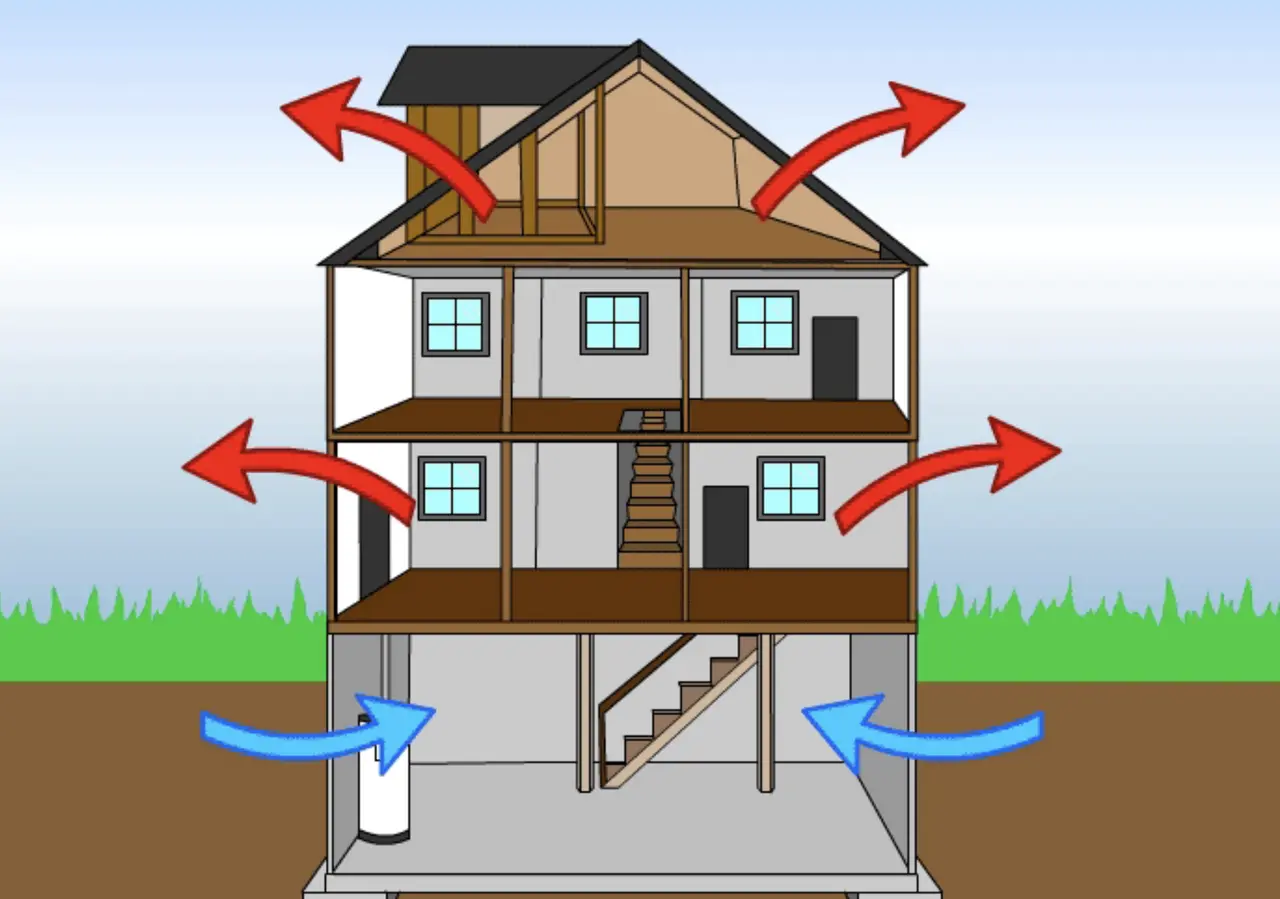
Cold outdoor air is heavier than warm indoor air. When there are gaps or weak points in a home’s envelope, cold air pushes inward while warm air escapes upward. This constant exchange is what creates that drafty feeling.
Because the temperature difference is so large in winter, even small openings can create noticeable airflow.
Drafty Does Not Mean One Big Hole
One of the biggest misconceptions about drafty homes is that there must be one obvious gap or opening.
In reality, winter drafts usually come from many small air leaks working together. Individually they may seem insignificant. Combined, they allow continuous air movement through the home.
This is why draftiness often feels spread out rather than coming from one spot.
Common Ways Drafts Move Through a Home in Winter
Drafts rarely travel in straight lines. Instead, they follow pressure differences created by winter conditions.
Some common patterns include:
- Cold air entering lower levels of the home
- Warm air escaping through upper areas
- Air being pulled through wall cavities or framing gaps
- Pressure changes caused by exhaust fans, dryers, or fireplaces
This creates a loop where cold air is constantly being pulled into living spaces.
Why Drafts Often Appear Near Floors and Walls
Drafty air tends to collect where the structure meets the outdoors.
This is why homeowners often notice drafts:
- Along exterior walls
- Near baseboards
- Around doorways
- In rooms above unconditioned spaces
The air itself may not be visible, but the temperature difference makes it easy to feel.
Why Turning Up the Heat Makes Drafts More Noticeable
Increasing the thermostat does not stop drafts. In fact, it can make them more noticeable.
As indoor air warms, the pressure difference between inside and outside increases. This can actually pull more cold air in through existing leaks.
That is why some homes feel draftier the harder the heating system runs.
Drafts Are Often a Sign of Larger Efficiency Issues
A drafty home usually experiences other symptoms as well, including:
- Uneven room temperatures
- Cold floors
- Higher than expected heating bills
- Rooms that never feel comfortable
Drafts are rarely the only problem. They are often one of the clearest signs that the home is losing conditioned air.
Why Winter Is the Best Time to Identify Draft Problems
Winter makes air leakage easier to detect.
The strong contrast between indoor warmth and outdoor cold highlights airflow paths that are harder to notice in mild weather. This allows inspections to focus on where air is actually moving, not just where insulation exists.
For many homes, winter evaluations provide clearer answers than assessments done in other seasons.
How Draft Problems Are Properly Identified
Because drafts are caused by pressure and air movement, identifying them requires more than visual inspection.
A proper evaluation focuses on:
- How air enters and exits the home
- Pressure differences between levels
- Structural transition points
- How insulation and air barriers are performing together
This approach identifies the cause, not just the symptom.
Fixing Drafts Starts With Understanding the Pattern
There is no single fix for a drafty home.
Effective solutions depend on where air is moving, how it is entering, and why it is being pulled through the structure. Addressing drafts without understanding the pattern often leads to partial improvements and lingering discomfort.
Get a Professional Evaluation for a Drafty Home
If your house feels drafty in winter, the problem is usually not your heating system.
A professional evaluation can help determine:
- Why air is moving through your home
- Where cold air is entering
- What improvements will actually reduce drafts
👉 Get a detailed quote to identify the source of winter drafts and improve comfort the right way.
A home that feels sealed starts with understanding how air moves.