
If your floors feel cold even though your heating system is running, you are not alone. This is one of the most common winter comfort complaints homeowners experience, especially in older homes and homes with basements or crawl spaces.
What surprises many homeowners is that cold floors are rarely a furnace or thermostat issue. In most cases, they are a sign that heat is escaping or cold air is entering from below the living space.
This article explains what cold floors are really telling you and how to identify the source of the problem before guessing at a solution.
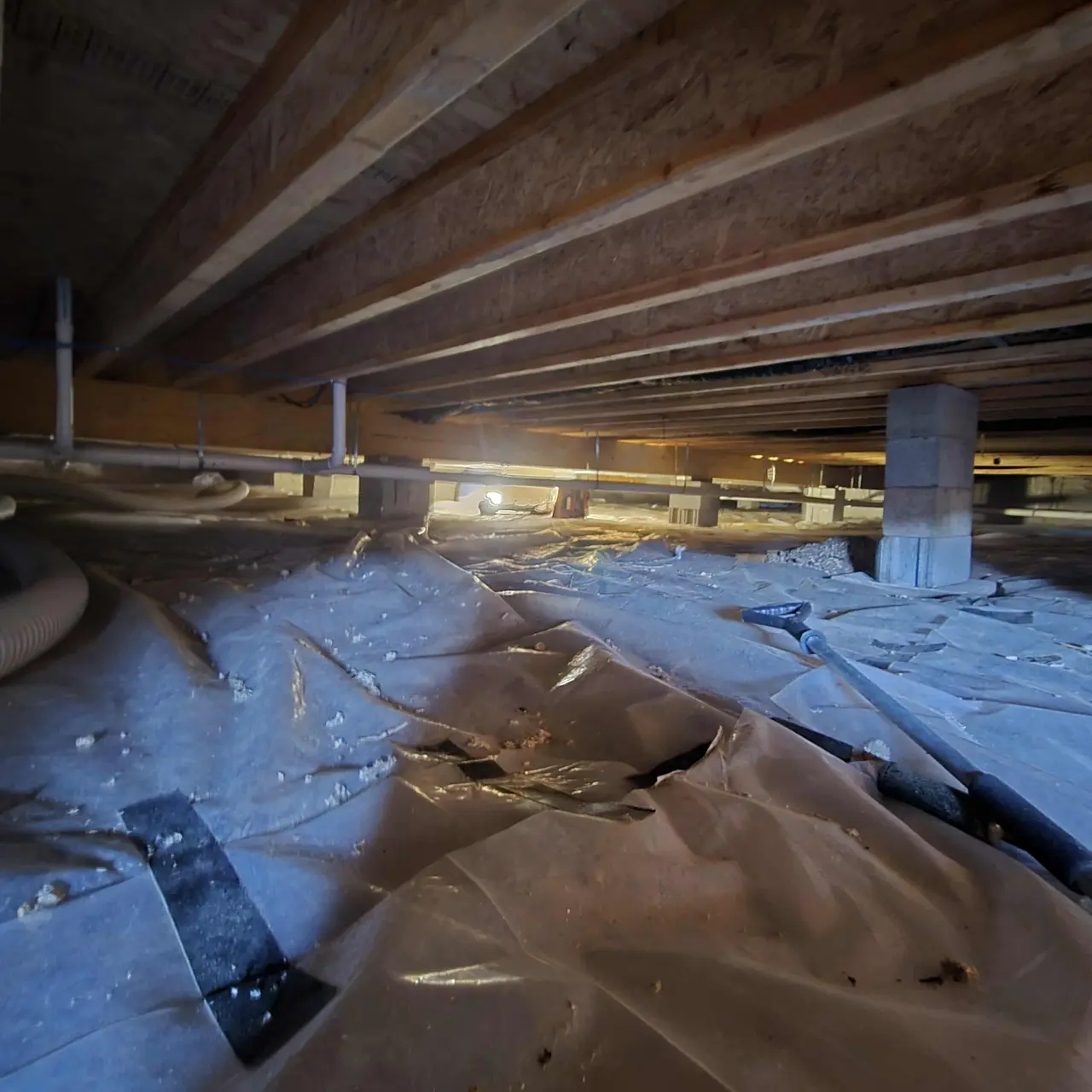
Cold Floors Are Usually a Heat Loss Problem, Not a Heating Problem
When a home struggles to stay warm, the instinct is often to blame the HVAC system. But if the air temperature feels fine while the floors feel cold, the issue is usually heat loss through the structure of the home.
Floors become cold when:
- Cold air moves upward from below the home
- Heat escapes faster than it can be replaced
- Surfaces remain cold even as warm air circulates
This creates discomfort that turning up the thermostat cannot solve.
Why Cold Floors Are More Noticeable in Winter
Winter exaggerates insulation and air sealing problems.
The greater the temperature difference between indoors and outdoors, the more obvious heat loss becomes. Cold floors are often the first clue because flooring materials respond quickly to temperature changes underneath them.
If floors feel noticeably colder in winter, it usually means the layers below the floor are not doing their job.
The Most Common Areas That Affect Floor Temperature
Cold floors are rarely caused by just one issue. They typically result from a combination of factors below the living space.
Areas beneath the floor system
Unconditioned spaces below the home allow cold air to collect and rise. If insulation or air barriers are missing or underperforming, that cold transfers directly into the floor above.
Structural transition points
Where the foundation meets the framing is one of the most common leakage zones in a home. Even small gaps in these areas can create noticeable cold spots along floors near exterior walls.
Insulation continuity problems
Insulation works best when it is continuous. Gaps, compression, or missing sections can cause entire rooms to feel colder even if most of the area is insulated.
Why Cold Floors Often Come with Other Symptoms
Cold floors are rarely an isolated problem. Homeowners who notice them often also experience:
- Drafts near baseboards
- Rooms that feel uneven in temperature
- Higher winter energy bills
- Cold spots near exterior walls
These signs usually point to broader insulation or air leakage issues that affect the whole home, not just the floor.
Why Temporary Fixes Rarely Work
Rugs, slippers, and space heaters may make floors feel warmer temporarily, but they do not address the source of the problem.
Without stopping cold air movement or reducing heat loss below the floor, these fixes only mask the symptom while energy continues to escape.
That is why cold floors tend to return year after year until the underlying issue is identified.
How to Identify the Real Cause of Cold Floors
Because the problem is usually below the living space, identifying the cause requires looking beyond what is visible inside the home.
A proper evaluation focuses on:
- Areas below the floor system
- Structural transitions where air leakage is common
- Insulation coverage and condition
- How air moves through the lower levels of the home
Winter is often an ideal time for this type of evaluation because temperature differences make problem areas easier to detect.
When Cold Floors Signal Bigger Efficiency Issues
Cold floors can be an early warning sign of larger energy efficiency problems. Homes that lose heat through the floor system often also struggle with:
- Rising heating costs
- Moisture concerns
- Long term comfort issues
- Uneven performance from room to room
Addressing the root cause often improves overall comfort, not just floor temperature.
The Right Fix Depends on the Source, Not the Symptom
There is no single solution that works for every home with cold floors. The right improvement depends on where heat loss or air movement is occurring.
That is why diagnosing the problem correctly matters more than choosing a material or product first.
Get a Professional Evaluation for Cold Floors
If your floors are cold even when the heat is running, the issue is likely coming from below your living space.
A professional evaluation can help determine:
- Why the floors feel cold
- Where heat is escaping or cold air is entering
- What improvements will actually make a difference
👉 Get a detailed quote to identify the source of cold floors and address the problem the right way.
Comfort starts with understanding what your home is telling you.
Cold Floors in Winter FAQs
Why are my floors cold even when the heat is running?
Cold floors usually mean heat is escaping or cold air is entering from below your living space. This is often related to insulation or air leakage issues, not your heating system.
Are cold floors a sign of insulation problems?
Yes. Cold floors are one of the most common signs of insulation problems in winter, especially in homes with basements or crawl spaces.
Do cold floors mean I need new floor insulation?
Not always. The issue may be air leakage, missing insulation below the floor, or structural areas allowing cold air in. Identifying the source matters more than replacing insulation blindly.
Why are floors colder near exterior walls?
This often points to heat loss at the edges of the home where the structure meets the foundation. These areas are common leakage points.
Is winter a good time to diagnose cold floor problems?
Yes. Winter temperature differences make heat loss easier to detect, which helps identify the real cause more accurately.