
Insulating your home can significantly enhance comfort and energy efficiency. But what if your walls are already drywalled? Many homeowners wonder if it’s possible to add insulation without the hassle of removing their drywall. In this post, we’ll explore some creative solutions and techniques that allow you to insulate your walls without a major renovation.
Understanding Your Insulation Needs
Before diving into methods, it’s crucial to assess your insulation needs. What type of insulation do you need? Is it for heat retention, soundproofing, or moisture control? Understanding your objectives will help you choose the right approach.
In addition to identifying the type, consider the climate in your area. For instance, those living in colder regions might prioritize thermal insulation, while homeowners in warmer climates could focus more on soundproofing and humidity control. Knowing your local weather patterns can guide you to make informed decisions about the insulation materials that will best serve your needs.
Equally important is assessing the existing situation of your walls. A simple investigation involving tapping or listening for hollow spots can help identify areas where insulation might be lacking. Engaging a professional for an in-home evaluation might also help uncover hidden issues you may not notice.
Exploring Injection Foam Insulation
Injection foam insulation is a popular solution for adding insulation without removing drywall. We’ll discuss how this method works, its benefits, and potential drawbacks, so you can determine if it’s suitable for your home.
This method involves injecting a foam material into the cavities of your walls, filling gaps and voids that conventional insulation can’t reach. One of the main attractions of injection foam is its ability to expand and adhere to surfaces, creating a seamless barrier against air leaks. Not only does this improve your home’s energy efficiency, but it can also enhance resilience against pests, making it a practical choice.
However, no insulation method is without its challenges. Installation can sometimes require professional help due to specialized equipment needed to ensure proper application. Additionally, while foam insulation is durable, it’s essential to check the product specifications, as some types might not be eco-friendly.
Considering Blown-In Insulation Techniques
Blown-in insulation can be a straightforward way to boost your home’s insulation without a complete renovation. Learn about the materials used and the process involved in implementing this technique efficiently.
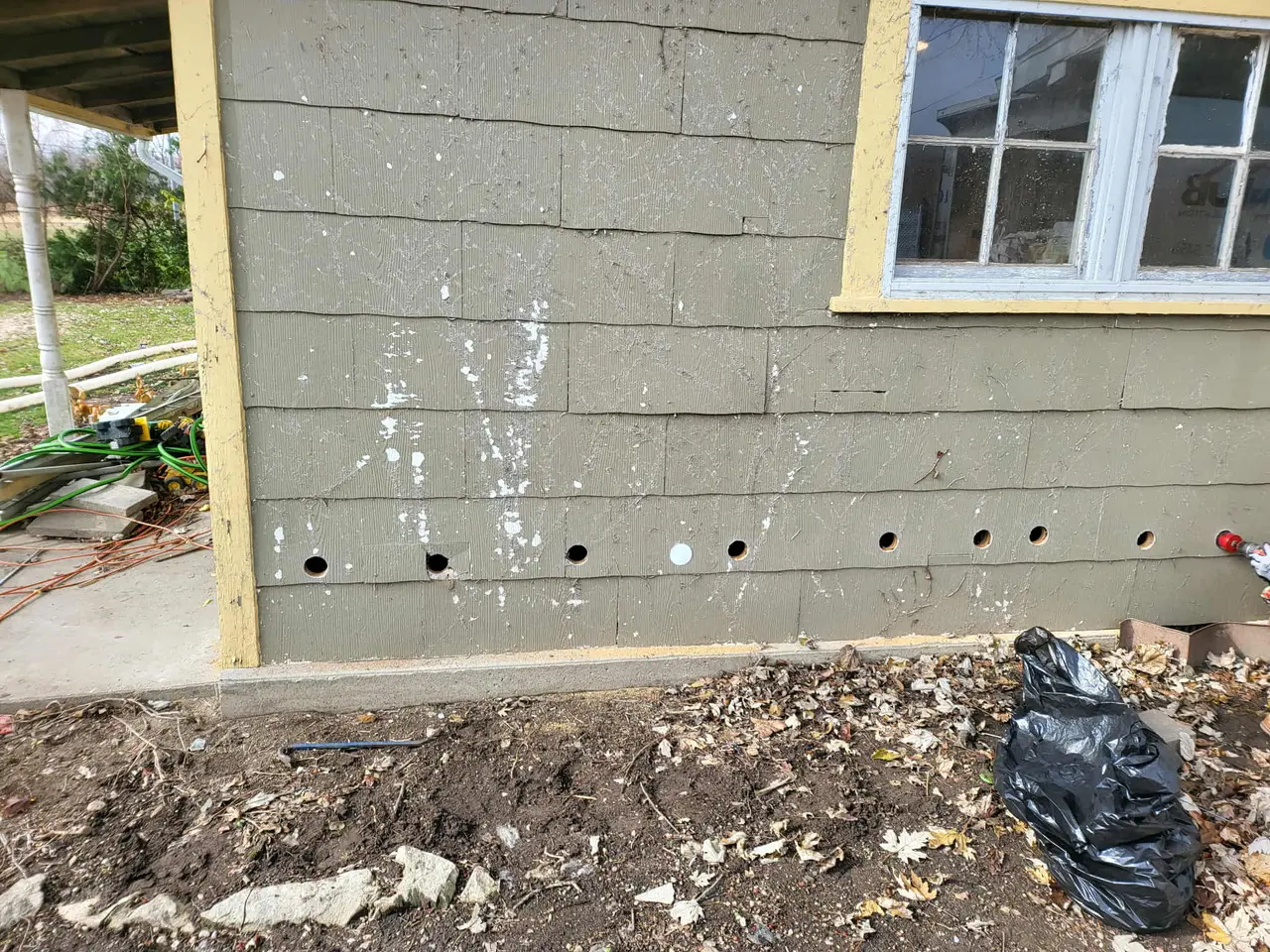
Made from cellulose, fiberglass, or mineral wool, blown-in insulation is an excellent option for those looking for a non-intrusive method. To install, professionals typically create small holes in the drywall. Then, they blow the insulation into the wall cavities until they are filled. This process requires expertise to ensure an adequate and even application, which enhances performance and avoids future issues.
Furthermore, blown-in insulation has the added bonus of being reusable and sustainable, especially when using cellulose made from recycled paper. In addition to environmental advantages, this method often qualifies for energy efficiency rebates, providing you with both comfort and savings. The key to maximizing its efficiency lies in proper installation; if it’s too loose or packed too densely, it can compromise your insulation goals.
Utilizing Rigid Foam Board for Extra Insulation
Rigid foam board insulation presents another viable option. It can be installed directly against existing drywall, providing a layer of insulation and potentially improving energy efficiency while maintaining wall structure.
Not only does rigid foam board offer excellent insulation properties, it is also resistant to moisture and mold. This characteristic makes it particularly appealing in areas prone to dampness, such as basements. The key is to ensure proper sealing at joints and edges to maintain its integrity. If installed correctly, it contributes significantly to lowering heating and cooling bills.
Bear in mind, however, that while foam boards are lighter and easier to handle than many alternatives, they do require careful measurement and cutting for a snug fit. Additionally, some foam types can release volatile organic compounds (VOCs), so choosing eco-friendly materials is wise for your family’s health.
Identifying HVAC and Air Sealing Solutions
Sometimes, insulation isn’t just about adding more material. Air sealing and ensuring your HVAC system is working correctly can make a huge difference. Explore how these factors play a critical role in your home’s overall insulation strategy.
Your HVAC system plays a vital role in maintaining comfortable temperatures while conserving energy. Poorly maintained systems can lead to significant energy loss, which is why regular check-ups are so essential. Heating and cooling equipment that operates efficiently complement any new insulation efforts, yielding better overall performance.
Whether through upgrading your system or ensuring ducts and vents are sealed correctly, addressing air leaks can be as impactful as installing new insulation. Use caulking and weatherstripping to seal gaps around windows, doors, and any entry points. Don’t underestimate the importance of these simple actions; they create a synergistic effect with your insulation methods, maximizing your efficiency and comfort all year round.