
Insulation is crucial for maintaining energy efficiency in our homes, but too much of a good thing can lead to problems. In this blog, we’ll explore how much insulation is actually optimal, what signs indicate you’ve gone overboard, and the potential consequences of excessive insulation.
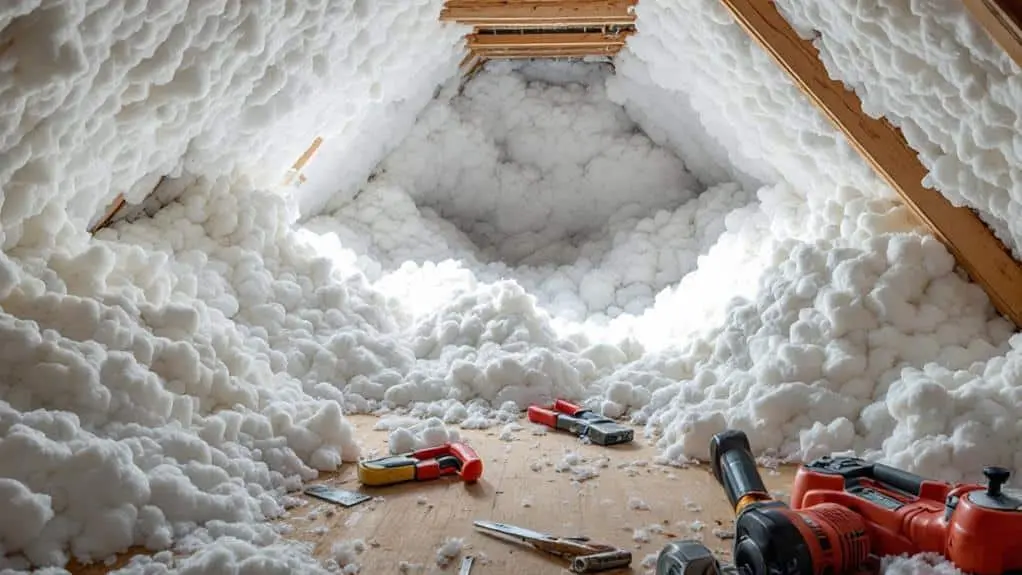
Understanding Insulation Basics
Before we dive into how much insulation is too much, it’s important to understand what insulation is and its primary function in a home.
Insulation is a material that slows down the transfer of heat, helping keep your home warm in the winter and cool in the summer. Essentially, it plays a vital role in maintaining a comfortable living environment.
Most types of insulation work by trapping air and reducing the flow of heat, making homes more energy-efficient. However, knowing how much to install is key to reaping the benefits.
As we explore the concept of insulation, it is vital to comprehend that overdoing it doesn’t necessarily mean more comfort. In fact, it can lead to the opposite effect.
Identifying Optimal Insulation Levels
Learn how to assess the recommended R-values for your area and how to achieve the right amount of insulation.
R-values are a measure of insulation’s effectiveness, and they vary depending on the climate where you live. In colder areas, a higher R-value is necessary to combat the chill, while milder climates may require less.
Consult local building codes or a professional to determine the ideal R-value for your home. This ensures you’re not just guessing but making informed decisions.
Too little insulation means higher energy costs and a less comfortable space. However, too much can indeed lead to various problems, creating a delicate balance to maintain.
Signs You May Have Excessive Insulation
Discover the indicators that suggest you might have too much insulation, including humidity issues and energy bills.
One of the first signs is unusually high energy bills. If your costs are increasing despite making efforts to save energy, excessive insulation could be the culprit.
Another indicator is humidity in your home. If you notice excessive moisture build-up, especially in areas where insulation is heavily packed, it may be time to reassess.
Air flow is also essential; restricted ventilation can be a sign of too much insulation. Homes need to breathe just like we do, and if air cannot flow freely, serious issues may arise.
Can Too Much Insulation Cause Condensation?
Yes. When insulation is packed too tightly or installed without proper ventilation, warm indoor air can get trapped against cold surfaces especially in attics and roof decks. That trapped air naturally cools and turns into condensation. Over time, this constant moisture cycle can saturate insulation, reduce its effectiveness, and create damp pockets that never fully dry out. This is one of the most common issues seen in homes where insulation was added without considering airflow or vapor movement.
Can Too Much Insulation Cause Mold?
Unfortunately, yes. Once condensation builds up inside the insulation layers, it creates ideal conditions for mold growth. Mold thrives in dark, warm, and moist environments, and over-insulated areas often check all three boxes. This doesn’t just threaten indoor air quality it can also damage wood framing, drywall, and attic sheathing. In extreme cases, mold from over-insulation can lead homeowners to believe they have a roof leak when the real culprit is trapped moisture with nowhere to escape.
Consequences of Over-Insulation
Excessive insulation can lead to problems like mold growth and decreased air quality. Understand the risks involved.
One major concern is condensation, especially in attics and crawl spaces, as trapped moisture can lead to mold. Mold thrives in damp, warm environments, and over-insulation creates just that.
Additionally, if there’s too much insulation blocking ventilated areas, air cannot escape. This can not only cause musty odors but also severely impact respiratory health.
Beyond health, over-insulating can result in structural issues down the line, as the excess moisture can damage wooden structures, prompting costly repairs.
When to Consult a Professional
Get guidance on when it’s best to reach out to a contractor or insulation expert for further evaluation and advice.
If you’re experiencing consistent humidity issues or suspect you have too much insulation, it’s wise to consult a professional. They can provide insights tailored to your situation.
Professionals can also help to determine if your insulation meets the recommended standards for your area, and they can suggest solutions that might include redistributing some insulation to optimize performance.
In the end, knowledge is power. Understanding when to seek help is just as important as knowing how much insulation is appropriate. Investing a little in professional advice can save you a lot in the long run.
Striking the Right Balance
Finding the right balance in insulation can save you energy and prevent problems down the road. Always consult with a professional if you’re unsure about your insulation levels.