
Have you ever noticed that one room in your house feels like an icebox compared to the others? You’re not alone! This common issue can be frustrating, especially during colder months. Understanding why this happens can help you figure out solutions. Let’s explore the reasons behind why one room is always colder than the rest of your house.
Insulation Problems That Trap the Cold
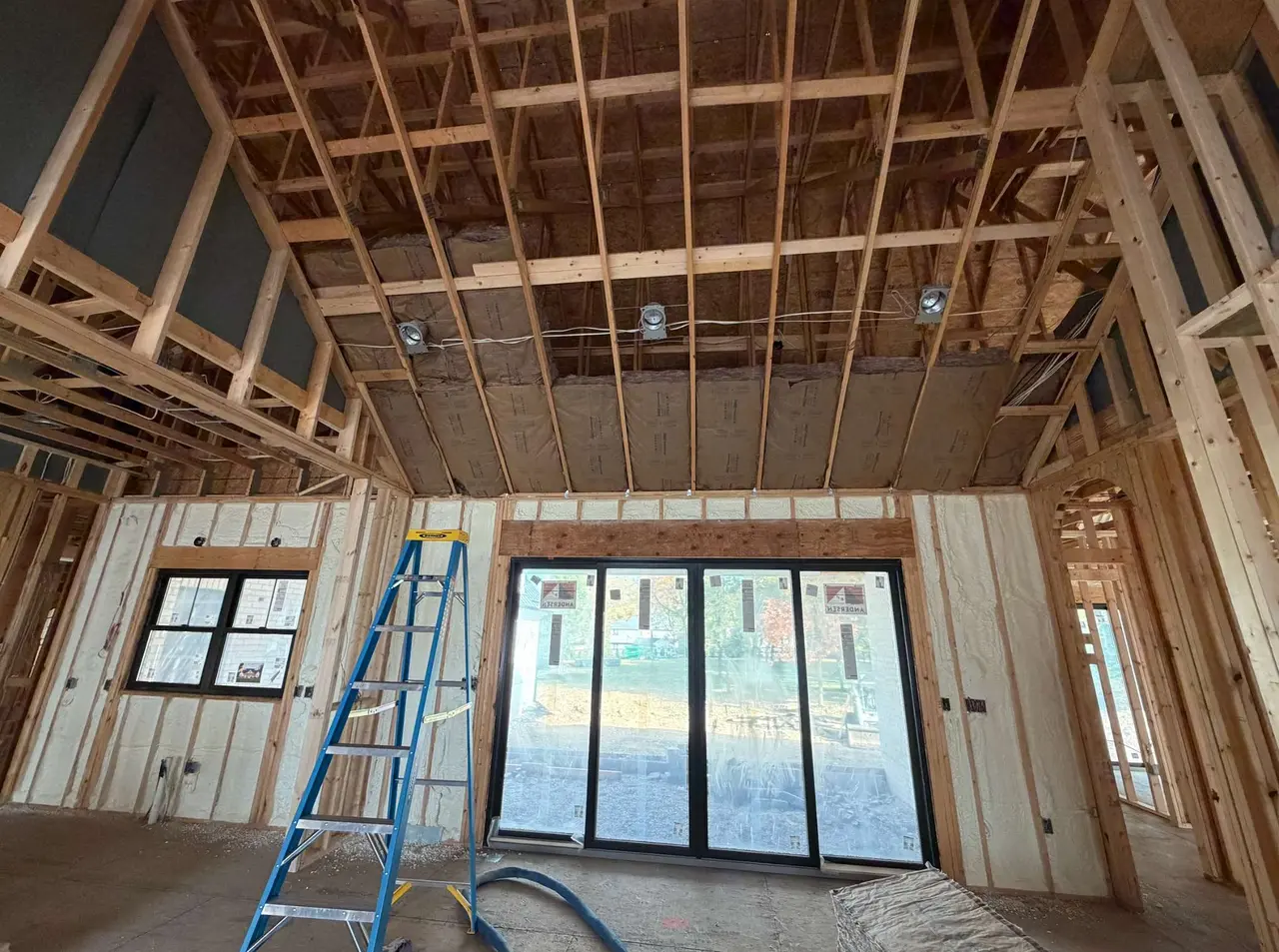
Poor insulation can lead to significant temperature differences between rooms. If walls or ceilings aren’t properly insulated, cold air can seep in, leaving that one room perpetually chilly.
You might be amazed to discover how crucial insulation is in maintaining a consistent temperature throughout your home. For example, older homes often have inadequate insulation that has settled or eroded over time. If you suspect this is the case, it might be worth investigating further. Even a minor investment in updating or adding insulation can yield remarkable results. Not only could it alleviate that cold room in the house, but it can also enhance your home’s overall energy efficiency!
Drafts from Windows and Doors
Windows and doors that aren’t adequately sealed can cause unwanted drafts. Every time you feel a chilly breeze, it’s likely contributing to the cold air settling in that particular room.
Drafts can sneak up on you, often going unnoticed until the temperature starts to drop. Think about those windows you never quite got around to sealing properly or the doors that have gaps at the bottom. A simple check can make a world of difference! You may want to explore weather-stripping options or caulking any gaps, which can be a straightforward DIY project. Plus, it’s not just about comfort; sealing those drafts can also lead to significant savings on your heating bills!
In addition to the noticeable drafts, even slight openings can compound the problem throughout the winter months. Keep in mind that it’s not only about how cold it is outside, but also how much outdoor air you allow to mingle with indoor air. Addressing these points of vulnerability should be on your checklist as you prepare your home for winter.
Heating System Imbalance
In some homes, ductwork may not be properly balanced, resulting in uneven heat distribution. This can make one room feel much colder, especially if it’s further away from the heating source.
It’s essential to think about how your heating system is set up and how it distributes warmth. Have you ever considered performing a ductwork inspection? Sometimes it’s not in your imagination; a simple blockage or an insufficient duct size can create a chilly room. If heat can’t flow freely, you might be left shivering in a corner while the rest of your house enjoys toasty warmth.
Moreover, don’t overlook thermostats; if one room has a separate thermostat, it might need recalibrating or replacing. It could also be beneficial to explore options for zone heating. Instead of relying solely on central heating, you can supplement the cold room with a space heater or radiator to help equalize temperatures across your living spaces.
Inadequate Sunlight Exposure
Rooms that receive less sunlight during the day tend to be cooler. This natural heat source is crucial for maintaining warmth, so consider how natural light affects each space.
It’s interesting to note how the position of your home in relation to the sun can drastically impact room temperatures. South-facing rooms typically get the most sunlight, providing natural heating during the day. If the cold room in the house is North-facing or shaded by trees, maybe it’s time to think creatively. Could you rearrange furniture to maximize sun exposure, or perhaps use lighter curtains to allow for more light in?
Additionally, consider incorporating mirrors or reflective surfaces to help bounce sunlight into the room. All these small steps can create a welcoming warmth during those chilly months. Sometimes, a little change in perspective is all that’s needed to transform an uninviting room.
The Influence of Flooring Materials
Different flooring materials can retain heat differently. Tile and stone floors tend to feel cold, while carpets can help maintain a warmer environment. Changing the flooring could help keep that room toasty.
Consider how your feet feel when you step on various surfaces! Trust me, walk barefoot on tile during winter, and you’ll understand why that cold room in the house feels like an icebox. Installing carpets can not only add warmth but also coziness to the space. If full carpet isn’t an option, maybe throw rugs could do the trick!
Another idea is to explore radiant floor heating if your budget allows. This option can be a game changer for spaces that are chilly due to flooring choices. With these thoughtful choices, you can significantly elevate the comfort level of that dreaded cold room, making it a space you enjoy instead of avoid.