
Understanding the temperature fluctuations in your home can help you create a more comfortable living space. In this blog post, we’ll explore the reasons behind why your house feels like an oven in the summer and a freezer in the winter, and what you can do about it.
The Basics of Home Temperature Regulation
Learn about how heat moves in and out of your home, including convection, conduction, and radiation. Understanding these principles is essential when you ask yourself, ‘why is my room so hot?’ As the sun warms your home during the day, heat moves through walls and windows, often leaving rooms balmy while others remain cool. This temperature imbalance can create an uncomfortable living environment, prompting you to explore solutions to enhance comfort.
Convection plays a crucial role in this process, as warm air rises and cool air descends, creating a cycle within your home. If your rooms feel stuffy, it might be due to poorly designed airflow, causing hot air to linger. This is where principles of conduction come in, showcasing how different materials either insulate or conduct heat. Knowing this information will empower you to make better choices about your home’s layout and materials.
The Role of Insulation in Your Comfort
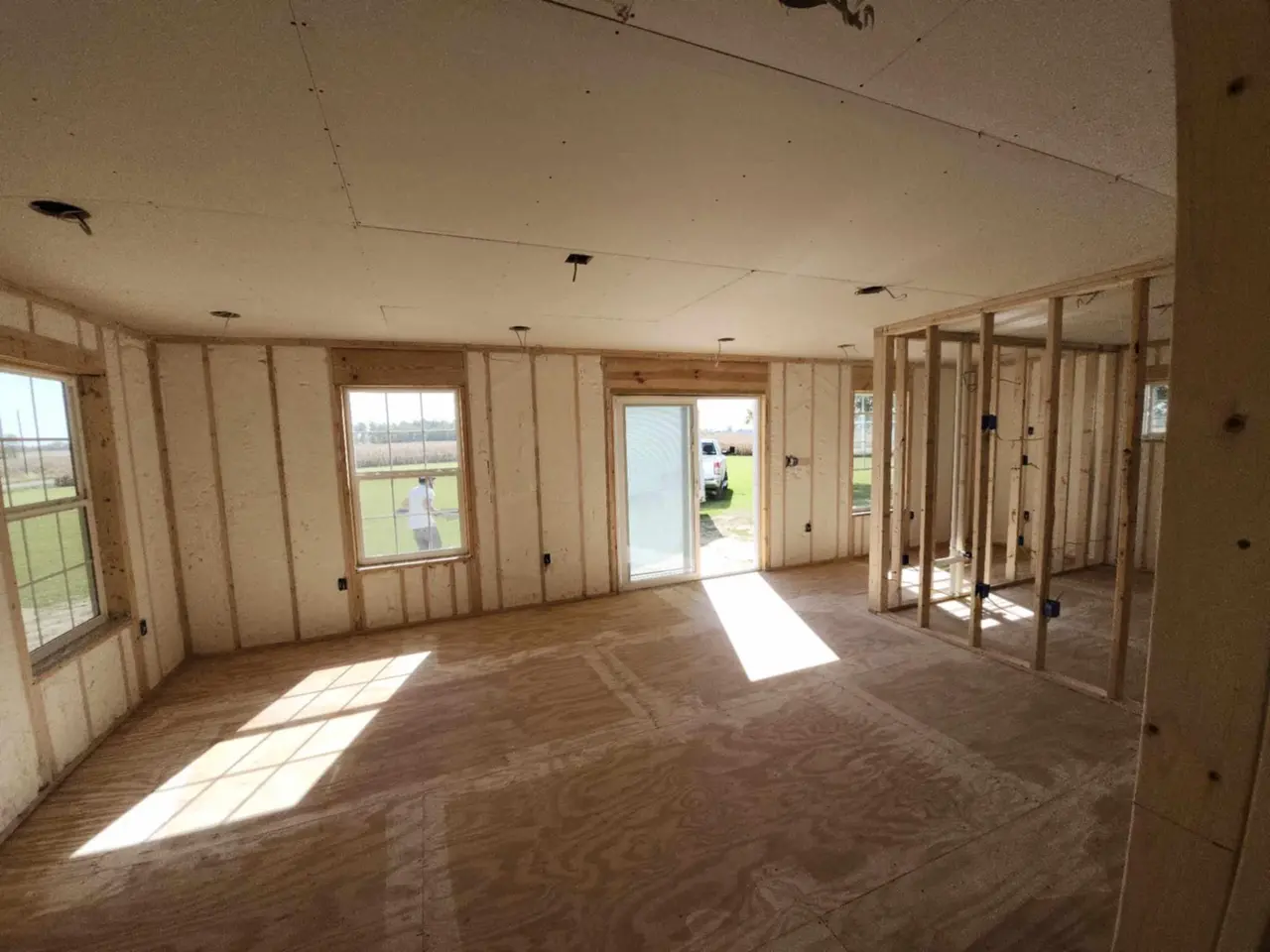
Find out why proper insulation matters and how it can help keep your house cool in summer and warm in winter. Insulation is your first line of defense against temperature extremes, working by slowing the transfer of heat in and out of your home. But, many homeowners overlook this vital aspect, leading to sweltering summers and frigid winters. Ignoring insulation could leave you wondering, ‘why is my room so hot?’ or too cold, when the solution might be right under your roof.
Over time, even the best insulation can deteriorate, making it essential to regularly check for gaps, holes, and wear and tear. A well-insulated home stabilizes temperature, promoting energy efficiency and comfort. Consider investing in materials that meet your local climate’s requirements, as the right insulation can significantly change your living experience.
Windows: The Unsung Heroes or Villains?
Explore how your windows can affect your home’s temperature and what options you have for improving their efficiency. Windows often act as conduits for heat, allowing it to infiltrate your home in the summer and escape during winter. If you find yourself pondering, ‘why is my room so hot?’, your windows may be the culprit. Old or single-pane windows can lead to a significant loss of conditioned air, forcing your HVAC system to work overtime.
Consider double-glazed or low-emissivity (Low-E) glass windows that can efficiently regulate temperature. Using window treatments like shades, drapes, or reflective films can also manage direct sunlight. Simple changes can drastically improve your comfort levels and lower energy bills, ensuring that your home maintains a cozy atmosphere regardless of the weather outside.
HVAC Systems: Are They Working Hard Enough?
Understand how your heating and cooling systems function and how regular maintenance can enhance their efficiency. When your HVAC system is underperforming, it can lead to discomfort and increased energy bills. If you’ve ever asked yourself, ‘why is my room so hot or cold?’, the answer might lie in the heart of your home: the HVAC system. A poorly maintained system can struggle to keep up with temperature demands, leading to inconsistent comfort levels.
Regular maintenance is key. Schedule seasonal check-ups to ensure your system is functioning at peak efficiency. Clean filters, check ductwork for leaks, and ensure the thermostat is calibrated correctly. If these DIY tasks seem overwhelming, don’t hesitate to reach out to professionals. They can assess your system’s health and make recommendations for improvement, ultimately leading to a more balanced home environment.
House Design: A Key Factor in Temperature Control
Discover how your home’s layout, roof design, and even landscaping can impact its temperature and overall comfort. Perhaps you’ve noticed certain areas of your house are perpetually warmer or cooler than others. This could be attributed to your home’s design. Factors like sunlight exposure, the positioning of rooms, and even the color of your exterior can all play significant roles in regulating temperature.
For instance, a south-facing house may receive more sun during the day, making those rooms hotter. On the other hand, strategic landscaping with trees can provide natural shade, reducing heat absorption. Even roof design affects airflow and temperature; for example, a steep roof can help with heat rise and ventilation. So, if you’re contemplating a renovation or build, it’s wise to consider how these elements interplay with comfort and efficiency. Making informed choices can help you minimize temperature extremes, leading to a more comfortable home experience.