
Whether you’re a seasoned DIY enthusiast or a homeowner looking to save some cash, the idea of removing insulation yourself can be tempting. However, is it really safe? This blog will explore the considerations you should make in deciding whether to tackle this project on your own or call in a professional. With the right information, you can make an informed decision that best suits your situation.
Understanding the Risks of DIY Insulation Removal
Before diving into any home improvement project, it’s crucial to understand the associated risks. DIY insulation removal can expose you to potentially harmful materials, such as asbestos or mold. In this section, we will delve into the common hazards and precautions you should be aware of.
Asbestos, often found in older homes, poses serious health risks if its fibers become airborne. If your home was built before the 1980s, it’s wise to have your insulation tested for asbestos before attempting any removal. This step isn’t just a precaution; it’s a necessity for your health and safety. If tests come back positive, hiring a professional with the proper training and equipment is paramount. Additionally, mold is another lurking issue that can lead to respiratory problems and other health concerns. If you ever notice a damp smell or visible growth in your insulation, it’s a clear signal that you should contact an expert.
Moreover, there are physical risks involved in DIY insulation removal itself. Heavy lifting, along with the potential for injury from sharp edges of insulation materials or tools, can turn an enthusiastic project into a trip to the emergency room. Proper safety gear is essential, and knowing your limits is crucial. If this sounds daunting, don’t fret—you’re not alone in weighing the decision to DIY. Many factors will influence whether it’s really worth the hassle or risk.
Identifying Signs that Professional Help is Needed
While some insulation types may be manageable for a DIY project, others might be better suited for professionals. We’ll explore key indicators, such as age, type of insulation, and possible contaminants, guiding you in making the right choice.
First off, age matters. Older insulation may contain materials that pose more risk, such as asbestos or outdated fiberglass types. Furthermore, not all insulation is created equal. For instance, spray foam insulation can be challenging to remove due to its chemical makeup. And if your insulation is old and showing wear, consider the implications of handling decaying materials yourself. If you spot extensive damage or have doubts about the type of insulation you have, a professional assessment is prudent.
Additionally, if you’ve experienced leaks, pest issues, or any signs of contamination, it’s usually best to err on the side of caution. Such conditions might indicate the need for specialized know-how and cleanup that goes beyond just removing insulation. Sometimes, the cost of an expert can save you from future issues and expenses. Remember, recognizing when you need help can save you time, money, and a lot of headaches in the long run.
Tools and Safety Gear for DIY Insulation Removal
If you decide to proceed with DIY insulation removal, having the right tools and safety gear is essential. This section will list necessary equipment, including protective clothing and specialized tools, ensuring your project is both efficient and safe.
Start by gathering the basics: gloves, goggles, and a mask. When dealing with insulation, especially if there’s a chance of asbestos, you can’t afford to skip protective gear. It’s also wise to have a good quality utility knife for cutting insulation and a sturdy vacuum to clean up any debris afterward. Additionally, a respirator rated for particles will provide further protection against any harmful substances you may encounter.
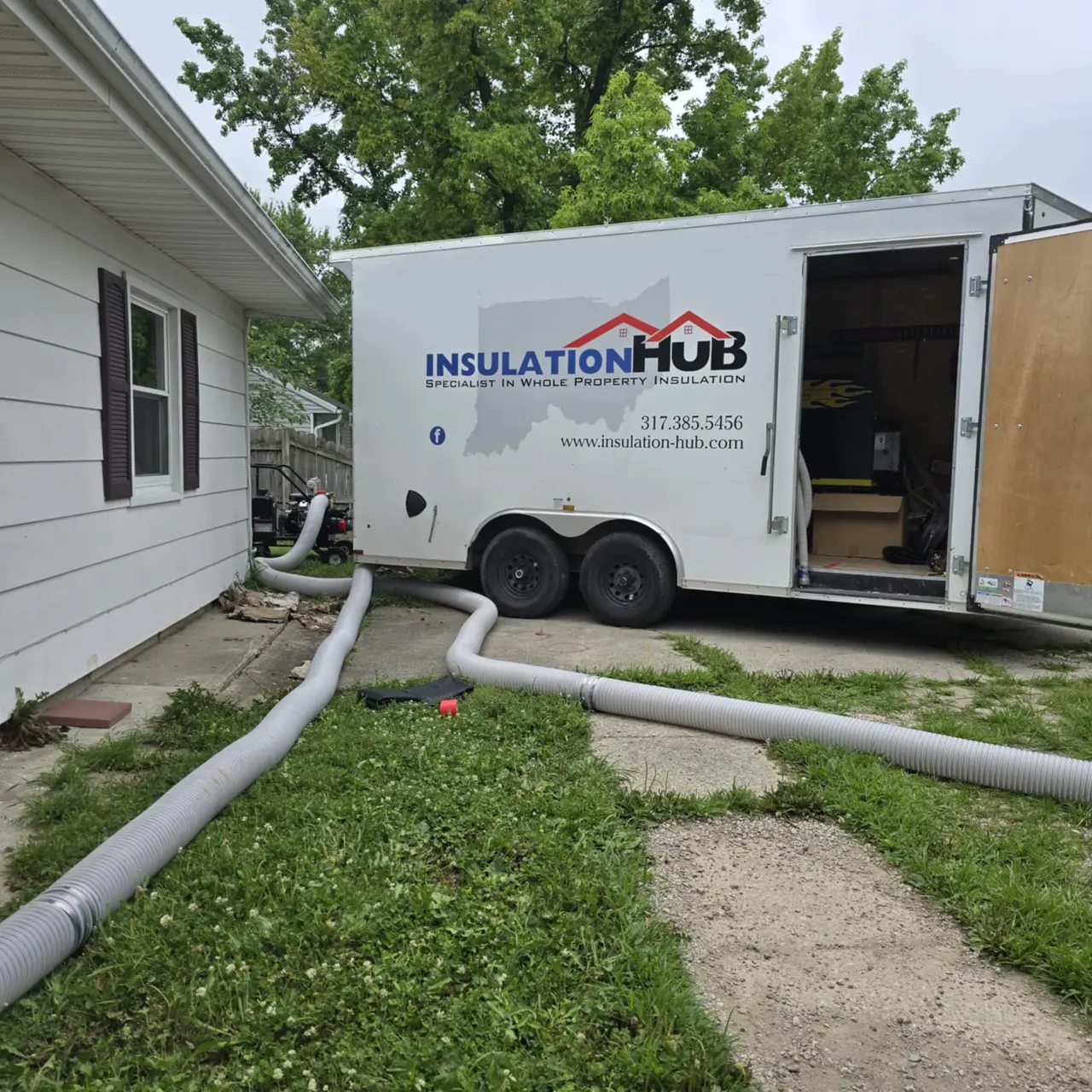
Next, consider investing in an insulation removal machine if you’re dealing with larger areas. These machines can help streamline the removal process by allowing you to quickly and efficiently extract loaned insulation without excessive effort. Lastly, don’t forget to have a reliable dumpster or disposal bags to handle the waste correctly. Getting rid of the old insulation isn’t just about tossing it in the trash; you may need to follow specific disposal guidelines to avoid legal or safety issues.
Cost Comparison: DIY vs. Professional Services
Budget plays a significant role in any home project. We’ll break down the financial aspects of DIY insulation removal versus hiring a pro, giving you a clearer picture of potential savings and expenses.
When considering DIY, factor in the cost of tools, safety gear, and potential disposal fees. These initial expenditures can add up quickly. On the other hand, hiring a professional is an upfront cost that may lead to a more swift and often safer process. Generally speaking, professionals can also offer warranties or guarantees, which could save you more down the line if anything goes wrong afterward.
However, the true savings of a DIY project often lie in time and effort rather than just dollars. Think about how much your time is worth. Will you have to take time off work to tackle this task? If it’s going to become a full-time job for your weekend, you might want to weigh that against the convenience of a professional service. Ultimately, the right choice depends on your budget and your ability to dedicate time to the task.
Tips for a Safe and Effective DIY Insulation Removal
If you’ve decided to go for it, a well-structured plan is essential. This section will provide practical tips and steps to ensure that your insulation removal is done safely and effectively, minimizing the chance of errors or accidents.
Start by thoroughly researching the type of insulation you’re dealing with. Knowing its specific properties will guide your approach and help you anticipate challenges. Next, create a detailed timeline for your project, building in extra time to accommodate unexpected issues. No one likes a rushed job, especially when safety is involved.
Moreover, ensure you’re working in a well-ventilated area before removing your insulation. This step is vital for minimizing dust and potential debris inhalation. Keep your workspace organized, allowing yourself plenty of room to maneuver safely. And don’t forget to take regular breaks! It’s easy to get caught up in the task, but maintaining your energy and focus is crucial for both your safety and the effectiveness of the job.