
Choosing the right home insulation can be overwhelming, but it doesn’t have to be! With so many options available, understanding what suits your needs best is key to creating a comfortable and energy-efficient home. Here are fifteen quick tips to guide you in making the right choice for your home insulation solutions.
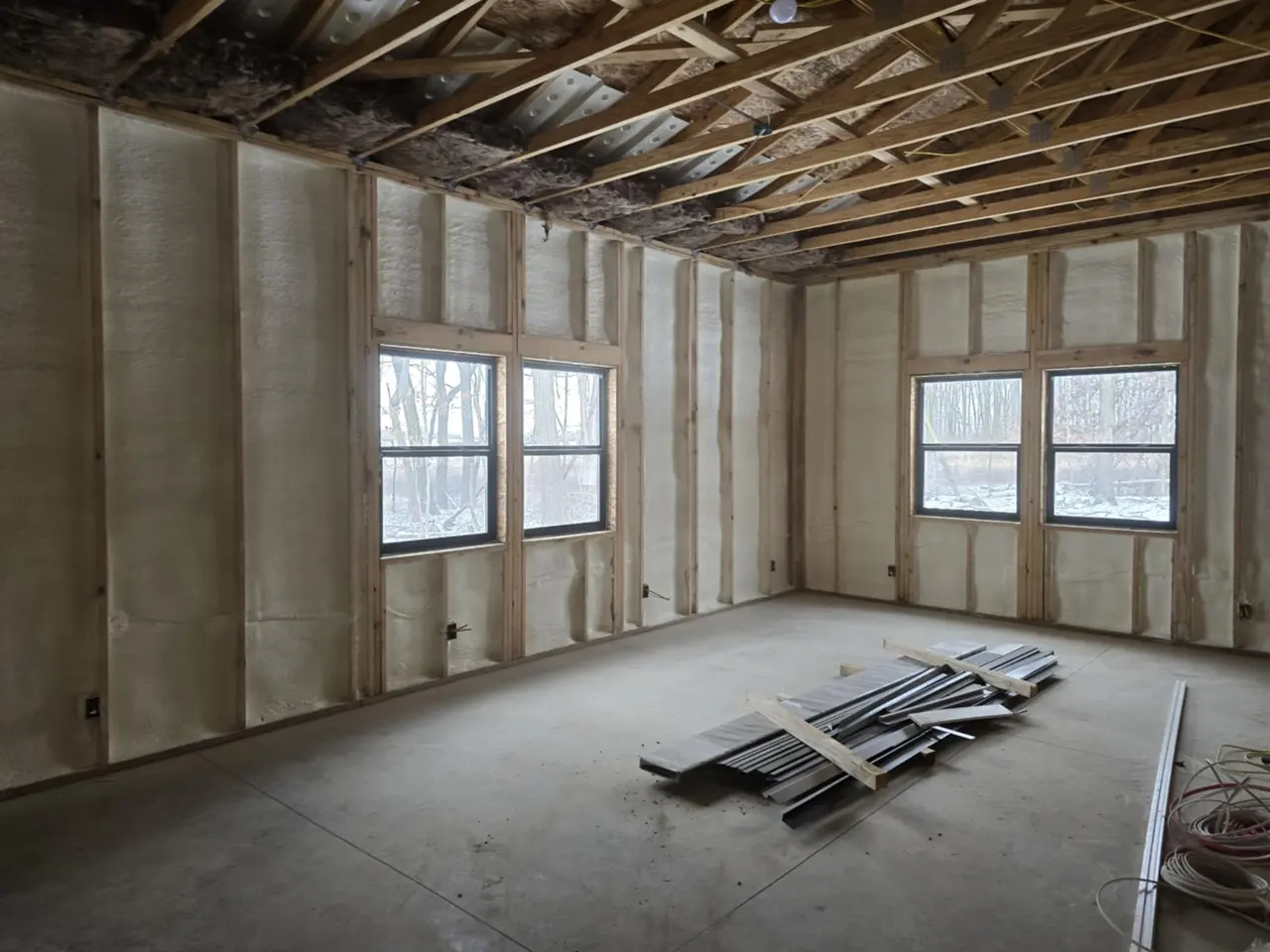
1. Understand Your Climate
The climate in your area plays a critical role in determining the right insulation. Different materials perform better in different regions. For example, if you live in a colder climate, you’ll want insulation that retains heat effectively. On the flip side, warmer areas might prioritize breathable materials that keep homes cool. Pay attention to local weather patterns and consider how varying temperatures throughout the year impact your home’s energy needs.
Additionally, understanding your home’s orientation and the surrounding geography can influence your insulation choices. If you have a lot of trees that shield your house from the harsh sun, some insulation types may work better for your specific circumstances. Emphasizing these local factors can improve comfort while also maximizing energy efficiency.
2. Know Your Insulation Types
Get familiar with the different types of insulation available, such as fiberglass, foam, and cellulose, to find what works best for your needs. Each type has its advantages. For instance, fiberglass is known for its affordability and efficiency, while foam insulation offers superior air sealing and moisture resistance.
Alternatively, cellulose, made from recycled paper, is an eco-friendly choice that fills nooks and crannies well. Understanding these materials, their properties, and their performance metrics will help you make informed decisions that suit both your budget and your home’s unique needs.
3. Consider R-Value
R-value measures thermal resistance. Higher R-values offer better insulation, so consider this in your choice. The right R-value for your home depends on your climate, attic or wall construction, and local building codes. It can feel somewhat daunting, but think of R-value as a way to gauge how well your insulation can prevent heat transfer, keeping your home comfortable all year round.
Before settling on insulation, research the recommended R-values for your area. For example, homes in the northern regions often require a higher R-value than those in southern states to achieve optimal energy efficiency. Collaborating with a contractor can ensure that you’re aiming for the right targets.
4. Inspect Your Home’s Current Insulation
Take a good look at what’s currently in your walls and attic. This can inform your upgrade choices. Sometimes, homeowners are surprised to find that their existing insulation is inadequate or damaged. Assessing its condition can reveal whether you need a complete overhaul or if you can simply add to what’s already there.
A visual inspection along with a thermal camera can reveal cold spots that may indicate insulation deficiencies. Don’t overlook this important step, as knowing what you’ve got will ease your decision-making process regarding the best home insulation solutions.
5. Evaluate Cost vs. Benefit
Analyze the costs of insulation materials versus the long-term savings on energy bills to determine the best financial choice. While it may be tempting to go for the least expensive option, indulging in slightly pricier materials can offer significant savings in the long run. Good insulation can dramatically reduce your energy bills and increase your home’s value.
Plus, consider not just the price per square foot, but also the return on investment. Long-lasting products with better reviews may have a higher upfront cost but will outlast cheaper alternatives, making them a better financial option over time.
6. Look for Eco-Friendly Options
Sustainable insulation materials have become popular. Explore options such as recycled denim or sheep’s wool, which offer excellent thermal performance while being kind to the planet. When you choose eco-friendly materials, you’re not just insulating your home—you’re also making a positive contribution to the environment.
Furthermore, look for certifications like Energy Star or GreenGuard, which indicate that the products are designed with sustainability in mind. Exploring these greener alternatives not only boosts your home’s energy efficiency but also aligns your choices with a sustainable lifestyle.
7. Factor in Installation
Consider if you’ll install it yourself or hire a professional. Some insulation types require expert installation. For instance, spray foam insulation can be tricky for amateurs, while fiberglass batts are often a more do-it-yourself-friendly option. If you don’t have the time or tools to do the job properly, hiring a professional could save you from headaches and costly reworks later on.
Review the complexities of your installation area as well. For example, tight spaces or areas with lots of ductwork may necessitate professional help. Understanding the installation requirements will guide you toward the right solution without compromising quality of work.
8. Consider Soundproofing Needs
If noise reduction is important to you, look for insulation products designed to also dampen sound. You may be aiming for tranquil living spaces, particularly in busy urban neighborhoods, where noise pollution can be a concern.
In these cases, consider insulation materials with higher STC (Sound Transmission Class) ratings, which will help to minimize sound travel. Combining insulation with additional soundproofing solutions, like resilient channels, could further improve your acoustic comfort.
9. Check for Moisture Resistance
Ensure your insulation choices resist moisture to prevent mold growth and structural issues. If you live in a humid climate or have spaces prone to dampness, selecting moisture-resistant materials is crucial.
Options like closed-cell spray foam offer superior moisture barriers, which can be invaluable in basements or crawl spaces. This proactive approach not only protects your investment in insulation but also promotes healthier indoor air quality for your family.
10. Assess Accessibility
Consider how easy it is to access the areas that need insulation. Some materials are tricky to use in tight spaces. If you’re insulating a difficult-to-reach attic or a crawl space, check that the materials you choose can be manipulated easily.
For instance, batt insulation might be cumbersome in tight locations while spray foam can adapt better. Understanding your home’s layout will aid in picking appropriate insulation solutions.
11. Explore DIY Options
There are many DIY-friendly insulation solutions available, so research what you can effectively install yourself. From fiberglass batts to rigid foam boards, the options for efficient installation are vast.
Engaging in the process yourself can also result in satisfactory savings. However, ensure that you feel comfortable and safe working with the materials and tools required. Having a solid understanding of the installation process will make your project more efficient and ensure a successful outcome.
12. Research Local Codes
Make sure to check any local building codes or regulations regarding insulation to stay compliant. It’s important, as failure to adhere to these codes can lead to costly penalties or even forced removal of improperly installed insulation.
Local codes not only specify material types but also R-values and installation methods. Consult with your local building department or an insulation contractor to ensure your project meets all necessary guidelines.
13. Consult with Experts
When in doubt, don’t hesitate to ask professionals about insulation solutions tailored to your home. Engaging with experts can provide you with valuable insights that ensure your insulation choices are well-informed and suitable.
Contractors can assess your home’s specific needs and offer custom recommendations, helping you to avoid common pitfalls while optimizing your insulation for energy efficiency.
14. Plan for Future Needs
Think about potential home improvements in the future that could affect insulation performance. For instance, if you’re planning on adding a new room or converting your attic into a living space, the insulation you choose today could impact future renovations.
Taking into account potential changes means that today’s insulation choices can be made with foresight. Strategically investing in versatile insulation can ease future upgrades and enhance your home’s energy efficiency.
15. Get Multiple Quotes
If hiring out installation, always get multiple quotes to ensure you’re getting the best deal for quality work. Gathering several opinions allows you to gauge market prices and choose a contractor who offers competitive rates.
Make sure to compare what each quote includes, such as materials, labor, and timeframes. This will give you a clear understanding of the full investment required and help you avoid unexpected costs later on.