
Renovating your home is an exciting journey, but it also comes with its fair share of questions—especially when it comes to insulation. Proper insulation is crucial for comfort and energy efficiency, but navigating the options can be confusing. In this article, we’ll break down essential insulation recommendations tailored for your renovation projects, ensuring you make informed choices that will benefit your home for years to come.
Understanding Insulation Types
Before diving into recommendations, it’s essential to understand the different types of insulation available. We will explore options ranging from fiberglass and foam to cellulose, outlining their benefits and ideal use cases.
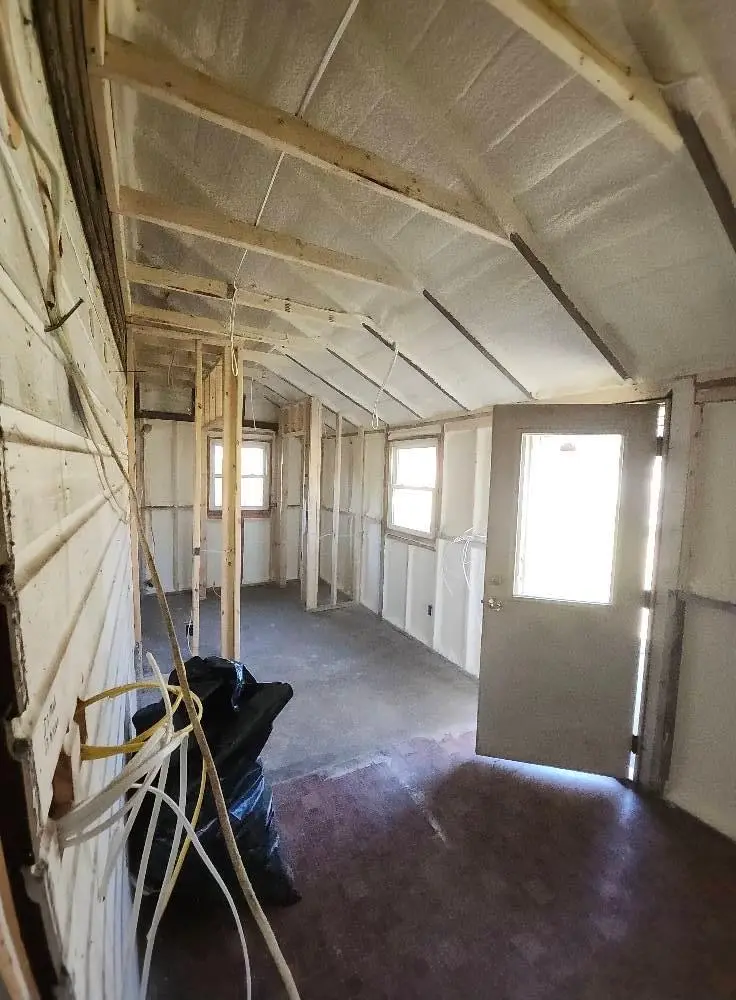
Fiberglass insulation is one of the most common materials found in homes today. It’s made from fine glass fibers that trap air, providing excellent thermal resistance and soundproofing capabilities. On the flip side, foam insulation, which comes in both spray and rigid forms, offers superior air sealing properties and higher R-values, making it perfect for hard-to-insulate areas. Meanwhile, cellulose insulation, crafted from recycled paper products, presents an eco-friendly alternative that not only keeps homes warm but also helps in reducing carbon footprints. Each type has its unique benefits, so consider the specific needs of your renovation.
Choosing the Right R-Value
Not all homes are created equal, which is why selecting the appropriate R-value for your region is crucial. We’ll discuss what R-value means, how to determine the necessary level for your project, and its impact on energy efficiency.
R-value is more than just a buzzword tossed around in construction conversations; it’s a measure of insulation’s ability to resist heat flow. The higher the R-value, the better the insulation’s effectiveness. However, knowing the right R-value for your area can significantly affect both your comfort and energy bills. For example, colder regions might require R-values above 30 in attics, while milder climates can be adequately insulated with lower R-values. Understanding your local climate will be essential in making an informed decision that balances performance and cost.
Additionally, don’t just look at R-value in one space; consider how it interacts with other elements of your home. For instance, achieving the right R-value in attics, walls, and floors enhances the overall energy efficiency of the building envelope. A well-insulated home with appropriate R-values across the board is not only comfortable year-round but also plays a significant role in reducing your carbon footprint.
Air Sealing Before Insulating
Did you know that air leaks can undermine even the best insulation? This section will cover the importance of sealing gaps and cracks before installing new insulation—helping you maximize effectiveness and comfort.
Air sealing is often overlooked but is a crucial step in achieving optimal insulation results. If your home has hidden leaks, like around windows, doors, or ductwork, conditioned air can escape—rendering your efforts at insulation less effective. By thoroughly sealing these gaps with caulk, weatherstripping, or spray foam, you not only improve energy efficiency but also enhance indoor air quality. It’s also a relatively inexpensive step that can lead to significant savings over time.
Creating a tight thermal envelope ensures that your newly installed insulation performs at its best. Many homeowners might feel daunted by the idea of identifying these air leaks, but tools such as blower door tests and infrared cameras can make the process straightforward. Investing a little time and energy into air sealing can elevate your insulation project from good to great, leading to a more comfortable environment in your home.
Considering Eco-Friendly Options
As environmental concerns grow, so do options for sustainable insulation. Learn about eco-friendly materials, their advantages, and how they can offer both comfort and peace of mind.
Many homeowners are now looking for ways to make their renovation projects more sustainable. Eco-friendly insulation options, like sheep’s wool, cotton denim, and even recycled materials, can provide effective thermal resistance while being gentle on the planet. These materials not only reduce the environmental impact of your renovation but also improve indoor air quality, important for the health-conscious homeowner.
Choosing sustainable insulation isn’t just about compliance; it reflects a lifestyle choice that prioritizes eco-friendliness without sacrificing performance. As you consider these options, think about the long-term benefits they can provide, both in terms of comfort and energy savings. Plus, many eco-friendly options also qualify for green building certifications, potentially increasing your home’s value and appeal.
Hiring the Right Professionals
Installing insulation might seem straightforward, but it’s often best left to the experts. We’ll share tips on finding and hiring professionals to ensure the job is done correctly, efficiently, and safely.
A successful insulation project often hinges on hiring the right professionals. Start by seeking recommendations from friends and family, but don’t stop there—online reviews and local home improvement forums can shed light on a contractor’s reputation. Once you have a shortlist, don’t hesitate to ask questions about their experience, certifications, and the materials they prefer to use. A trustworthy contractor will gladly share this information to help you feel more confident in your decision.
Furthermore, always request multiple quotes to ensure you’re comparing apples to apples. This not only gives you a sense of the going rates but also allows you to assess each professional’s approach and communication style. Remember, a good contractor doesn’t just install insulation; they should also provide valuable insights on the overall renovation project, ensuring that insulation work complements other renovations for maximum efficiency.