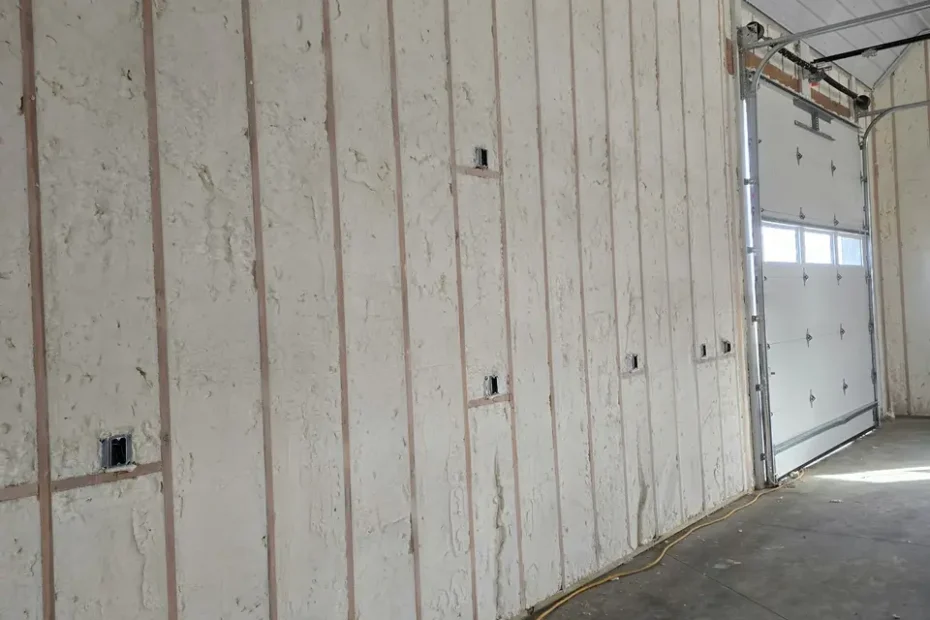
If you’ve been considering spray foam insulation for your home, commercial building, barn, shop, office, or new construction project, you may have noticed pricing is changing in 2026. Across the insulation industry, spray foam material costs have increased this year, and many contractors nationwide are adjusting pricing as a result.
At Insulation Hub, we believe in transparency. We don’t believe in vague explanations or surprise price increases. We’d rather explain what is happening, why it is happening, and how you can make the best decision for your property and budget.
The good news? Spray foam insulation is still one of the highest-performing long-term investments available for many buildings. Even with rising material costs, the benefits in comfort, energy efficiency, and durability often make it a smart choice.
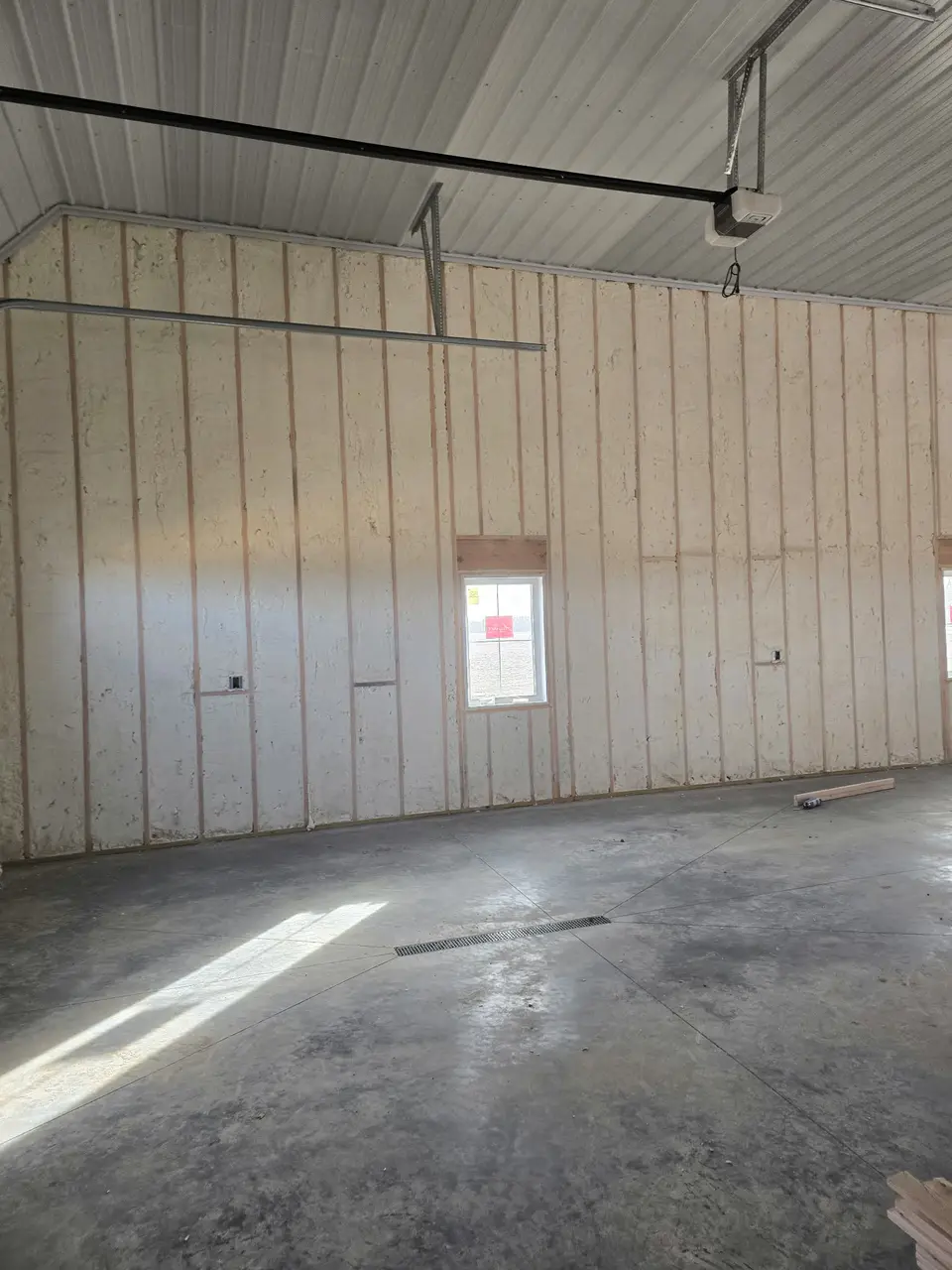
Why Are Spray Foam Prices Increasing?
Spray foam pricing is influenced by several factors, many of which are outside the control of local contractors. These include raw material costs, supply chain pressures, transportation expenses, regulations, and growing market demand.
1. Raw Material Costs Have Increased
Spray foam insulation is made from chemical components such as isocyanates (MDI) and polyols. These are core ingredients used to create the foam reaction and insulating properties. In 2026, industry sources reported price increases on both MDI and polyols, which directly affects spray foam manufacturing costs.
When the cost of these materials rises, it impacts suppliers, distributors, and ultimately project pricing.
Your shared article correctly highlighted that raw material volatility remains one of the biggest drivers of spray foam pricing.
2. Supply Chain and Freight Challenges Continue
While supply chains have improved compared with the peak disruption years, transportation and logistics costs still impact construction materials.
Shipping delays, freight rates, fuel costs, warehousing, and trucking availability can all affect the delivered cost of spray foam systems and equipment. When manufacturers and suppliers pay more to move products, those increases eventually flow through the market.
3. Demand for Energy Efficiency Is Growing
More property owners are focused on lowering utility bills, improving comfort, and reducing wasted energy. Builders are also paying more attention to tighter building envelopes and higher-performing insulation systems.
That increased demand has made spray foam more popular than ever for:
- Homes
- Pole barns
- Shops and garages
- Commercial buildings
- Crawl spaces
- New construction projects
As demand rises faster than production capacity, pricing pressure can increase.
4. Environmental and Regulatory Changes
Another factor affecting pricing is evolving environmental standards and manufacturing regulations.
As chemical production standards tighten, manufacturers may need to reformulate products, invest in cleaner processes, or comply with updated rules. These changes can improve product quality and environmental performance—but they can also increase production costs.
5. Skilled Labor Still Matters
Spray foam is not a “cheap labor” product. Proper installation requires:
- Specialized spray equipment
- Trained installers
- Correct temperature and moisture conditions
- Proper lift thickness and curing practices
- Safety protocols
- Experience and quality control
That means true spray foam value comes from both the material and the installation. Cutting corners to chase the cheapest price often creates expensive problems later.
What This Means for Property Owners
Like many contractors nationwide, we are seeing increased supplier costs in 2026. That means spray foam pricing may continue adjusting throughout the season.
We never enjoy passing increases along to customers. But we also refuse to:
- Use lower-quality products
- Rush jobs
- Cut corners
- Sacrifice standards
- Provide unrealistic pricing that compromises results
Our customers deserve quality work done correctly the first time.
What We’re Seeing Directly From Suppliers
To give you a clearer picture, these increases aren’t theoretical — they’re coming directly from the manufacturers and distributors we work with.
Recent notices show that suppliers like Natural Polymers and UPC have announced price increases ranging from 13% to 17%, depending on the product type. Additional supplier updates indicate increases closer to 20% on both open-cell and closed-cell spray foam products across multiple manufacturers.
In many cases, these increases took effect starting May 1, with additional adjustments rolling out in the following weeks.
It’s Not Just Pricing — It’s Availability Too
Along with price increases, suppliers are also reporting tighter availability.
In some cases, manufacturers are limiting or allocating product shipments, meaning distributors are receiving less material than originally ordered. We’re also seeing rising costs on related products like insulation accessories, which are increasing roughly 6% to 9%, along with certain materials being priced based on rapidly changing market conditions.
What this means for property owners is simple: this isn’t a one-time change or a single supplier issue — it’s an industry-wide shift affecting both cost and supply.
Is Spray Foam Still Worth It?
In many situations, yes.
Spray foam continues to be one of the most effective insulation options because it does more than simply slow heat transfer.
Spray Foam Can Help:
- Reduce drafts and air leakage
- Lower heating and cooling costs
- Improve indoor comfort year-round
- Help manage moisture in some assemblies
- Improve consistency in hot or cold rooms
- Increase efficiency in barns, shops, and garages
- Support long-term building performance
The U.S. Department of Energy notes that sealing air leaks and improving insulation can significantly reduce energy waste in many buildings.
Why Waiting Could Cost More
We never believe in fear-based sales tactics. But we do believe in honesty.
If spray foam is already part of your 2026 plans, waiting could mean:
- Higher material pricing later
- Longer scheduling lead times during busy season
- Delays on new builds or renovations
- Missed opportunities to improve comfort sooner
That does not mean everyone should rush. It simply means planning early can be smart.
How Insulation Hub Is Helping Customers
We’re working hard to keep pricing competitive while protecting quality.
That includes:
- Fast, honest estimates
- Clear explanations of options
- Alternative insulation solutions when appropriate
- Flexible scheduling
- Opportunities to lock in pricing with approved deposits when available
If spray foam is not the best fit for your budget or project goals, we’ll tell you. Sometimes blown-in insulation, fiberglass, air sealing, or hybrid systems may be the better move.
What We Expect Next
Industry analysts suggest pricing could stabilize if raw material supply improves and freight costs ease. However, if demand remains strong and production stays tight, additional increases are still possible.
That’s why staying informed and planning early is often the best strategy.
Our Commitment to You
We know nobody likes hearing prices are going up.
We don’t either.
But customers deserve honesty more than gimmicks. At Insulation Hub, our goal is simple:
Real solutions. Fair pricing. Professional installation. Done right the first time.
Planning a Project in 2026?
Now is a great time to request a quote for:
- Spray foam for new construction
- Pole barn insulation
- Garage or shop insulation
- Commercial insulation projects
- Crawl space insulation
- Rim joist sealing
- Attic upgrades
Get a Free Estimate
If spray foam or insulation improvements are on your radar this year, reach out now for a free estimate. We’ll explain your options, answer questions honestly, and help you choose the best path for your property and budget.