
When homeowners consider upgrading insulation, one of the most common questions is simple:
Will the energy savings actually pay for the cost of the insulation?
The short answer is yes. In many homes, insulation improvements can pay for themselves in just a few years through lower heating and cooling bills. In colder climates like the Midwest, the return on investment can be even faster.
But the exact payback timeline depends on several factors including your home’s current insulation levels, energy costs, and where the improvements are made.
Understanding how insulation creates savings can help you decide if an upgrade is worth it for your home.
Why Insulation Saves Money
Insulation works by slowing heat transfer. In winter, it helps keep warm air inside your home. In summer, it prevents heat from entering.
Without proper insulation, your heating and cooling system has to work harder to maintain a comfortable temperature. That extra workload increases energy use and utility costs.
According to the U.S. Department of Energy, heating and cooling account for roughly 50 percent of the average home’s energy use. Improving insulation reduces how often your HVAC system needs to run.
The result is lower monthly energy bills and a more comfortable home.
Typical Insulation Payback Timeline
In many homes, insulation upgrades pay for themselves in two to seven years.
Several factors influence the payback period.
Current insulation levels
Homes with little or outdated insulation often see the fastest return.
Energy prices
Higher heating and cooling costs increase the savings from insulation.
Size of the project
Larger projects cost more upfront but may deliver greater energy savings.
Climate
Homes in colder regions tend to see faster payback because heating demand is higher.
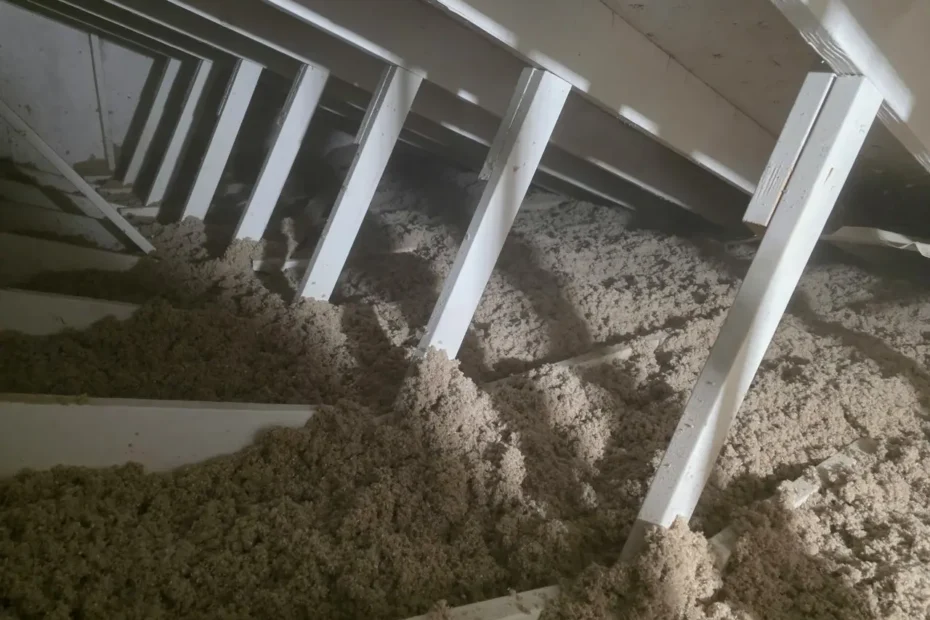
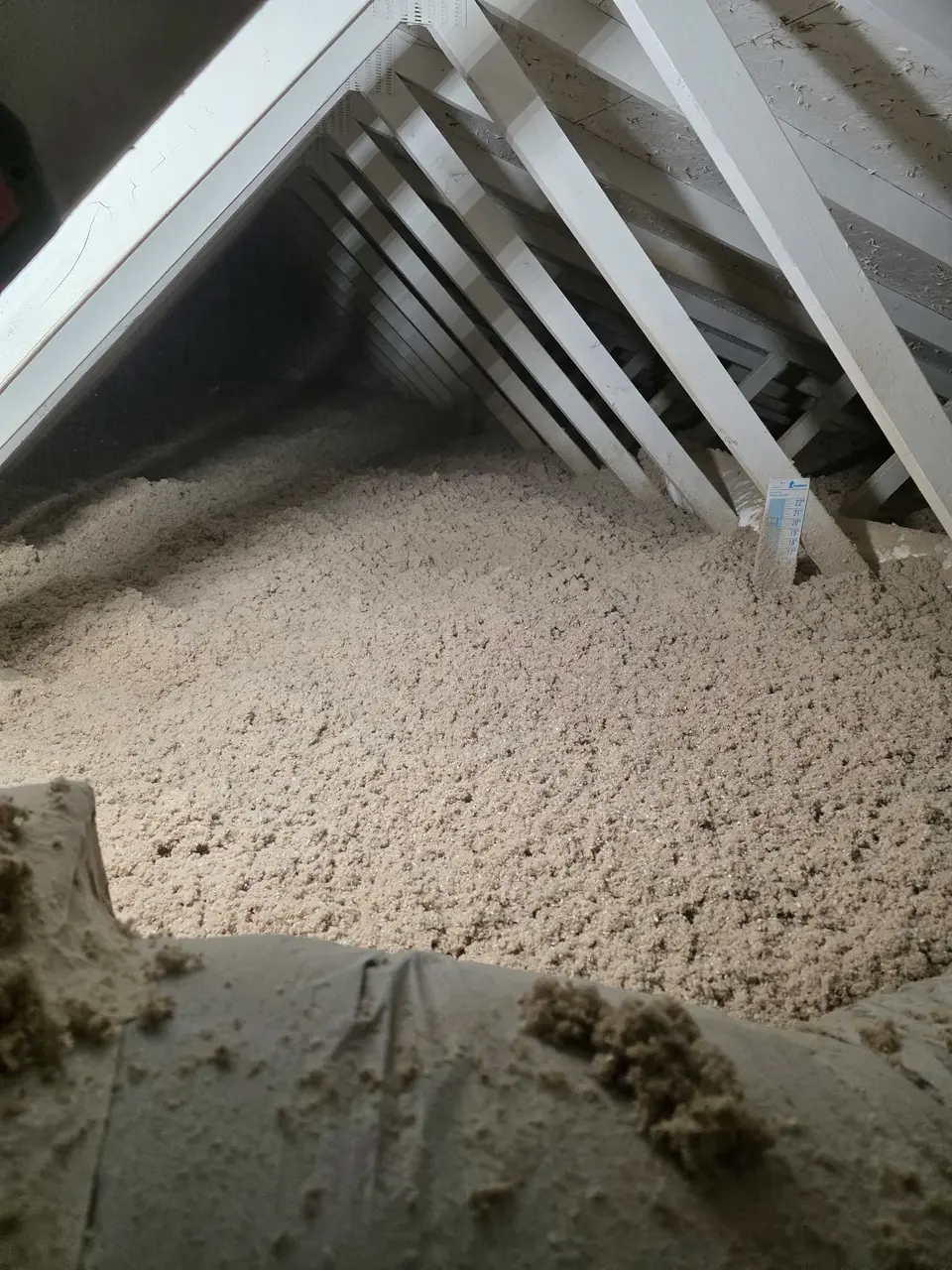
For example, upgrading attic insulation in an under-insulated home can reduce heating costs significantly during Midwest winters.
Insulation Upgrades With the Fastest ROI
Some areas of a home provide a quicker return than others.
Attic insulation
The attic is one of the biggest sources of heat loss in a home. Improving attic insulation often delivers one of the fastest payback periods.
Air sealing and insulation together
Stopping air leaks while improving insulation dramatically improves performance. Without air sealing, warm air can still escape through gaps and cracks.
Crawlspace and rim joist insulation
These areas often allow cold air infiltration. Addressing them can noticeably improve comfort and reduce heating costs.
Basement insulation
Insulating foundation walls can reduce heat loss through concrete surfaces.
Comfort Improvements Matter Too
Energy savings are only part of the return.
Many homeowners notice immediate improvements in comfort after upgrading insulation.
Benefits often include:
- More consistent temperatures between rooms
- Fewer drafts
- Warmer floors in winter
- Reduced strain on heating and cooling systems
These comfort improvements can make a home feel dramatically different, even before energy savings fully offset the installation cost.
Example Payback Scenario
Consider a home that spends about $2,400 per year on heating and cooling.
If insulation upgrades reduce energy use by 20 percent, the homeowner could save about $480 per year.
If the insulation project costs $3,000, the simple payback period would be roughly:
(3,000 ÷ )480 = about 6 years
After that point, the ongoing savings continue every year.
How to Know If Insulation Will Pay Off in Your Home
Every home performs differently. The best way to estimate savings is to evaluate how your home currently loses energy.
Signs insulation improvements may provide strong returns include:
- Drafty rooms or cold floors
- Uneven temperatures throughout the house
- High heating or cooling bills
- Older insulation that has settled or degraded
A professional inspection can identify where insulation improvements will make the biggest difference.
Frequently Asked Questions
Does insulation really reduce energy bills?
Yes. Proper insulation reduces heat loss and heat gain, which allows your heating and cooling system to run less often. Many homeowners see noticeable reductions in energy costs after improving insulation.
What insulation upgrade saves the most money?
Attic insulation upgrades often provide the fastest return because heat naturally rises and escapes through the top of the home.
How much can insulation reduce energy costs?
Savings vary depending on the home, but improvements can often reduce heating and cooling costs by 10 to 30 percent.
Is insulation worth it for older homes?
Older homes frequently have outdated or insufficient insulation. Improving insulation in these homes can dramatically improve comfort and efficiency.
Final Thoughts
Insulation upgrades are one of the most effective ways to improve energy efficiency and comfort in a home. While the upfront cost can vary, many projects pay for themselves within a few years through reduced heating and cooling costs.
Even before the financial return is complete, homeowners often notice immediate benefits such as fewer drafts, warmer rooms, and more consistent temperatures throughout the house.