
Out of sight, out of mind—until it starts costing you.
Many homeowners overlook their crawl spaces when it comes to home comfort and energy efficiency. But no insulation in your crawl space can lead to major issues over time, ranging from higher energy bills to serious moisture and air quality problems.
In this post, we’ll break down the problems with uninsulated crawl spaces, how they affect your home, and what to do if your crawl space has been left bare for too long.
1. Higher Energy Bills Year-Round
An uninsulated crawl space acts like an open door to the outside, allowing hot and cold air to creep into your home. In winter, you’ll notice cold floors. In summer, your AC has to work overtime. Either way, no insulation in the crawl space equals wasted energy and higher utility costs.
Energy tip: Properly insulating and air-sealing your crawl space can reduce heating and cooling loss by as much as 15–20%.
2. Moisture Problems and Mold Growth
Crawl spaces are prone to moisture, especially in humid climates or after heavy rain. Without insulation—and especially without vapor barriers—that moisture has nowhere to go.
Common signs of crawl space moisture issues:
- Musty odors in your home
- Mold on floor joists or insulation
- Wood rot or soft subflooring
- Visible condensation or standing water
These issues are more than cosmetic—they’re a health risk and can compromise your home’s structure.
3. Increased Risk of Pests
Rodents, insects, and other critters love uninsulated crawl spaces. The dark, damp conditions make a perfect nesting spot. Once they’re in, they can chew through insulation, wires, and even make their way into your home.
Spray foam or encapsulated insulation can help block pest entry points, while also creating a cleaner, less appealing environment for unwanted guests.
4. Poor Indoor Air Quality
Did you know that up to 50% of the air you breathe on the first floor of your home comes from your crawl space?
If your crawl space is uninsulated or improperly sealed, you could be breathing in:
- Mold spores
- Dust and allergens
- Pest droppings or contaminants
Insulating your crawl space protects the air you and your family breathe—especially important for those with allergies, asthma, or respiratory concerns.
5. Shortened HVAC System Lifespan
Crawl spaces often house ductwork and plumbing. Without insulation, these systems are exposed to temperature swings, condensation, and stress. This leads to:
- Frozen pipes in winter
- Overworked HVAC systems
- Shortened equipment lifespan
Insulating your crawl space helps regulate temperature and protect these critical systems.
Real Project Example: Crawl Space Before & After
We recently helped a homeowner who had been dealing with cold floors, musty odors, and signs of mold. The crawl space had no insulation and years of moisture exposure.
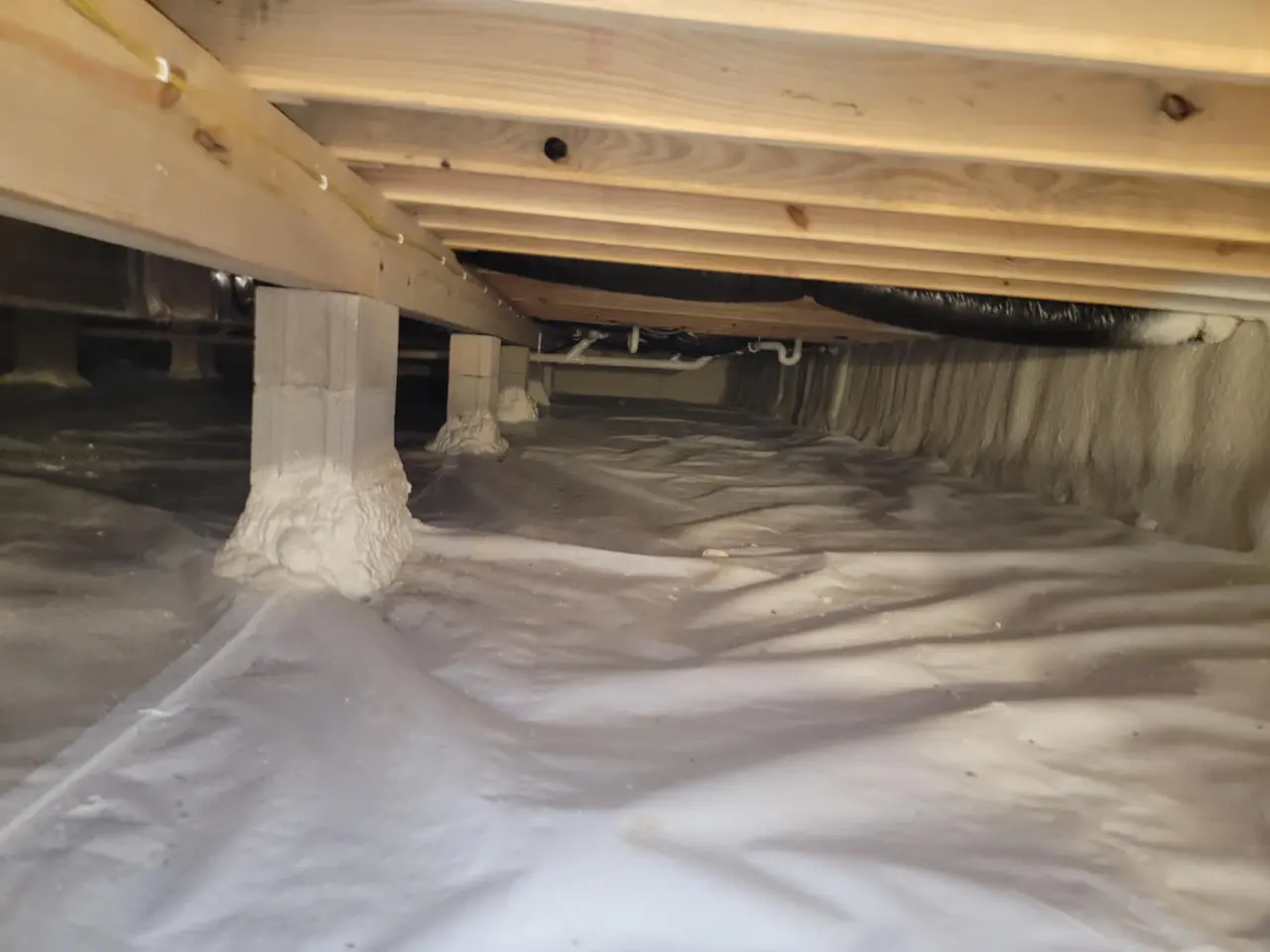
Our team removed debris, sanitized the area, installed a vapor barrier, and applied closed-cell spray foam to the walls and rim joists. The result?
✅ Better indoor air quality
✅ Lower energy bills
✅ No more moisture issues
Want to see it for yourself? [Insert project photos or link to case study blog here.]
Don’t Wait for Crawl Space Problems to Get Worse
The longer your crawl space goes without insulation, the more expensive the damage becomes. At Insulation Hub, we specialize in crawl space insulation and encapsulation solutions that fix problems at the source.
We offer:
- Free crawl space evaluations
- Spray foam and vapor barrier installations
- Insulation removal and replacement
- Solutions tailored to Indiana and Ohio climates
Ready to Fix Your Crawl Space?
Let’s protect your home from the bottom up. Contact Insulation Hub today to schedule a crawl space inspection and get a free quote.